
Janardhan Nanjundan, (a Badaga from Thudhalai, is an indigenous researcher, with a background in Sociology, Anthropology, linguistic and demographics) writes
Anthropologist Davey counters theory of Badaga migration
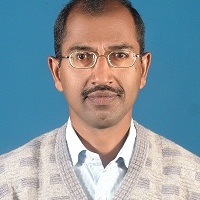
Anthropologist Gareth Davey, (a former colleague of Paul Hockings) who is currently in Ho Chi Minh City, Vietnam, has said in a recent email to Dharmalingam Venugopal of NDC (Yukesh Saravanan, from Kannerimukku and a Software Engineer based at Bangalore, confirms this), that there is nothing wrong in changing anthropological conclusions based on new evidence.
Prof Davey was the first to categorically discard the notion of Badaga’s migration from Mysore in this 2018 book, ‘Quality of Life and Well Being in an Indian Ethnic Community: The Case of Badagas”. Describing the migration theory as a ‘myth’ or a ‘fairy tale’, he concluded that ‘Badagas have been misrepresented in the literature with a migrant identity. In summary, separation of Badagas from other people based on history and migration seems unfounded’.
Davey reviewed all the literature written about the Badagas over the past 200 years and raised a simple, basic question, ‘Where is the evidence to show Badagas migrated from Karnataka?’. The hundreds of books written till then had only one evidence, namely, ‘some Badagas told they came from Mysore’. Who were they? On what basis they said that? Did they show any evidence? Nothing was known.
The problem, according to Prof. Davey, is that all these scholars seemed to have made up their mind about Badaga migration even before studying or researching the Badagas.
Grammatical homogeneity of Badagu and the language of Kotas, Kurumbas and Todas might indicate they have always resided in the Nilgiri hills. Also genetic studies show Badagas share similarities with other indigenous people of Nilgiris.
On the current controversy concerning the Badaga migration, Prof Davey stated that, ‘One point about research is that weak conclusions or errors may unintentionally arise by people with good intentions, but they are soon corrected when researchers later examine their own and each other’s findings and conclusions critically and with new perspectives. There is nothing with being criticized or changing a viewpoint or admitting to being wrong. Indeed, this would be more convincing to me (i.e., shelving the migration idea altogether) than trying to fit earlier conclusions based on flimsy evidence into a new narrative’.
Discover more from Badagas of the Blue Mountains
Subscribe to get the latest posts sent to your email.




 Mookuthi
  Chinna




 ==
==





 Badagas of the Blue Mountains