Paying Homage to Rao Bahadur HB Ari Gowder on the 55th death Anniversary !

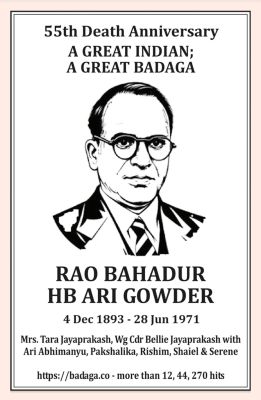
In the News Papers
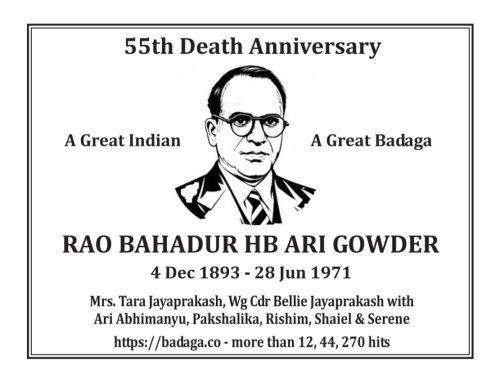


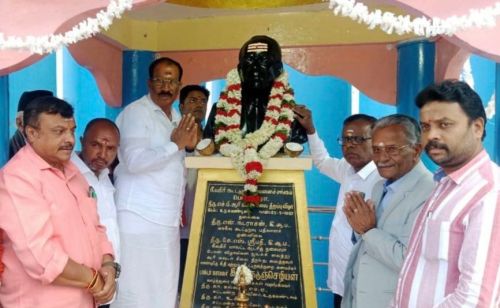
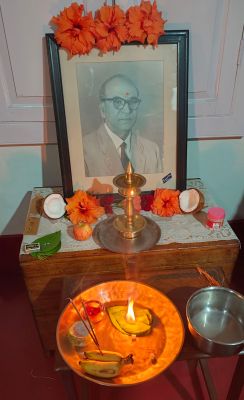


In the News Papers
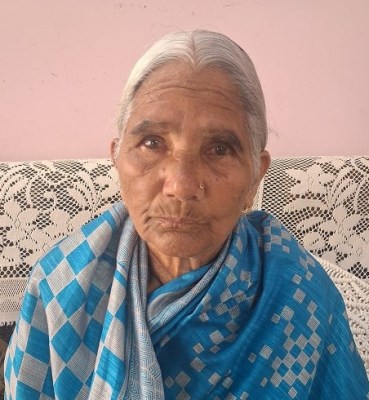
Deva Hennu
Deva Hennu, Devaru Kotta Bala
Nanjaiyya Rama, Nundhuva
தேவெண்ணுந தேவரு கொட்ட பல
– நஞ்ஜய்ய ராம, நுந்துவ
முந்தநவக்க, எடெயோ அடுவவெ எல்லாவ உந்தி தள்ளீண்டு ஓப்பநெங்கெ பப்ப அள்ளவ ’உந்துவ’ எந்து எசரு பீத்திதாரெ. இந்தெ, அத்தவ அள்ள பப்ப எடெயவு உந்துவ எந்து ஏகி பந்துதாரெ. உந்துவ எம்பது இந்தாடு ’நுந்துவ’ எந்து ஆகிட்டு அடதெ. எந்தலெ நுந்துவநொ அடுவ ஆக்கடெ ஈக்கடெ பெட்டுநோ ஊவ மே நீரு எல்லா ஆசக ஒந்து பெசெயோகெத்தா பந்தர. இத்தெ மாக்கெ உந்தி தள்ளீண்டு ஓப்பநெங்கெ பப்ப அள்ளவ தமிளுநோ ’உந்தி’ எந்து ஏகியார. உந்தி எம்பது, எரடு சாவிரபருசகு முந்தெ அட்ட குறுந்தொகை எம்ப இலக்கியதோ பந்தடதெ. [உந்தி : வெள்ளம், ஆறு (குறுந்.361:3) ; எதிர்பட்ட பொருள்களை உந்திச் செல்வதால் ஆறு அல்லது வெள்ளம் இப்பெயர் பெற்றுள்ளது.] இத்தெ உந்துவ அள்ள பப்ப ஏணுதோகெத்தா ஹெத்தெ கேரு அடதெ. ஆ எத்தெ கேரு நுந்துவ அட்டிக எப்பாயிலு மாக்கெ அட்டிக முந்தாடே அடதெ.
ஒலகக ஒள்ளித்த தந்து பப்ப ஈர மாசி ஹெத்தெ உட்டித அட்டி நுந்துவ. நாக்கு பெட்டதொ, ஜெநக ஒந்து லெக்க நுந்துவக எசரு எத்தூண்டு அடதெ. ஹெத்தெய கேந மாடி பப்பதுக ஜெநக ஒந்து லெக்க நுந்துவ அட்டி காரரு எடெமாடி பந்தூண்டு இத்0தாரெ. எத்தெ ஆலெயு ஹெத்தெய நெலெ நுந்துவநொ அடதெ. அத்தெ ஆததெந்த நுந்துவ அட்டி மண்ணுக ஆசக ஒந்து பெருமெ. ஹெத்தெ உட்டித அட்டிய எசர கேத்தலெ ஒந்து புண்ணிய. நுந்துவ அட்டிய மெட்டிலெ ஒந்து புண்ணிய. நுந்துவ அட்டியொ உட்டிலெ ஒந்து புண்ணிய. நுந்துவநொ உட்டித ஹெத்தெய கேந மாடி பந்தலெ கோடி புண்ணிய.
புண்ணிய தும்பித நுந்துவ ஹெட்டியொ சொயிக்க நஞ்ஜய்ய எம்ப அய்யநவக்க ஒப்ப இத்தரு. ஆ நஞ்ஜய்ய மஞ்ஜூரூந்த மிச்சி எம்பவக்கர மதுவெ மாடி 0பந்தரு. அவக்கக ஆல, போசு குண்ட, தேவெண்ணு எம்ப மூரு குந்நவெ. தொட்0ட அண்ண ஆல பள்ளி கத்து பாத்தியாரு கெலச மாடிதரு. போசு குண்ட அண்ணநவக்கரு பள்ளி கத்து அரமநெ (அரசாங்க) கெலசக ஓதரு.
தேவெண்ணு அக்கநு பள்ளிகூட்டுக ஓகி ஒள்ளங்கெ பள்ளி கத்து பந்தரு. குந்ந ஜெநாந்த இவக்க சாரெ பேரெயவக்கர சாரெ இல்லாத தெரமெ அட்டத்து. தேவரு தநக ஆசக ஒந்து கலிக்கெ கொட்டித்தாரெ. பள்ளீட்டுதோகெ ஒள்ளங்கெ பாடவ ஓதி பந்த. தேவெண்ணு அக்கநவக்க ஆசக ஒந்து பசந்தாகி உட்டிதாரெ. தந்ந பசந்த நோடி கெக்கட்டி அட்டியொ இத்த ஜோகி எம்ப மம்மநவக்க எண்ணு கேப்பதுக பந்தரு. அவக்க அரவங்காடு மத்து (வெடிமருந்து) பாக்டரியோ கெலச மாடி 0பந்தரு. ஆ காலதொ நங்கவக்க ஏகிதாரெ ”ஆரு காசுந சம்புவ ஆலெயு அரெமநெய கெலச” எந்து. பந்த எடெக இல்லெ எந்ந பேடா எந்துட்டு நங்க நஞ்ஜய்யநவக்க பள்ளீட்டு கத்தூண்டு இத்த தேவெண்ணு அக்கந கெக்கட்டி ஜோகி மம்மக மதுவெ கேகி புட்டரு.
தேவெண்ணு அக்கநவக்க சாரெ ஒள்ளிய ராக அடதெ. அத்தெ அடுவநெ குந்ந ஜெந எந்தவே ஒள்ளங்கெ கதெ ஏகியார. குடியோ ஏகுவ சோமி கதெ, நாடங்கெ கதெ, சாவுநொ ஏகுவ துக்க கதெ, கோலாட்ட கதெ, ஒக்கலிக்குவநெ ஏகுவ கதெ, இட்டெ ஊவநெ ஏகுவ கதெ, கஞ்ஜெ சச்சுவநெ ஏகுவ கதெ எந்து எல்லாவ ஒள்ளிய ராகதொ ஏகியார. ஏகுவவோ குந்ந ஜெநதொ ஓருட்ட கதெ, பாமெ எல்லாவ இந்நூ கேந புடாதெ பீத்துண்டு இத்0தாரெ. ஏசக கதெ? ஏசக பாமெ? ஏசக ராக? அவ்வே! அவெ எல்லாக லெக்காச்சார ஏநூ இல்லெ. இவெ எல்லாவ இந்நூ கேந புடாதெ பீத்தூண்டு இத்தாரெ. அத்தெ அடுவநெ இது பேரெ ஏநூ அல்ல. இது, தேவெண்ணு அவக்கக தேவரு கொட்ட ஒந்து பல அல்லதெ பேரெ ஏந?
அத்தெ அடுவநெத்தா நங்க தேவெண்ணு அக்கந ஒத்தேகெ, செந்நெ எந்து இத்தெ மாக்கெ எடெ எல்லாதோகெ அடுவ டி.வி. ஸ்டேஷநுக கொரசி ஓகிதாரெ. அல்லி எல்லா ஓகி தந்ந சாரெ அடுவ தேவரு கொட்ட பலவ தோரி 0பந்துதாரெ. இவக்க இத்தெ ஒராசுந எடெக ஓகி கதெ ஏகிதது எந்த நுந்துவநவக்க, கெக்கட்டி யவக்க, ஆக்கடெ ஈக்கடெ அட்டியோ இப்பவக்க அல்லாதெ நாக்கு பெட்டநவக்கவு இந்தெ பேரெ ஆ எல்லாவு தந்ந கதெய கேப்பதுக முடிதத்து. இவக்கர கதெகோவ கேப்பவக்க எல்லா இவக்க ஒள்ளிய ராகதோகெ கதெ ஏகுவதுந நோடி இவக்கர மெச்சாதெ இரார்ரு. எந்தலெ இவக்கர தநி அத்தவ ஒந்து சிங்கரவாத தநி, இவக்க ஏகுவ கதெகோவு ஒள்ளிய கதெகோ. அத்தெ அட்டது எந்த இவக்கர கதெகோவ ஒந்து திருக்கு கேப்பவக்க எல்லாகு இந்நூ கேப்பநா எம்ப ஆசெ பந்தர.
தேவெண்ணு அவக்கர கண்டு அவக்கர கதெகோவ பரவது எந்து எங்க அப்பர காலாந்த கணாந்தூண்டு இத்தியோ. அதுக இந்ந கெட்ட ஒரு சரியாந ஜாம சிக்குலெ. ஈ பருச தேவரு அதுக ஒந்து ஜாமவ தோரித்து.
’நெலிகோலு அறக்கட்டளெயோ’ இந்நகெட்ட எங்க அதிமூரு பொக்கு ஆக்கிதெயோ. படகரு மாத்து, பண்பாடு, அப்ப ஆடி, அய்ய ஹெத்தெ, ஒள்ளித்து ஒல்ல எம்பவெ எல்லாவ பரெது பீப்பது எந்து ஈ கெலசவ மாடீண்டு பந்நநியொ. கீயெ கவ்வட்டி டாக்டர் ஆலுதொரெ எம்பவக்க ஒந்து ஒள்ளிய பரெகாரரு. அவக்கக தேவரு ஒள்ளங்கெ பரவ தெரமெய கொட்டுதாரெ. அவக்கரு கஷ்ட நஷ்ட நோடாதெ அகலு இரு எந்நாதே ஏகூ ஈ கெலசவ மாடி பந்தூண்டு இத்தாரெ. எங்க பரெவ பொக்குகோவ பெவர அரிப தொட்டவக்க குந்நவக்க எல்லாவ கண்டு அவக்க ஏகுவதுந கேத்துத்தா பரெது பந்நநியொ.
ஈ திருகு ’படகர்’ (BADAGAR) எம்ப ஒந்து பொக்க பரெதிதியோ. அதுந ஜூலை 3 ஆந் தேதியோ (03-07-2016) ஒத்தேகெயொ அடுவ YBA மண்டபதோ ஒந்து ஒசகெ பீத்து எல்லா அதுந நோடுவநெ எங்கெ ஒராசு புட்டியொ. ஆ பொக்கு ஒராசு புடுவ ஒசகெக கெக்கட்டி தருமந எண்டரு சரோஜநவக்க தேவெண்ணுந கூட்டி பந்தரு. ஆ ஒசகெ முடித மேலெ தேவெண்ணு ’கோலி திப்பெ’ பாமெய அத்தெ ஒந்து ஒள்ளங்கெ ஏகிதரு. அதுக எரடு மூரு கதெகோவு ஏகிதரு. அவக்க ஏகிததுந எங்க பரெது புட்டியோ. அது அத்தெ ஒந்து ஒள்ளங்கெ அடதெ. தேவெண்ணுநவக்க கோலி திப்பெ பாமெ ஏகி பப்பநெ அல்லி இத்த எங்க எல்லாக கண்ண நீரு பந்து புட்ட. அது நங்க மநச இகப்பநெங்கெ அடுவ அத்தவ ஒந்து ஒள்ளிய பாமெ. அதே மாக்கெ உடுகு ஜோகி நாடங்கெயவு ஏகிதரு.
இத்தெ மாக்கெ நங்க கொலவ பத்தி அரிதிப்0பவக்க ஏசகோ ஆ இத்தாரெ. அவக்கர அரிசி காம்பதுகத்தா கஷ்ட. இதுந நோடுவவக்க, தங்க அரத பெவர அரிதிப்பவக்கவ எங்கக தோரிசிவி. நிங்க அரப ஜோலிகோ, குந்நது ஆலெயு புடாதெ ஏகிவி. ’நெலிகோலு அறக்கட்டளை’ மாடுவ கெலச எல்லா ஒந்துகூடி மாடுவ ஒந்து தொட்ட கெலச. அத்தெ அட்டது எந்த நிங்க எல்லா ஈ கெலசக ஒத்தாசெ தப்பது எந்து கேத்தூண்டு இத்தெயொ.
ஒந்து சேபோ, ஒள்ளித்து மாடுவோ
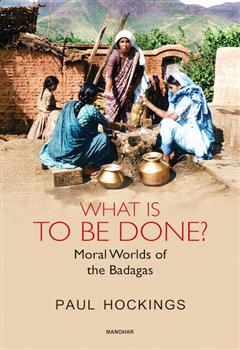

What is to be Done? explores a subject not usually examined in social anthropology namely – the moral choices that members of a community make as they go about their daily lives. Rather than seeking this information from what selected key informants among the Badagas have to say about the matter, Dr Hockings analyzes the contents of a vast collection of their proverbs, along with a few prayers. He sees these two sources as traditional advice on what Badagas should do or not do in various personal circumstances. An earlier collection of their proverbs, made in the 1850s by a German, reveals how little this advice has changed in modern times. Dr Hockings shows how moral values can be categorised, some of them being very broad, like anger or industriousness, while others relate to quite specific objects, like ploughs and salt. Personal behaviour is conditioned by directives like taboos, rules of etiquette, time-honoured customs, even blessings and curses. The final chapter of the book looks at the lifestyle of well-to-do professional Badagas working in big cities. This raises questions about urban behaviour in the future, indeed whether the Badaga language will survive into the distant future.
About the Author
Paul Hockings is a British anthropologist and Professor Emeritus of Anthropology at the University of Illinois. He has studied anthropology, archaeology and linguistics at the universities of Sydney, Toronto, Chicago, Stanford and California (Berkeley).
Among his two dozen books are fourteen on the Nilgiri area in south India, most of them dealing with the Badaga community.
This book can be ordered online – https://www.manoharbooks.com/BookDetails/219487/What-is-to-be-Done-Moral-Worlds-of-the-Badagas
Posted in badaga
Dr. Supriya is from KIL THORIHATTI, daughter of Raman Subramani and Padmavathi. She is a Lecturer in Bioethics, Faculty of Medicine and Health at the University of Sydney, Australia. She is M A., Ph.D and her bio reads very interesting (https://profiles.sydney.edu.au/supriya.subramani ). Badagas are spread all around the globe and in in many specialised fields and subjects. She is an inspiration and motivation to Badagas in general and women in particular,
We are proud of you, Supriya – Wg Cdr JP
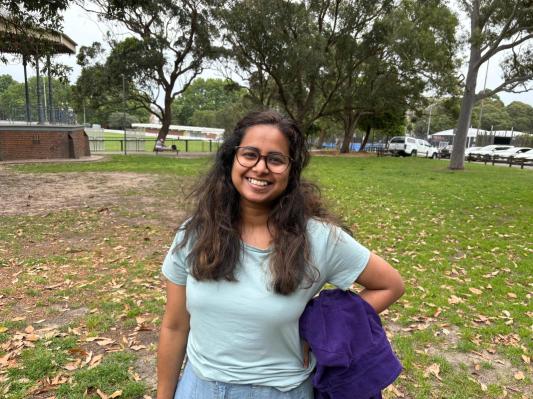
Supriya Subramani grew up in Kadabagere and did her schooling in rural Bangalore. She later completed her master’s in Rajiv Ghandi National Institute of Youth Development and doctoral studies in IIT Madras. Her life and work have been shaped by many experiences, including growing up through phases of poverty, living within patriarchal norms, facing discrimination, and carrying her Indigenous Badaga identity.
Supriya is deeply curious about how people think, feel, act, and make sense of life. Her work asks important questions: What does it mean to be treated with respect? How do people feel when they are humiliated or ignored? How do we build relationships, communities, and belonging? How do injustice and discrimination shape how we see ourselves and others?
Currently, she is a Lecturer/Asst Professor in Ethics and Critical Theory at Sydney Health Ethics, School of Public Health, University of Sydney, Australia. Her research focuses on moral emotions, interpersonal relationships, self-respect, respect for others, othering, and belonging. She uses critical philosophical, ethnographic, and phenomenological approaches to understand people’s lived experiences, especially in health, illness, migration, chronic pain, and community life.
Many people, cultures, and communities have already shown us different ways of seeing, knowing, and living in the world. Her first book, Passive Patient Culture in India: Disrespect in Law and Medicine, looks at how patients in India are often expected to remain passive in medical and legal spaces. The book explores how disrespect becomes normalised, especially for people who are already marginalised by caste, class, gender, poverty, and other social structures. The book has received recognition from scholars across different disciplines. But at its heart, it speaks about dignity, self-respect, and the need to challenge cultures of silence and disrespect.
Across her research, teaching, writing, and community conversations, Supriya is trying her best to learn, unlearn, and relearn. She hopes her work can contribute, to a world with more courage, respect, and belonging.
In her current work, Supriya is working with communities in the Nilgiris to understand their perspectives on health and the intersections of structural injustice. This work continues her commitment to listening carefully to people’s lived experiences and learning from community knowledge.
AWARDS & Fellowships
March-April 2026: Tema T Fellowship, Linköping University, Sweden
Dec 2025: Dean’s Citations for Teaching Excellence, Faculty of Medicine and Health, University of Sydney
Sep 2025: SHI Mildred Blaxter New Writer’s Prize
March 2025: Fellow of the Higher Education Academy (FHEA). Awarded in recognition of attainment against the UK Professional Standards Framework (UKPSF) for teaching and learning support in higher education.
Feb-March 2023: Writing Residency Fellowship at the Brocher Foundation, Geneva
Sep 2020 – March 2021/Aug- Dec 2022: Stehr-Boldt Fellowship Award, University of Zurich
2019 – 2020: Swiss Government Excellence Post-Doctoral Scholarship, Switzerland
July 2019: Asian Bioethics Review Young Scholar Award, National University of Singapore (NUS) and Springer Nature
2019: Institute Research Award for Best Doctoral Thesis, Indian Institute of Technology Madras, Chennai
2015 – 2018: Senior Research Fellowship, University Grants Commission (UGC),India
Sept – Nov 2016: Junior Research Fellowship, Centre for Advanced Study inBioethics, University of Munster, Germany (Project funded by German Research Foundation, DAAD project)
May – Jun 2015 Junior Research Fellowship, Centre for Advanced Study in Bioethics, University of Munster, Germany (Project funded by German Research Foundation, DAAD project)
2013 – 2015 Junior Research Fellowship, University Grants Commission (UGC), India
2012 First Rank Holder, M.A., Rajiv Gandhi National Institute of Youth Development, Sriperumbudur, India
2010 – 2012 Merit Scholarship awarded by Rajiv Gandhi National Institute of Youth Development, Sriperumbudur, India
For more details about her work, visit: https://profiles.sydney.edu.au/supriya.subramani or www.supriyasubramani.com
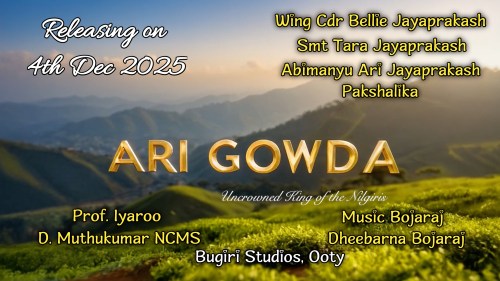
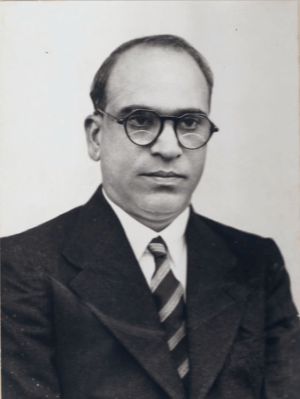
Documentary on Rao Bahadur H B Ari Gowder released on 4th December, 2025
Pip: There are mountains, and then there are the Nilgiris — where the Badaga community has been keeping records, honoring ancestors, and occasionally making the rest of us look underprepared for our own history.
Mara: This episode, from Wg Cdr Bellie Jayaprakash, centers on one of those acts of honoring — a tribute to a figure whose life shaped the community in ways worth sitting with.
Pip: Let’s start with the man himself.
Mara: The question this post puts in front of us is a simple but serious one: how do you mark a hundred and thirty-two years since someone was born, and make it feel like more than a date on a calendar?
Pip: The post answers that directly. The introduction frames it as a point of collective pride — “We feel extremely proud to present the following documentary on the life of Rao Bahadur H B Ari Gowder on this 132nd Birth Anniversary.”
Mara: That framing matters. This isn’t a dry archival note — it’s a community presenting something it made, about someone it considers worth the effort of a documentary. The pride in that sentence is doing real work.
Pip: A documentary is a particular kind of tribute. It means someone gathered footage, or photographs, or testimony — assembled a life into something watchable. That’s a significant act of preservation for any community’s history.
Mara: And the title “Rao Bahadur” is itself a signal. That was a formal honorific granted under British administration in India, typically for distinguished public service. Ari Gowder carrying that title tells you something about the scale of his standing — both within the Badaga community and in the wider civic context of his era.
Pip: So you have a man who earned formal recognition from the colonial administration, being honored a century and a third later by his own community, on film. That’s a long arc of regard.
Mara: The documentary is linked directly in the post — it’s the centerpiece, not a footnote. The written introduction is brief, but it’s clearly designed to hand the reader straight to the film.
Pip: Which is the right call, honestly. Some stories are better watched than summarized.
Mara: The Nilgiris have a way of producing figures whose lives carry that kind of weight — and the work of recording them is how communities stay legible to themselves across generations.
Pip: A hundred and thirty-two years, and someone still made the documentary.
Mara: That’s the thread worth following — how a community keeps its own record. More from the Blue Mountains next time.
Posted in badaga
Harshad Riyan – More Than Just Speed
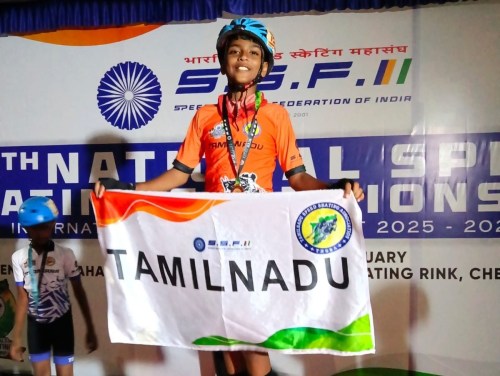
At an age when most children are still discovering their interests, Harshad Riyan has already discovered his purpose—and he’s chasing it at full speed.
What began as a simple passion for skating has turned into a journey of grit and discipline. With over 92 medals and 8 championship titles, Riyan has built a record that reflects not just talent, but consistency and hard work.
Riyan’s rise has been steady and well-earned—first becoming the State Champion of Tamil Nadu, and now achieving a major milestone as the National Champion in the Under-12 category.
Today, Riyan stands on the edge of a bigger dream. He has been selected to represent Team India at an international championship in Indonesia, stepping onto a global stage where the competition is tougher and the stakes are higher. But beyond the medals and titles lies something more powerful—a young athlete learning resilience, discipline, and the courage to keep going. Riyan’s journey is a reminder that greatness doesn’t happen overnight; it is built through small, consistent efforts every single day.
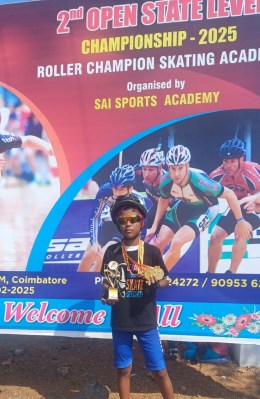
(Harshad Riyan is the son of Yogitha and grandson of Late H B Ramamoorthy of Peria Hubbathalai. Ramamoorthy was my eldest brother. Yogitha brought Riyan as a single mom. YOGI is the Founder and Creative Director of FaYo and a renowned Saree Designer. See Yogitha’s FB & Insta profilesYogitha Ramamoorthy – FaYo | LinkedIn – Wg Cdr JP)
Posted in badaga
(in an email dt 22 Dec 2025)
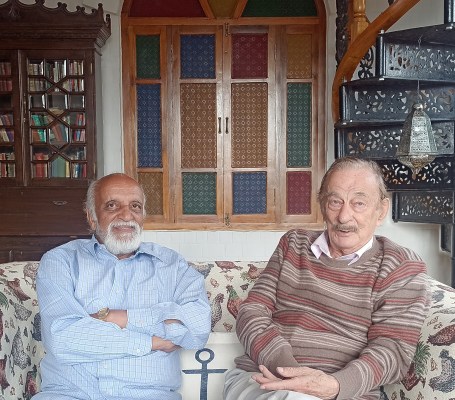
In recent years I have heard from various people that there is nowadays a groundswell of belief, at least among some Badagas, that their distant ancestors did not originate in southern Mysore several centuries ago. As those people were non-literate until the middle of the 19th century there is little historical documentation to rely on, although the visiting Italian priest, Father G. Fenicio, did meet with Badagas in Melkunda in 1603, and they told him through an interpreter that they had come from Mysore to the north.
This is essentially what modern anthropologists have learned too, and before them there were about twenty writers in the 19th century who were also told by Badagas about an origin in southern Mysore. One cannot argue that every single one of those people was totally misinformed in this matter — especially when there was no good reason to mislead them.
So let me attempt to set the record straight. I must admit at the outset that, so far as my own investigations have gone, although there are today about 400 hattis inhabited by Badagas, I have only interviewed people in eighty of them. So what I can report here only reflects the memories of numerous elders in those eighty villages — and most of my data were collected some fifty years ago.
From their comments I learned that Ekkōṇi was settled from Kavaspāḍi or Sanjanagiri Math, in Karnataka; Ebbunāḍu was settled from Hosahaḷḷi, or else Urigaddige, both in Karnataka; Kaḍanāḍu was settled from Kakkadur-Karahaḷḷi in Karnataka; Kukal was settled from Gundalupete; Jakkatala was settled from Jakkalli; Cinna Kunnur and Keti andPūsekunnūr were all settled from Kongahalli; the former villages of Tudur, an ur in Mekunadu that was abandoned long ago, were settled from Accalli; Tudeguli was settled from Agasvadi;Nanjenāḍu was settled from Sanjanagiri Math in Karnataka; NunduaandKiyuru were settled from Urigaddige, in Karnataka; Mēlūr was settled from Urigaddige or Beḷḷādi; Suḷḷigūḍu was settled from Saragūru, in Karnataka; Sōlūru was settled from Sūḷūr in Karnataka; Hulikal wassettled from Honnahalḷi in Karnataka; Honnatale wassettled from Honnahaḷi in Karnataka; and some other Badagas claimed to have migrated from a village called Kāruḷūr, near Kaṇṇambāḍi, located about 15 km northwest of Mysore City.
Some Odeyas say they came from the Lingayat monastery at Hangala. Adikaris came from Mallikalli, near Nanjangud. Haruvas originated in Hosahalli-Girubetta. Another small Badaga group, the Kaggusis, originated in Tagadur or Hasanur. As for the large Badaga Gauda phratry, at least some of them came from Talemale. An exception is the small group of Badagas called Kongaru, as they came up from the plains of Kongunad to the southeast. I repeat that there is no reason to believe that Badaga elders who spoke about this matter made all these facts up to amuse outside enquirers.
(I strongly beleive that Badagas, as an indegeous community, existed many thousand years ago, along with/or much before other tribes like Todas, Kothas and Kurumas. Though, I concede, some sects/groups/villages, could have joined the original Badaga setters much later. For example Odaiyas/Lingaites/Thoraiyas. Odeyas and Thoraiyas are still not fully integrated with the main stream, so called Badaga Gowdas, by way of marriages, participation in funerals and celebrations of many customs/traditions associated with habbas (festivals).
But for Prof. Paul Hockings (some) views, with which we may not agree, on the origin of Badagas, as he has explained/clarified above, full credit should be given to him for telling the world about the Badagas with his deep and extensive research on them for well over sevaral decades. Along with Christiane Pilot Raichur, his writings and books on Badaga language, have been very well received. Especially, their book on ‘Badaga English dictionary along with Badaga Proverbs’, is a treasure to behold.
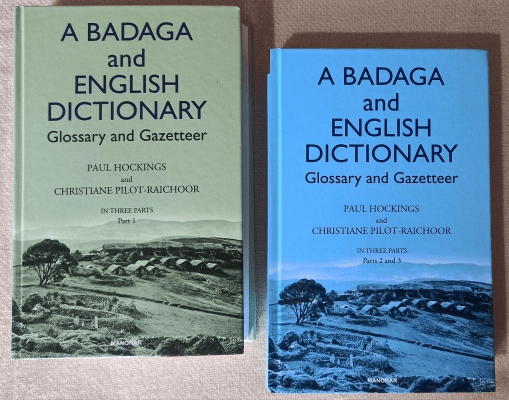
It is a matter of great regret that certain Badagas targetted him for his view about some ancestors marrying non Badaga ladies, during his last visit to the Nilgiris, a couple of years back. They went to the extent of complaining to the police and literally forced him to return back to USA. – Wg Cdr Bellie Jayaprakash)

Posted in badaga
Rao bahadur H B Ari Gowder
(04 – 12 – 1893 — 28 Jun 1971)
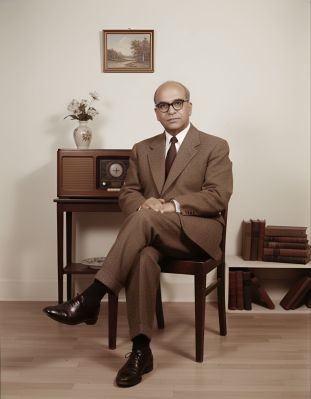
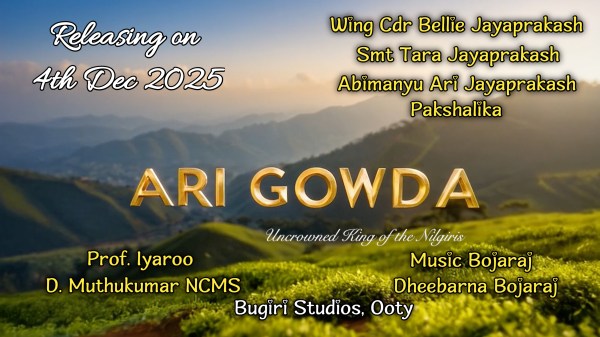
We pay our homage and respects to this great Badaga leader
and uncrowned King of the Nilgiris
Must visit these pages
Posted in badaga

TRIBAL STATUS OF THE BADAGAS – Dr.R.Haldorai
Anthropological study is the basis for considering scheduled (hill) tribe. So, it is considered as
a relevant document in this regard. Anthropologists examine the cultural aspects, traditional
vocations and customs for considering the tribal status. Badagas of the Nilgiri hills have lived long in
isolation in that plateau. As the hill is the home land for these people for a long period, the hill tribe
status for these people is obviously natural one. There is no doubt that their history goes back to
very early period. There is reason to suppose that they are part of a wave immigration that swept
them into South India before Christ1. Since then, they are identified with the Nilgiri hills alone. Their
origin is buried among the secrets of the past.
“A tribe, as we find in India is a collection of families or group of families, bearing a common
name, which, as a rule does not denote any specific occupation, generally claiming common descent
from a mythical or historical ancestor and occasionally from an animal, but in some parts of the
country held together rather by the obligations of blood-feud than by the tradition of kinship,
usually speaking the same language, and occupying, or claiming to occupy, a definite tract of
country. A tribe is not necessarily endogamous” (The Imperial Gazetteer of India vol-1: 308).
“The use of the word ‘tribal’ follows South Asian usage, refers to a type of societal organization
and does not imply a lack of sophistication or of economic well- being. It usually does imply a certain
amount of isolation in the past, if not the present. In this context ‘tribal’ contrasts with ‘caste’ as one
of the major organizing principles of South Asian society. The Nilgiri plateau of extreme Western
Tamil Nadu was almost totally isolated until the nineteenth century. It developed unique cultural
complex of its own with at least four Dravidian languages spoken there. They are Toda, Kota, Badaga
and Irula” (McAlpin 1981 :19) 2 .
Tribe versus Caste
“Today we find no castes in Badaga society” (Hockings, Paul 2005:4) 3 .
Badagas were not under the influence of caste system in any part of their history. In caste
system a person’s social status was determined by his occupation. Although caste depended upon a
person’s occupation it became hereditary in due course. So, it is inevitable to a person to live with an
unalterable particular social status throughout his life. The traditional association between caste
and occupation is far from dissolution. Badagas apparently changed their occupations to suit the
environment. They never developed intrinsic bond with any particular occupation. It is to be noted
that the very name Badaga itself is not derived from any occupation 4 . In India, most of the caste
names are derived from occupations. Badagas major occupations were food gathering, honey
collecting, hunting, buffalo rearing, millet cultivation (that too swift cultivation for some time), cash
crop cultivation, etc., Among these a particular occupation was predominant at a particular time.
And also, all the sub groups of Badaga community engaged the same occupation. In Badaga society
the clans are created not by their profession and they are by birth.
Badaga population was very small up to the beginning of the twentieth century and they
spread over the entire Nilgiri plateau. In that case, for a long period there were very few families in a
haTTi (hamlet) 5 and all the families were descended from a same forefather. So, there was a social
compulsion to venture occupations in common. The origin of the caste system in India is shrouded, but it seems, it originated some two thousand years ago. Caste system is associated with religion
and people were categorized by their occupations. Badagas’ religious beliefs were primitive in
nature, so, the religious side of their social organisation was lacking to originate caste system
jaati (caste) is used in India specifies a subdivision of a larger division varna (a concept based
on colour or race). The varna concept is entirely unknown to Badagas. To uphold caste system the
reincarnation belief played a major role. According to that belief after each life a soul reborn into a
new material form. Badagas’ inclination towards ancestor worship is so strong. They do not have
belief in the past and future births and do not have any idea about karma theory. One of the
religious beliefs of Badagas is that all the dead are there in a particular place near mallaaDu, a
western part of the Nilgiris, in astral bodies and the person who is going to die will join with them 6 .
Unlike the varna system divorce and widow remarriage are prevalent among Badagas.
Badagas do not suffer from any stigma of the kind the depressed castes do.
Egalitarian society
Tribals usually constitute egalitarian societies. The Badagas held the individual in high
respect. The names they christened to their children (e.g. booja = friend; gilla = man having stick in
hand, a respectable; kuNDa = strong man; beLLa = pure hearted man; panne = beautiful woman;
gavuDa = village chief, etc.) indicate the attention given to the individual. Likewise, their respect for
individual is evident in their treatment of the dead. They were buried individually in the earliest
days, under mound. The society was not held together by a king or an employer. Individuals had
their roles as warrior, protector, priests and artisans. Where there was crisis, the people gathered in
an assembly and took decision. The society was governed by the people themselves. During their
agricultural vocational period, that is during the last one and half centuries the families had mostly
the equal share of property. Then the gap between rich and poor was very narrow. They had even
common buffalo shed called ‘tho’ (kraal) and at times they had taken buffalo grazing as a common
venture. They constitute a near egalitarian society at most part of their dwell at Nilgiri hills.
Occupation
Badagas are professing agriculture since the second half of 19th century, that too up to
middle of 20th century they were millet cultivators. Anyhow, once their occupations were buffalo
rearing, hunting and food gathering. These occupations were there along with their agriculture up to
the middle of last century. Once ganje (barley), korali (Italian millet), saame (little millet), eragi
(finger millet), etc., were the popular and staple food grains among Badaga people. Popular kinds of
bread were pottiTTu (wheat dosai) and tuppadiTTu (confectionery). They were made with wheat
flour. Their food is simple and whole some. Culturally, once most of the Badaga families were living a
nomadic life in Nilgiri plateau. They had no permanent settlement. They lived in thatched sheds
called hullumane (hut). They never think of using buffaloes for meat. Nor did they traditionally sell
their milk. It was given away free to poor members of the community. Selling milk is like selling their
own prestige. The only commercial product of milk was the butter. They sacrificed he-buffalo on
certain festivals and funeral of males. The she-buffaloes were considered one’s capital and they
never think of their sale. On some occasions men move from their families with their buffaloes for
better grazing. Badaga tribe is definitely a territorial group. The Nilgiri is the territory of Badagas and
emigrants always refer to it as their home.Badagas entertain a close relation with the Nilgiri tribes and they were economically interdependent.
Tribal council
The Badaga tribal council is so powerful and it exercises considerable control over the
community. Among Badagas the elementary unit of society is the mane (family). Children are
important part of mane and they are treated with kindness and indulgence irrespective of their sex.
Badagas have another wider unit called kuDumbu (consists of few families). Once production of food
was a corporate responsibility of the extended family and it was the function of mane to see that
food was economically used. Each kuDumbu has a doDDamane (a ceremonial house) which gets
importance during festivals, marriages, deaths, etc. All the disputes among the family members are
tried at kuDumbu assembly. Few such kuDumbus exist in a haTTi (hamlet). Each haTTi has a
doDDamane (ceremonial or principal house) and a ‘manda’ (council).
The village ‘manda’ (council) plays an important role in shaping the society with moral
standards. It is headed by a headman called ‘gavuDa’. Each village had its headman, who is assisted
by few elders and decided public matters such as disputes, differences, etc. The village ‘manda’ is
there as not mere council for deliberation, but acted as a strong organ of executive work. There are
three levels of headmanships viz., gottugaara (headman of an haTTi, hamlet), gavuNDikke (headman
of an uur, a larger area, mostly consists of few or more haTTies ), gavuDa (headman of a siime ).
These hierarchic levels show how the system is vogue vigorously and systematically. Unresolved
disputes at kuDumbu level come to the village assembly and then to uur and then to naakkubeTTa
(tribal assembly). The Badagas are divided in four naaDus or districts and are ruled by gavuDas,
tribal chiefs.
Religion
Badagas’ religion seems to have been one of the very primitive types, predominance with
ancestral worship. Badagas consider their ancestral houses as their temples. Special rites are
performed in their ancestral house twice or thrice a year. Any Badaga can act as a priest but among
the clan agnates. The essential features of ordination are abstained from meat eating for few days,
preparing himself for poojas like taking bath in stream, sleeping at temple, etc. Places of worship of
Badagas and nature co-existed beautifully. There are nearly no devotees on ordinary days. But on
the occasion of festivals which falls yearly once large numbers of devotees turn up. Their ancestor is
known as devva (corrupt form of deyvam). The festival of devva is also the harvest festival of
Badagas celebrated alike throughout the community. devva festival is a living tradition in which
almost everyone in the village participates making it a real social thread connecting the entire
society. devva still remains untouched and is performed year after year with unprecedented pomp
and splendour. Because of the universality, it is firmly rooted in the religious faith and tradition.
In Badaga tradition juvikiNDi (water jar), ele kannaaDi (bronze mirror), jegaNDe (victory bell)
represent the very deity itself and these articles get pooja once in a year that too on devva festival.
Except this festival days rest throughout the year these articles are kept in a hidden place at forest.
Goddess hette, a prominent deity, worshipped by the Badagas of Nilgiri hills, is in reality an
ancestor that has been deified. hette is a popular deity of local origin. There are fourteen known
Hhettes worshipped and numerous rites and ceremonies centring on propitiation of goddess Hette.
Badagas claim no divine origin for their religious beliefs. Their customs are mostly pragmatic
and relevant to their day-to-day life. Their marriage customs also do not reveal any supernatural
underpinnings. Badagas observe pollution and ritual purity in limited ways. The religious activities of
the Badagas are very limited. They themselves perform the rituals. For Badagas their tribe is sacred.
They believe in next world and they don’t have rebirth theory. For them the way to salvation is their
tribe. Badagas have remained comparatively free from vedic religious influence.
Clan
Badagas are scattered widely over the hills and their hamlets amount to nearly four hundred
in number. The whole people are closely connected by totemistic clans and intermarriages. The
Badagas are endogamous tribe divided into exogamous clans. The clans are correlated not only with
exogamy but also with totemism. Residences being patrilocal, the Badagas are patrilineal people.
Patrilineal descent (or agnate) is descending from an ancestor down through a series of male links.
Breach of the rule of clan exogamy is regarded as highly dangerous in so far as it entails disastrous
socio-religious consequences. Inheritance of property takes place only through the male line. Hence
the Badaga clans furnish a good example of social organization based on clans. Badagas have fifteen
totemism clans after animals or material objects. People of a clan are agnates and hettappa, a
common ancestor is the binder among a clan. The tribal scenario of India shows the prominent
example of the clans. In consonance with that Badaga maintains its own exogamous clans through
the ages. It is the exogamous character of a clan that makes it a distinctive group. Marriage is one of
the causes for kinship relation.
The existence of totemism in Badaga society on a large scale has been brought to notice in
recent years. Badaga society is broken up into a number of totemistic clans. Each clans bears the
name of animal [kastuuri (musk deer), aane (elephant), naaga (cobra), selandi (spider) ] or material
[beLLi (silver)] or natural objects [ maari (rain), kooveeri (river kaveri), maduva (honey)]. The
members of such a clan may not intermarry. In a peculiar way, in Badaga society the names of
geographical territories also came into being for identifying the clans. In consequence territory
determined names diminished the use of totemistic names. But in bottom line totemistic exogamy
prevailed on a fairly large scale and still in active operation. The American anthropologist Dr.Paul
Hockings and others pointed out their totemistic clans. The clans are exclusively patrilineal groups.
According to F.Metz (1864) the Badagas recognise eighteen classes, each of which has its
own peculiar characteristics. S.M.Natesa Sastri (1909) simplifies this into six septs. Paul Hockings
(1980) identifies sixteen totemic clans among Badagas. They are 1.sooriya kola, 2.sandira kola, 3.
baraTa kola, 4. brammma kola, 5. beLLi kola, 6.selandi kola, 7.kooveeru kola, 8. madure kola, 9.
kastuuri kola, 10. mallige kola, 11. anniya kola, 12.maari kola, 13.madave kola, 14. maaNikka kola,
15.naaga kola and 16. saamandi kola. Totem and exogamous divisions do co-exist and totem is
primary. It is obvious that the clans are the major criterion for identifying the Badaga groups and
their totemic identifications also once popular.
Culture
Badaga culture was evolved in the Nilgiri hills and mainly under the stimulus of the Dravidian
environment. Badagas had earned a reputation of being peace loving people as well as diligent
workers. The nature of their hospitality is praised whoever had a chance to contact them. The
hospitality of Badagas is unparalleled anywhere in India. Any family, however poor, will not allow you to leave without having at least a cup of tea. Prior to the advent of coffee and tea buttermilk
was offered to guests instantly.
Folk-culture is so strong in the Badaga land. There is an unrecorded vast folk culture found in
Badaga land. In fact, this is the real treasure of this simple people. The roots of Badaga culture lie in
its folklore. The fables of this peace-loving people are inspiring. The songs and dance are enchanting.
It has been a part of their lives unknowingly. The interesting part is, in Badaga dance that is not just
the audience who enjoy the show the participants did as well. Dancing and singing were considered
pastime for a tribal community. Badaga dance is in itself unique and interesting. Normally it falls into
a pattern 1-2-3 steps. And then, they have to move according to the co-dancers. The music too
represents the theme of rural life. The popular game among the Badagas was hagaru, in which one bats a ball with a bat and others run and catch.
Badaga funeral ceremony is complex. They consider performing the funeral of their kin,
especially of elders is most important one and they tried to perform the funerals in traditional order
with utmost care.
Badagas have their own lunar and solar time reckoning calendar7. They are using their own
instruments to measure grains 8 . Their food habits and recipes still hold distinctive character.
Badaga wedding is relatively simple with fewer rituals. As soon as bride enters to the
bridegroom’s house with a pot full of water, the wedding got over. In olden days even the garland
exchanging rituals between couple was not in vogue. As per their tradition, the wedding costume is
not grand. Simple white clothes are used for the wedding ceremony. Women have prime
importance in wedding ceremonies. The mother-in-law welcomes her daughter-in-law by offering
water for cleaning her feet. Dowry is unknown in Badaga marriage. They perform their own
traditional rituals on puberty, house warming, birth, etc.,
The un-sewn white garments worn by men and women vary widely from others and it stood
as fundamental ingredients of cultural ethos.
Their houses were uniform in nature with slopping tiled roofs, short wooden doors, mud
floors, open verandah with pials and two rooms (one is allotted for males and another is for females)
Badagas evolved from humble family background. As one of the primitive traits the shyness
of contact with the public at large is seen with them even today.
Badagas have their own tribal medicinal system.
Badagas have the system of patrilineal family descent. The lineage group is extended to
include all those to be related through common descent forms a clan. Badagas have the tradition of
naming their children with the names of their own grandparents. Due to this the proper names like
booja, beLLa, kuLLa, kaaDe, maasi, micci, etc., were so common among Badagas. In this way they
paved the way to know the names of their ancestors up to the very ancient times.
Language
Badagas have a distinctive language of their own and it belongs to the Dravidian family of
languages. The Badaga language is a dominant spoken language of the Nilgiri hills of Tamil Nadu.
Although Badaga language is considered as uncultivated because of its lack of writing system and literature, it fully serves the purpose of Badagas. Study of the Badaga language is important from the
point of view of the culture, habits and social attitudes of the Badagas. In Tamil Nadu, next to Tamils
Badagas are the second largest linguistic group who speak indigenous language of the state. Badagas
are unadulterated by outside influence for a long period. They retain many old and distinct features.
Due to this Badaga language preserves many words that are archaic in Dravidian languages. A careful
study of the Badaga words reveals to us much of the life and thought of the ancient Badagas.
Language is a powerful mode of transmission of cultures. So, the language factor is also a basic
factor for considering tribal status. Most of the tribes in India are bilinguals. But as an exception to
this Badagas were monolinguals comparatively for a longer period. Once lingua franca of the Nilgiris
plateau was Badaga and there was no major language within their reach. However, bilingualism is
seen with the present generation.
Foot-notes
Raghu Joghee from Yedapalli Hatti and is personally known to me. He is simple, humble but a great person. He is actively involved in promoting for Badaga Tribal status along with Ganesh Ramalingam. – Wg Cdr JP
Shared from http://www.behance.net
( KATTAE-HU / KURINJI / STROBILANTHES )
The village of Kattae-bettu, nestled in the Nilgiri Hills of Southern India, holds a name deeply intertwined with the natural world and the cultural heritage of the indigenous Badaga community.
The etymology of “Kattaebettu” is derived from “Kattae Hu Bettu,” a phrase that directly
references the unique and ephemeral Strobilanthes kunthiana flower, commonly known as Kurinji or Neelakurinji. This rare bloom, which blankets the hills in a vibrant purplish-blue hue once every twelve years, has profoundly influenced the Badaga people’s traditions, calendar, and sense of place.
The Kurinji Flower and its Significance
The Badaga community, an indigenous group primarily residing in the Nilgiri Hills, the Kurinji flower is more than just a beautiful plant; it is a significant marker of time and a symbol deeply embedded in their cultural fabric. The twelve-year flowering cycle of the Kurinji has historically served as a natural calendar for the Badagas, influencing their agricultural practices, social events, and even their oral traditions.The blooming of the Kurinji signifies a period of renewal and abundance, often associated with specific rituals and celebrations within the community.
Kattaebettu: A Name Rooted in Nature
The name “Kattaebettu” is a testament to this profound connection.”Kattae Hu Bettu” can be broken down to understand its meaning: “Kattae” likely refers to a specific type or characteristic of the flower or its growth, “Hu” means flower in Badaga and other Dravidian languages, and “Bettu” signifies a hill or mound. Therefore, “Kattaebettu” can be interpreted as “the hill of the Kurinji flower” or “the place where the Kurinji flowers bloom.” This naming convention is common among indigenous communities, where geographical features are often named after prominent flora or fauna, reflecting their intimate knowledge and reverence for their environment.
Cultural Influence on the Badaga Community
The influence of the Kurinji flower extends beyond the naming of a village. For the Badaga community, the cyclical blooming of the Kurinji has been integrated into their oral histories, folk songs, and traditional knowledge systems. Elders often recount stories and prophecies linked to the flower’s appearance, and its bloom is sometimes associated with specific agricultural cycles or even significant historical events within the community,


Posted in badaga
Tagged badaga, environment, india, nature, nilgiris, spirituality, travel
Hethegu Dhukkaththa – by Porthy SJ Mani
A great song that describes the evil practice among a few Badagas who despise other Badagas, known as Nattaru, settling in a village which is not native to them but probably have married from that same hatti (Vilage). Great lyrics, haunting music and a video with mainly Thooratti Village people in the cast.
Baduga Music Academy (BMA) Trustee T.Mynalai Bojaraj added this song to create (Badaga) Community Unity Awareness. This is BMA’s first Cultural Project.
A must watch in Toutube Channel
https://youtu.be/xu1aa3RoUh4?si=9TGaSminA1xWbPfV
Lyrics & Vocal – S J Mani – Porthi (Chairman of Bugiri Music Academy)
Music – Bojaraj (Bugri Music Studios, Ooty – 9489717334
Camera & VFX Dheebarna (Bugri Media)
For more info on BMA www.youtube.com/@badugamusic academy
Posted in badaga
BADAGA SCRIPT – BADAGA BARAE
(This article was written in 2008/2019. I am adding a separate post on the Badaga script developed by Kadasolai Yogesh Raju, which has a wider acceptance. In that post I have mentioned about how to install his script/fonts in the system and use it – Wg Cdr JP}
It has always been felt that for a language to survive, it should have its own script. It cannot remain only as a spoken language for long. But of course, the script need not be peculiar and specific one pertaining to that particular language.
So too is the necessity of a script for Badaga. Many have attempted to achieve this objective with various degrees of success. But unfortunately, to my knowledge, no records exists, if any. I am no expert on phonetics or languages or much less innovating an unique script. But the urge to have a separate script has convinced me that it is very much possible to ‘ADOPT’ an existing script and ‘ADAPT’ it to Badaga language.
Three languages/scripts come to mind straight away – Tamil, English and Kannada. Tamil – because a majority of us know how to speak and write due to the simple fact that we belong to Tamil Nadu, English – since most of us choose to learn as well as put our children in English medium schools and Kannada – due to the fact that Badaga is more akin to Kannada than any other language [though I firmly beleive that Badaga is a separate language on its own merit and not a dialect of Kannada].
But when trying to choose a script for Badaga, Kannada script is ruled out for the basic reason that most of us do not know the language or familiar with the script and no scope to learn it in our schools in the Nilgiris. Hence the choice between Tamil and English. Badaga ,like many other Indian languages, has very definitive and distinctive sounds/words [I do not know the exact English equivalent] that distinguishes one word from another. Even a small change in pronunciation could result in an entirely different meaning in Badaga. For example,a subtle change in context of the word ‘BAE [bay]’ could mean mouth, bangle, lentil, crop etc. Bella [jaggery] or BeLLa [ a male name] are two entirely different things. So are ‘kallu – stone’ and ‘KaLLu – a drink’. So, what could or should be the choice?
In Tamil script we cannot differentiate ‘K’ from ‘G’ or ‘T’ from ‘D’. This makes a huge impact when Badaga words are written in Tamil script. ‘Gaasu – potato’ is totally different from ‘Kaasu – coin, remove’. Or ‘Ettu – eight’ and ‘Eddu – getup’. Another drawback could be the absence of ‘Ha’ in classical Tamil. On the other hand, in English, we cannot clearly bring out the difference of ‘na’ from ‘Na’ [anna – food, aNNa- elder brother] or ‘halli – lizard’ from ‘haLLi – name, village’. ‘Kalla – a male name’ sounds the same as ‘ kaLLa – a thief.
Yes, it is indeed a little tricky to choose between Tamil and English. But, taking into consideration the younger generation who are going to be the future hope and the irrefutable fact that they are all more familiar with English than Tamil, the choice is English. Keeping in mind the successful adaptation of English script for Malay language (Malaysia) I would plump in for English. With a few minor modifications to overcome the grey areas mentioned above, English script can be easily used in Badaga.
Remember Devanagiri (Hindi) is the script for Nepali. The ‘minor’ modifications that can be undertaken to overcome the drawbacks I referred above could be by using an extra ‘a’ – thus milk can be written as ‘haalu’; ‘dhadi – stick’ can be different from ‘dhaadi – beard’. So on and so forth. We may use ‘capital’ letters to differentiate between ‘bella and beLLa’ as I have done above.What if a complete sentence is in capital letters ? – We may use ‘bold’ letters or underline the words to give the emphasis. Innovative use of – ‘ – [apostrophe] can bring out the difference between “soppu – green ” and “so’ppu – soap” or “kodi – flag” and “ko’di – crore”.
It is said that Indians [read Badagas] will reject 50% of anything without even hearing it, another 50% without understanding it; and if ‘anything is left behind they reject it just for the sake of rejecting it. Like what is happening in many hattis with ‘young gowdas’ ruling the roost.
BUT, ALL YOU TRUE BADAGAS – LET US START SOMEWHERE TO HAVE A SCRIPT FOR OUR LANGUAGE. IMPROVEMENTS AND INNOVATIONS CAN FALLOW. IF MICROSOFT CAN ACCEPT BADAGA AS AN UNIQUE LANGUAGE , THERE MUST BE SOMETHING . SARI THAANE?
<><><><><><><><><><><><><><><><><><><><>><><><><><><><><><><>

For numbers in more than 5000 languages go to zompist.com
Another Interesting Link -> Badaga language Totally Explained
!!!!!!!!!!!!!!!!!!!!!!!!!!!!!!!!!!!!!!!!!!!!!!!!!!!!!!!!!!!!!!!!!!!!!!!!!!!!!!!!!!!!!!!!!!!!!!!!
BELLE BENGUVE – GARLIC [in whatever language you say, is always good for health – though may not be for “LOVE”]
(The unicode entry tool was developed by the Linguist List. To obtain it for use in other web pages click here)
See for more details : http://archive.phonetics.ucla.edu/Language/BFQ/bfq_word-list_1992_03.html
Research on Badaga
I found this interesting article, by Prof: Peter Ladefoged in the net. Is it not fascinating that so much research has been done on our language ?

Peter Ladefoged Languages index

Badaga is a Southern Dravidian Language (Tamil-Kannada branch) spoken by approximately 250,000 people in the Nilgiris hills in Southern India. There are several dialects, only the most conservative having the complete set of contrasts illustrated here.
>Badaga has five vowels /i e a o u/ , all of which can be contrastively half and fully retroflexed.
Half retroflexed vowels are indicated by the diacritic for rhotocity :[a~], fully retroflexed vowels with a subscript dot [a]

This is how Prof: P Hockings depicts the Badaga Words in English script
Some more thoughts on adopting English script for Badaga
Picking up from what Prof.Paul Hockings has mentioned – rather the unicode[?] used – in the example shown here from his book Counsel from the Ancients: Study of Badoga Proverbs, Prayers, Omens and Curses (page 54. Outline of Badaga Language – 2.1.2 Vowel Contrasts ) , I am suggesting a simple and straight forward work around.

The words ‘to stand’ & ‘paddy’ are written as ‘nillu & nellu’ . No problems with that.
But ‘whistling’ & ‘to cook’ are written as ‘bi:su & be:su’ . My suggestion is use ‘beesu & baesu’ as they are pronounced.
(FootBall is FUTBAL and Photo is Foto in some languages that go by the pronounciation and thus making it easy).
‘To wander’ ‘suttu’ is used. But to me ‘suttu’ sounds more like ‘to burn’ . I would suggest ‘suthu’ for wandering. [ ‘SUTHUGAL or SUTHUKAL’ sounds familiar, is it not?]. Same thing for ‘property’ – ‘sothu’ ‘ instead of ‘sottu’ which sounds more like ‘sottu’ – ‘drop’ .
To blow ‘oodu’ – udu’ sounds and looks better than ‘u:du’ and ‘odhu’ instead of ‘o:du’ which to a novice like me is ‘run’ or ’tile’ – ‘odu’ .
‘To shine’ – it could be ‘michu’ instead of ‘miccu and ‘muchu’ instead of ‘muccu’ for covering. ‘Muccu’ sounds or looks more like ‘mukku’ – to gobble or swallow .
‘hennu’ [ ‘girl’ ] could be written as ‘heNNu’ [girl] and ‘hannu’ as ‘haNNu’ to bring out the emphasis on ‘N’.
‘nadu’ for ‘middle’ or plant is OK but for ‘country’ it could be ‘ naadu ‘ than ‘na:du’ .
Similarly, my suggestion : – for ‘now’ – ‘ ‘eega’ , ‘bamboo’ – ‘oede’ , ‘village’ – ‘ooru’ ‘
The main and only creteria should be the ease of use and understanding and yes, without the use of , what I would like to term as, ‘dots’ and ‘quotes’.
(I would like to repeat that I am no expert on languages and no intention is implied to hurt the purists and followers of UNICODE etc]
:::::::::::::::::::::::::::::::::::::
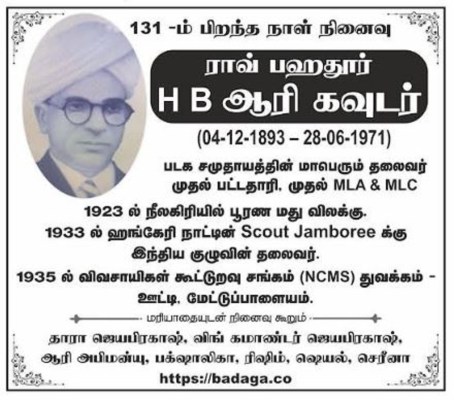
Rao Bahadur H B Ari Gowder

(4 Dec 1893 – 28 Jun 1971)
Rao Bahadur H B Ari Gowder
Rao Bahadur H.B.Ari Gowder, the first Badaga graduate, first Badaga M.L.C & M.L.A for a long time who had brought many reforms in/to Badaga Community including ‘prohibition’ (no alcohol – kudi) to Nilgiris in British days itself. Ari Gowder lead the Indian contingent (“INDIAN CONTINGENT) to World Scouts Jumboree held in Godollo, Budapest, Hungary, Europe in the 1933.
Founder of NCMS – Nilgiris Co-Operative Marketing Society at Ooty and Mettupalayam for the farmers of the Hills in 1935

With Collector of the Nilgiris Mrs.Lakshmi Divya Thaneeru, paying homage to Rao Bahadur HB Ari Gowder on his 131st Birth Anniversary


Rao Bahadur Ari Gowder’s grand daughter Mrs,Tara Jayaprakash &
his nephew Wing Commander Bellie Jayaprakash

The Nilgiris Collector Mrs.Lakshmi Bhavya Thanneeru, along with other dignitaries paying homage to Rao Bahadur Ari Gowder on his 131st Birth Anniversary at NCMS Camous, Ooty. She also planted a tree sapling on the occasion.



Posted in badaga
Started as a hobby but now it is a passion. This website, when started a couple of decades ago, was the second website about Badagas. At that time, I had taken Premature (Voluntary) retirement from Indian Air Force and felt that there was not enough and correct information about our community, the Badagas of the Blue Mountains.
A small community of about 200,000 people that has got such great traditions, customs, culture and an unique language was not being presented to the world with the correct perspective, especially the origin and language.
As I went deeper into various aspects, I was amazed that there is so much to learn and rejoice. Hence my claim & conviction that what we know about Badagas is much less than what we do not know about them.
Over a period of time, visitors to this website grew steadily, gratifying to note that many of the hits are by young Badagas, spread around the world. Averaging about two hundred hits a day.

It is with folded hands, I would like to express my gratitude to you all. A big thank you!
Badaga / Badagu /Badugu is an unique language with its own grammar. Though, some similarities are found with old (haleya) Kannada, Badaga is a separate language.
Orughuvodhu (sleeping) is one of the verb/noun that has its own beauty (Dighvijay.K.Malla, Kundhey Ketchigatti, an enterprising Badaga, brought this up in a recent conversation).
Orughu – sleep. Ollengey Orughu – sleep well
Ollengey Orighidhiya – Did you sleep well?
Orighina – He is sleeing
Orighiya – She is sleeping
Orughu’va – Let us sleep. Appara Jama Aaagi butta, orughuva – It has become quite late, let us sleep.
(koosa) Orughuchchu – make the baby sleep
Orrukku – Sleep. Enaga orrukey bappadhilley – I cant sleep (Sleep does not come to me).
Posted in badaga
Namaskara, OLLenge Idhdhaya (Greetings, How are You?)
Namaskara, Naa oLLengay Idddhey, Nodi appara jena aagibutta ( Greetings, I am fine, Long time since I saw you.
Maneya ella oLLenge idhdharaya ?(How are all at Home?)
Ella oLlenge idhdharey (All are fine), Ee thirukku may koravu jaasti (This time rain and cold are more)
Ha, enna Christian nattukaararu maneyga bandhara. ( Yes, my Christians friends will come home)
Subasri Nithya had written recently about Learning Badaga :
I am eagerly waiting to learn more…. Pls do upload some conversations so that we will understand everything....
Posted in badaga
Photos & info courtesy – J Krishnan


Posted in badaga
Seemeiya Madhippu – சீமெய மதிப்பு
by Dr. R.K Haldorai


Hanadha Seemey ஹணத சீமெ – Thodhanaadu தொதநாடு
Addadha Seemey அட்டத சீமெ – Porangaadu பொரங்காடு
Aagadha Seemey ஆகத சீமெ – Mekku naadu மேக்கு நாடு
Aarukaasuna Seemey ஆருகாசுந சீமெ – Kundhey குந்தெ
தொதநாடு என்பதற்கு தொட்ட நாடு என்ற ஒரு பெயர் உண்டு. அதாவது இது பெரிய நிலப்பரப்பு அடிப்படையில் மற்ற மூன்று சீமைகளைக் காட்டிலும் அதிகமாக நிலவரி செலுத்தும் சீமையாக இருந்துள்ளது. ஆகையால் இதனை ஹணத சீமை என்று குறிப்பிட்டுள்ளனர். இங்கு ஓர் ஹண என்பது நான்கணா காசைக் குறிக்கும். இதற்கு அடுத்தபடியாகப் பெரிய நிலப்பரப்பைக் கொண்டது பொரங்காடு. தொதநாட்டினை நோக்க பொரங்காடு சற்றேறக்குறைய பாதியளவு நிலப்பரப்பைக் கொண்டது. ஆகையால் ஓர் ஹணவின் பாதியான அட்ட என்ற அடையுடன் அதனைக் குறிப்பிட்டுள்ளனர். அட்ட என்பதற்கு இரண்டு என்பது பொருள். பொரங்காட்டில் பாதியளவாக இருக்கும் மேக்குநாட்டை ஆகத சீமை எனக் குறிப்பிள்ளனர். ஆக என்பதற்கு ஒரு வெள்ளி என்பது பொருள். இருக்கும் நான்கு சீமைகளுள் சிறிய நிலப்பரப்பைக் கொண்டது குந்தை. அதனால் ஆகவின் பாதியாக ஆரு காசு என்ற
அடையுடன் குறித்துள்ளனர். “குந்தெய கூட்டி நாக்கு பெட்ட” என்னும் சொலவடையின் மூலமும் குந்தையின் குறைந்த நிலப்பரப்புத் தன்மை உணர்த்தப்படுவதைக் காணலாம்.

Posted in badaga
Badaga Studies (Collected Papers) – by Dr.R K Haldorai

An excellent collection of papers on the Beautiful Badaga Bashe (Language) by one of the most appreciated scholars on Badaga – Dr.RK Haldorai from Kiya Kauhatti
Posted in badaga
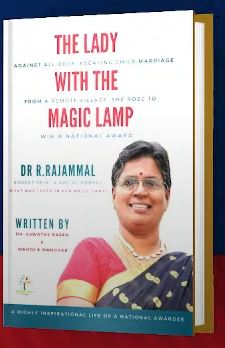
In the recently held function on 9 Sep 2023, for Out Standing Educators by the governor of Tamil Nadu His Excellency Ravi, Dr.Rajammal, a Badaga lady from Kethorai, about whom we have written earlier also, was honoured. The function was held in Chennai.
Around 20 national and State Awardees were honoured and Dr.Rajammal was the no.1 in the list. Only she was given the privilege to address the gathering. See the video below.

We are proud of you Rajamma, Engaga appara santhosha (we are very happy)! – Wg Cdr JP
I attended the “In Conversation with Paul Hockings ” meeting, courtesy Ganesh Ramalingam, who is spear heading the movement to restore ST status for Badagas on 19 Aug 2023. Prof. Paul Hockings is on a visit to the Nilgiris.
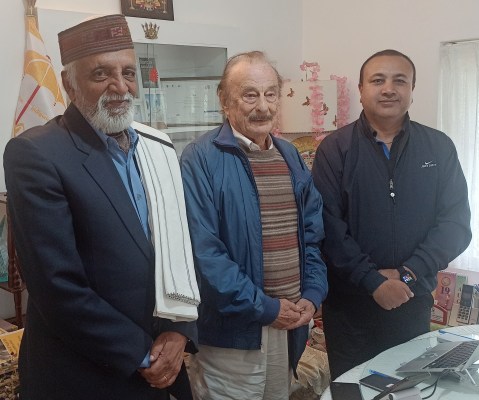
While giving full credit to Prof. Paul Hockings for writing so much about Badagas and exposing us to the world, I am totally opposed to his view that we are migrants from Mysore.
I had told Prof.Paul Hockings many times earlier through emails and in person in the meeting at Ooty.

His argument is “please show some evidence that Badagas were in the Nilgiris for a longer period than a few hundred years, (thousand of years), I will definitely change my view.”
I see a subtle change in his perception now. For a specific question ‘why did you write, in the first place, that Badagas migrated from Mysore, his answer was ‘Badagas, themselves told me and pointed to a village near Nanjangud as their ancestral village ‘.
In 1962, when Paul Hockings first started his research on Badagas, he was about 28 and staying in Ketti village. Prof. Paul Hockings, says that he had visited about 80 Badaga villages.
Prof. Paul Hockings accepts and stated on record that Badagas are as indigenous to Nilgiris as British to Britain to a question by Ganesh Ramalingam. This I consider to be a subtle change in the view of Prof. Paul Hockings though he still seems more inclined towards the migration from Mysore theory.
The argument that Badagas have migrated from Mysore area, in the northern side of the Nilgiris MAINLY based on the meaning of BADAGA and/or some Badagas with whom Paul Hockings interacted, informants as he calls them, told them so, is not convincing. In 1960s, the awareness of Badaga Origin, was not well known to the Badagas. Some Lingayats, among the Badagas he gathered the migration information from, could have been falsely influenced, because of their ties with some villages near Nanjangud.
Now that Badagas, some of them highly educated and well informed, have started questioning this mistaken migration theory, we can feel that there is unease in the minds of many scholars and followers who tend to quote Westerners about migration and calling them wrongly as Hindu Refugees escaping the forced religious conversion by Muslim invaders.
The only way to establish our origin and ancestry, once and for all, is to do carbon dating. Paul Hockings, agrees to this and says he is willing to change his perception about the so called Badaga Migration, as that would be scientific.
Apart from this important issue of migration, where Prof. Paul Hockings, in my opinion, could have been misinformed, the other research Paul Hockings has done on Badagas, is exemplary. His books on ‘Badaga English Dictionary and Badaga Proverbs‘ along with Christiane Pilot Raichur, are great source of information and should find a place in every Badaga home.
On a personal note, I am willing to sponsor anyone from our community, who can do this carbon dating and also request young Badaga leaders like Ganesh Ramalingam and other friends to initiate a serious attempt on this issue.
Let us prove that we are as old as any other tribe in the Nilgiris and this Migration from Mysore is a big mistake.
Wing Commander Bellie Jayaprakash (Air Veteran, Indian Air Force)
Please also see the page on Badaga Origin
Jakkadha SV Ramachandran comments |
Kay Mugadane JP sir
This message should be made loud and clear among every Badaga brothers and sisters. We should get convinced ourselves first.
In my opinion, DNA profiling and DNA mapping would be a better way to scientifically understand the origin of our community.
Regards.
Thank you very much, Ramachandra, I fully agree with you that we, Badagas, should get convinced ourselves first. DNA profiling/mapping could/should also be done. Why not? – Wg Cdr JP
The question is a troubling one but reflects a harsh reality.
Badagas usually get married on ‘arranged system‘. The parents of eligible boys look for a suitable girl from the hattis which have a MOREY (மொரெ). After the customary ‘Hennu Noduvadhu’ – the parents visit the girl’s house, approve the match for the son (many times the boy also accompanies them), and if the ‘CHEMISTRY’ works, then the marriage is fixed – Madhuve Nitchchiya Maadiyaara.
In good old days, the ‘marriage’ gets confirmed only when the girl becomes (seven months) pregnant. That was the time THALI – Kanni (yellow thread) was tied around the girl’s neck ceremoniously by the husband. It was known as KaNNi (kattuva) Madhuve கண்ணி கட்டுவ மதுவே. If the girl does not become pregnant, the problem was always considered to be on the part of the girl (an unfortunate and rather cruel system of the Indian male dominated society). It may be a ground for divorce and in in some cases, a reason for a second wife. Remember, in those days, girls were married off at a very young age.
But the saving grace was that divorcees could get married again and divorce was NOT considered taboo. There were hardly any UNMARRIED boys and girls in hattis.
Unlike those ‘good old’ days, now we find a large number of girls and boys remaining UNMARRIED. In many cases, the failed marriages have resulted in DIVORCED (புடிச்சத) men and women remaining single.
What are the reasons?
2. The educated and employed girls, not finding a compatible match?
3. The unreasonable expectation from the boys (and their parents) side that the girls should settle in hattis?
4. The reality that many marriages have failed and resulted in divorces and hence has created a feeling that “better to be single than to get married & get divorced”
On FB and many of the Badaga Madhuve sites, there are many girls and boys willing to get married but suitable matches are not found. Why?
Is it not high time, that a serious thought is given to NO MARRIAGE / FAILED MARRIAGES and some action taken?
(The following were some of my thoughts on the crucial issues facing the Badaga Community, expressed earlier. They remain relevant even today – JP 13 Nov 2021)
Badagas at the cross roads, need to change with changing times
On the 10th and 11th Feb 2018, a seminar was organised by The Nelikolu Charitable Trust at Coimbatore. The seminar was called “Nangava Nanga Arivo – Let us know about ourselves”. This is to make a select group of scholars/youngsters to present their views on issues concerned/connected with Badaga, both the people and language.
This topic is most appropriate and needed focussed attention.
We Badagas stand at the cross roads, at a crucial time in history. Some of the urgent issues that we face today, if not corrected now, will result in reducing us to history.
I chose to speak on “Badagas at the cross roads, need to change with changing times“
Some of the issues I touched upon are
1. Who are Badagas?
The similarity, differences or otherwise of the Badaga, Odaiya and Thoraiya groups,
2. What is Badaga origin?
The myth, mystery and mistakes of migration from Mysore theory.
3. Badaga language.
The decline of the purity of Badaga language due to inadequate knowledge of the present generation. The systematic omission of HA sound from the language and its impact. The influence of Tamil and English on Badaga in the day to day conversations.
4. Moray system
Is the Moray system playing a major role in the large number of marriages breaking up? Is it time to change the fundamentals?
5. Need to involve the women as equal partners
No elaboration is required about this issue when we consider ourselves as HETHE MAKKA
6. Music, Dance, Chant and keeping the traditions
The originality of our music and dance is lost in the present day blind copying of cinema ‘koothattam’ dances. Are we cutting short the important traditions/rituals like funerals due to paucity of time?
7. Way forward
What we should do? – a COURSE CORRECTION ??
8. Conclusion
What we know about Badagas is much less than what we do not know.
~~~~~~~~~~~~~~~
Are we, the Badaga Community, at the cross roads?
With drastic changes that have engulfed every thing around us, how long can we stay and live unaffected?
With farming, especially growing vegetables [potato in particular] becoming a nightmare with monkey menace and green leaf tea prices on a free fall [mind you, still the tea leaf agents, tea factories, tea brokers are all making money when the actual small tea growers are feeling the pinch of low price that has fallen below Rs.10/- per kg], agriculture that has always associated with Badagas has become an alien word.
With more and more people being forced to leave their villages/Hatties, both for economic and unimaginable reasons [like what happened in Nanjanaadu], following centuries old customs and traditions are becoming difficult.
Added to this is the growing ‘fashion’ among the young and eligible adults to marry ‘outsiders’ that is driving a society to the brink.
Last but the most disturbing is the conversion to ‘another religion’ that has not shown any decline.
Will there be a Badaga Society that is so proud of its unique history, origin, culture, customs, rituals, language and lifestyle, fifty years down the line?
Three main factors were high lighted in the last post – Badagas at the cross roads, about the need to change with changing times. One of them is the problem of ‘outside’ marriages and the root causes. ‘Moray’ being one of them. Some clarifications are called for.
Moray, in my opinion, is a very scientifically significant restriction brought in by our Muthappas/Hethappas. This restriction has avoided a lot of health problems associated with ‘in breeding’ and may be one of the reasons for a better health prevailing among Badagas as compared to other native tribes of the Nilgiris.
But, it is mistaken by many that marriages do not take place among people belonging to the same ‘seemay’. Let us elaborate.

A typical Badaga Village [hatti] consists of houses of brothers [both blood brothers and cousins]. Their chiildren are ‘anna thammaru and akka thangairu – brothers and sisters’. So, the ‘moray’ restriction is very much required as otherwise, one will land up in literally marrying a ‘sister’. Many hattis, not necessarily congruent or geographically adjacent, form a OORU. Many Oorus form the Seemay. The number of villages/hattis in one ooru to another differs. Marriages between OORUS within the same Seemay is very much possible and is in vogue. Like for example, in Porangaadu Seemay which has many oorus, HATHTHOMBATTU OORU [19 villages] and AARU OORU [6 villages] have marriage relationship. See the page on Hattis for more information.
~~~~~~~~~~~~~~~~~~~~~~~
There was a time when every Badaga household got their FRESH vegetables from their own holas [vegetable gardens next to their houses or a little away from the hatti [village].

Be it Avare [beans], gaasu [potatos] or kadaley [peas] or the healthy Keerey Soppu. They were part of the daily menu. Ganji Godhumay [wheat] and baththa were grown, harvested and made into flour so that Eragittu, Pothittu and baththa hittu could be made very often if not daily. There was no dearth of haalu [milk], majjigay [butter milk], mosaru [curd] and thuppa [clarified butter].
But now, all these seem to be a dream. The basic reason could be the INVASION of the koda and kaadu emme [monkeys and bisons] which would not spare any thing green. The strict laws related to wild life and their implementation had become a big deterrent in growing vegetables. A family’s wealth was based on the Banda [cattle -number of buffalos and cows] owned. Tho and kottagay [large and individual cattle sheds] were part and parcel of a hatti.
Every Badaga family had atleast a small patch of thotta [tea estate] that would give an assured income. The steep fall in green leaf tea prices and steeper labour wages have made owning and maintaining the estate more of a burden and headache.
Now, everything is uncertain. Health and wealth have become big casualties.
Life in the Naakku Betta [the Nilgiris, the blue mountains] has really become very difficult. Badagas are at the cross roads and in a catch 22 situation.
Future is a big question mark now?? What can we do about it???
~~~~~~~~~~~~~~~~~~~~~
Posted in badaga
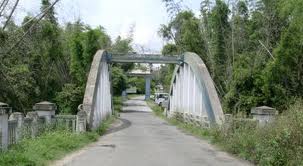
There is small but beautiful bridge, called ARI GOWDER BRIDGE, connecting Tamilnadu and Karnataka States at Kakkanallah, Gudalur taluk in the Nilgiris District. This was built in 1936 when Rao Bahadur HB Ari Gowder was the District Board Chairman.
For many years it was not painted and looked bad. We had taken it up with Collector and NCMS for repainting.
Now the Karnataka Badaga Gowda Association, Bangalore has taken the initiative to get a paint the bridge and give it a green and great look through their EC members Mrs.Anitha & Mr.Gokul IFS.

We thank Mr.Saravanan, the President and all members of KBGA.

Posted in badaga
Also see Badaga Language here
http://badaga-language.blogspot.com/Birds (Hakkilu)
Mari (chic) –{Koi Mari – chic(ken)}
Also for calf [ for eg) Nei mari – puppy dog]
Animals
Aanay (Elephant)
Insects
Anatomy
Came across the following Limerick in http://www.oedilf.com/
In the hills out in Tamil Nadu
There are so many fun things to do,
Like Badaga Scrabble,
But don’t let the rabble
Make a Kannada goose out of you.
Badaga is the language of a tribal group of the same name that inhabits the Nilgiri Hills of Tamil Nadu in southern India. It is a dialect of Kannada. (Badaga is an unique and independent Language -JP )
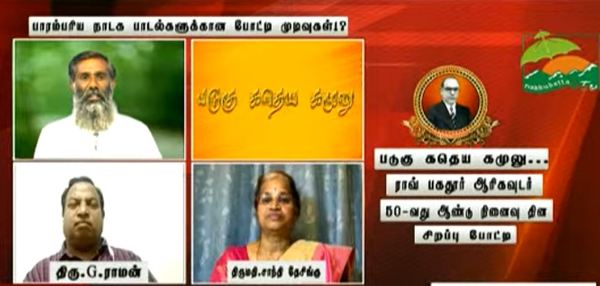


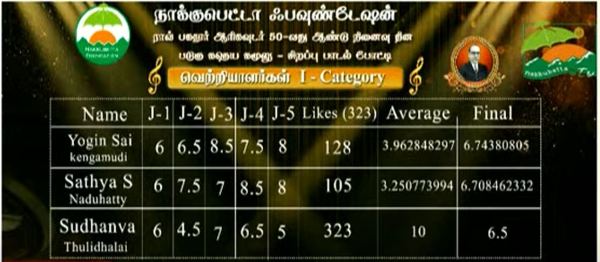
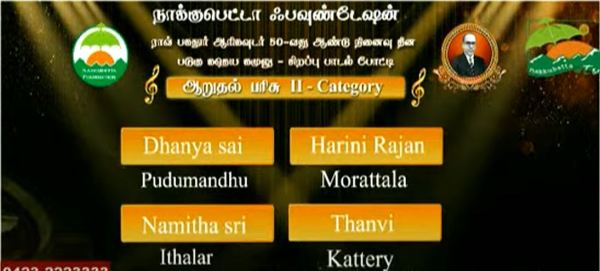
Hearty Congratulations to all the winners. But in fact, it is a big win for the Badaga community since we have discovered the fact that there are so many young, some are indeed very young, singers who are going to be our future treasures. In my opinion, each and every participant is a winners. Our best wishes to them.




Advisory Committee


There are no words to greet and convey our thanks to Ramakrishan and his team in the Nakkubetta TV who have proved that we can conduct such a competition completely online, and make it digitally a great success. The two pillars of this competition are of course, Melur G Rama and Shanthi Deisingh ( who, though based in USA, has given her time and efforts completely). Congratulations to also, to all judges for their great work..
My humble thanks to my colleagues in the advisory committee, IAS Sundradeva, ISRO Bhojaraj and Godalatty Singha Sadhu.
An happy ending indeed. On behalf of Rao Bahadur HB Ari Gowder family, especially my wife Tara, son Abhimanyu Ari and daughter Pakshalika Nanji, I thank Nakkubetta TV, Ramakrisha in particular, for making the Ari Gowder’s 50th Death anniversary year, remarkable and memorable.
Posted in badaga
Badaga or as some like to call Badagu /Badugu, is a ‘classic‘ and independent language spoken by Badagas of the Blue Mountains or the Nilgiri hills, in north -west Tamil Nadu, bordering Karnataka and Kerala.
Though it is unique by itself, it can be said to be akin to Halaiya (old) Kannada more than any Dravidian language. But due to the geo – political reasons, it is more and more identified with Tamil.
Unfortunately, some over enthusiastic scholars and elders have been trying to eliminate the sound ‘ha -ஹ ‘ which is an integral part of the Badaga language and replace it with ‘ah- அ ‘ with some unacceptable justification that these letters (as well as letter like Ja ஜ, Sa ஸ, Sha ஷ ) do not form part of pure/classical Tamil though they are very much in day to day usage. .
Let me elaborate and justify why ha and other letters, like ஜ, ஸ, ஷ etc should remain as a core letters/sounds in Badaga.
A Badaga village is known as Hatti (ஹட்டி) and not as அட்டி.
Our deity Goddess is Hethe – ஹெத்தே and not Athe எத்தே
Some day to day words starting with ha
Ha – ஹ – yes, (Ha ennu – ஹ என்னு – Say yes)
Hagey – ஹகெ – enmity
Haavu – ஹாவு – snake
Hoo – ஹூ – flower, instect
Hui – ஹூய் – hit, tamarind
HaNa – ஹண Money
Hachche – ஹச்செ -Green(alive)
Hallu – ஹல்லு – tooth/teeth
Habba – ஹப்பா – festival
Hannu – ஹண்ணு – fruit
Haddhu – ஹட்து – eagle
Haththu – ஹத்து – ten, climb
Haalu – ஹாலு – milk,
Haavu – ஹாவு – snake
HaLLa – ஹள்ள – river
Hasu – ஹஸு – hunger,
Haasu – ஹாஸு – spread
Hade – ஹடெ -lie down
Haada – ஹாட -plain
HaNe – ஹணே – grass field
HeNa – ஹெண – dead body
Hidi – ஹிடி – catch
Hegilu – ஹெகிலு – shoulder
Hemmaththi – ஹெம்மாத்தி – female/lady/wife
Hendharu – ஹெண்டரு – wife
Hesaru – ஹெசரு – name
Hola – ஹொல – field
Honnu – ஹொன்னு -bridal money ( Rs200 given to the bride’s father to confirm the wedding)
Hogu – ஹோகு – go (Hoittu Banne – ஹோய்ட்டு பன்னெ -good bye)
Horasu – ஹொராசு -outside
Hotte – ஹொட்டெ – stomach
Hoththu – ஹொத்து – sun
Huttu – ஹுட்டு – (blood) relative (huttu Nattu – ஹுட்டு நட்டு – family & friends)
Hudichchu – ஹுடிச்சு -dress up
Huli – ஹுலி – tiger
Huri – ஹுரி – fry ( Huri madakke – a clay pot with a hole used for frying)
HuNNu – ஹுண்ணு – wound
HuNNavae – ஹுண்ணவெ – Full Moon
Hubbathale – ஹுப்பதலெ Hullikkallu – ஹுலிக்கல்லு, Hatti hesaruguva – Names of villages
The importance and necessity of retaining these sounds/letters like Ha ஹ, Ja ஜ, Sa ஸ, Sha ஷ
Jana ஜன – people
Janni ஜன்னி – cold
Jakkadha – ஜக்கத – the famous hatti (village)
Hethe nangava Harichali – ஹெத்தே நங்கவ ஹரிச்சலி Let Hethe bless us !
Extremely happy and proud that Badagas have been recognised as Indigenous people of the Nilgiris, (People of the Mountains by the UNO affiliate based at Rome) by the great efforts of Venugopal Dharmalingam, the Director of the Nilgiri Documentation Centre. Hearty congratulations to him.
This website has been consistently claiming that Badagas are one of the indigenous tribes of the Blue Mountains and we are happy and privileged that in the application submitted to UNO, Venugopal has quoted our website also.
In a function at Ooty, Venugopal Dharmalingam and other Badaga leaders (including Prof. Iyyaro, a Nakkubetta Seemay Gowder, Dr.Mani ex-Director of Central Research Institute, Kasauli and President of Coonoor Badaga Association, Mr.Sivalinga, auditor, Gokul Gowder, a well known Artist and Wg.Cdr.Bellie Jayaprakash), a blown up copy of the recognition approval was presented to the Collector Ms.Innocent Divya today, 16 Oct 2020.
BADAGAS OF NILGIRIS INCLUDED IN UN WORLD’S INDIGENOUS PEOPLES DATA BASE
The Badagas, the largest indigenous social group in the Nilgiris, have been included in the Data Base of World’s Indigenous Peoples by the United Nations Mountain Partnership.
The Inscription on the Badagas says, “ Traditionally Buffalo herders, recently there is a strong trend back to farming with particular attention to organic farming”. On the Badaga language, the Inscription says, “Badaga language (Badaga) is part of the Dravidian language family. One of world’s primary language families spoken by over 200 million people in south, central and north India”.
The Mountain Partnership is a United Nations alliance of partners dedicated to improving the lives of mountain peoples and protecting mountain environments around the world.
Founded in 2002, it has more than 400 members including International Organizations, major private sector organizations and NGOs and 60 governments including India.
MP is currently preparing an international Data Base of Indigenous Peoples and a detailed global map to identify 1. Who are the indigenous and local mountain communities and 2. Where do such communities live?
Indigenous Mountain Peoples are defined by the UN on the following criteria.
1) How long they have been living in a specific territory
2) Their cultural distinctiveness, including exclusive language, social organization, religion and spiritual values, modes of production, laws and institutions;
3) Self-identification, as well as recognition by other groups, or by State authorities, as a distinct community and
4) an history of struggle and exploitation
5) Their continued inhabitation, at least part of the year, on a mountain
6) Their continued use of traditional food systems around mountain ecosystems and
7) Their clear connection to a particular mountain or range.
Based on these criteria, the Nilgiri Documentation Centre, a local research body with nearly four decades of work, submitted the case of the Badagas of Nilgiris for inclusion in the World’s Indigenous Peoples Data Base with all necessary supporting evidence and documents.
The UN Mountain Partnerhiup has accepted the application of the NDC and included the Badaga community in their Data Base of World’s Indigenous Peoples.
Badaga language endangered
The United Nations Economic and Social Council (UNESCO) has already included the Badaga language as ‘Definitely Endangered’ in the UNESCO Atlas of the World’s Languages in Danger.
World’s Indigenous People
Indigenous Peoples are distinct social and cultural groups that share collective ancestral ties to the lands and natural resources where they live. There are approximately 476 million Indigenous Peoples worldwide, in over 90 countries. They make up 6 % of the global population but account for 15 percent of the global poverty. They occupy 25% of the world’s area but safeguard 80% of the global biodiversity.
The UN and Indigenous Peoples
The UN General Assembly proclaimed 1993 as the International Year of the World’s Indigenous People to seek international cooperation for solving problems faced by indigenous people in terms of human rights, environment, development, education and health. August 9 is observed worldwide as International Day of the Indigenous Peoples. India is one of the 144 states which adopted the United Nations Declaration on the Rights of Indigenous Peoples (UNDRIP) by the General Assembly on in 2007. The government is yet to prepare a list of indigenous communities in the country.
Mountains and Indigenous Peoples
Majority of the indigenous peoples live in mountains. The United Nations has recognized that the involvement of indigenous peoples and local communities is essential for sustainable mountain development.
Issued by Indigenous Badagar Alliance


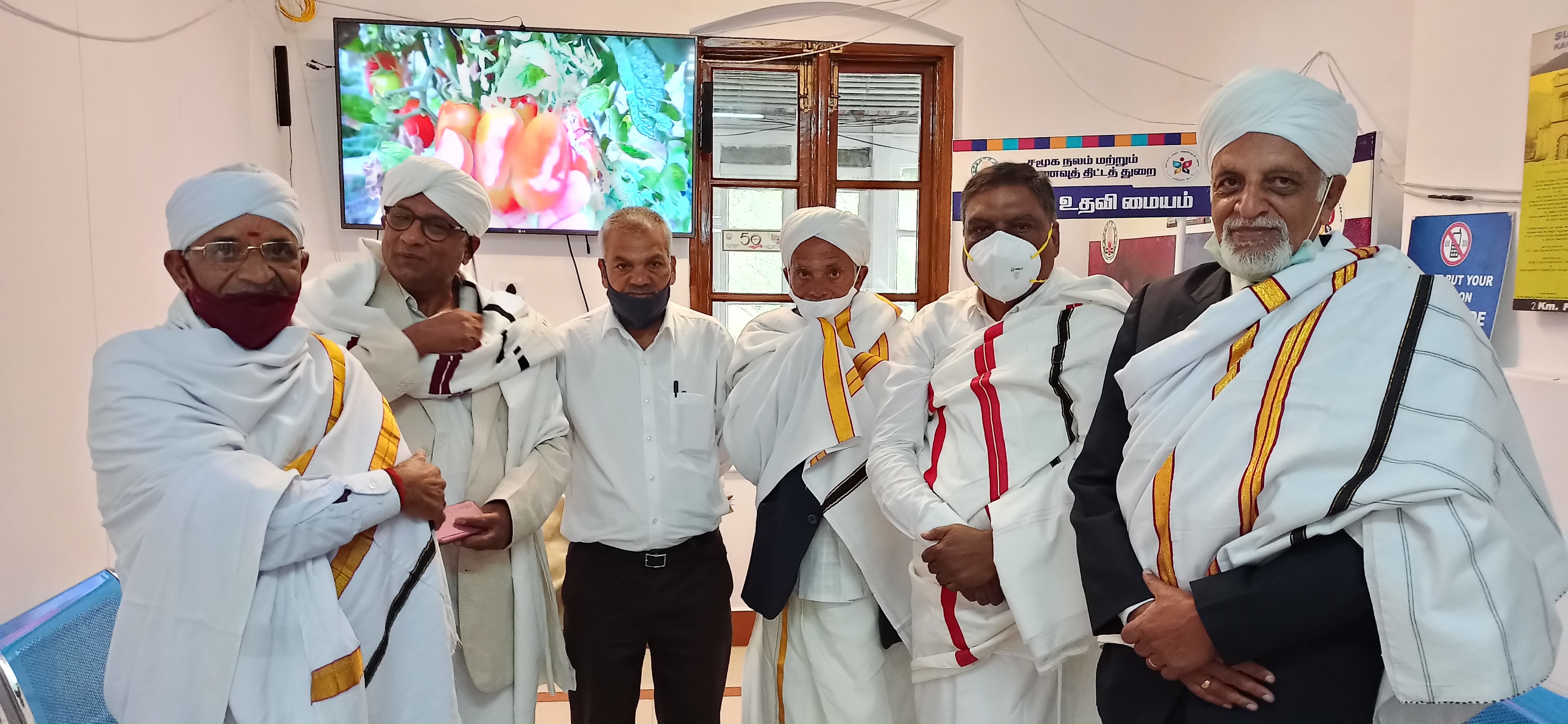
Later on in the evening, Ramakrishnan, owner of Nakkubetta TV anchored an excellent programme on this event. A must watch
Posted in badaga, Bellie Jayaprakash
[This article/page was published earlier. But, most of the issues touched upon have a great relevance even today – Wg.Cdr JP]
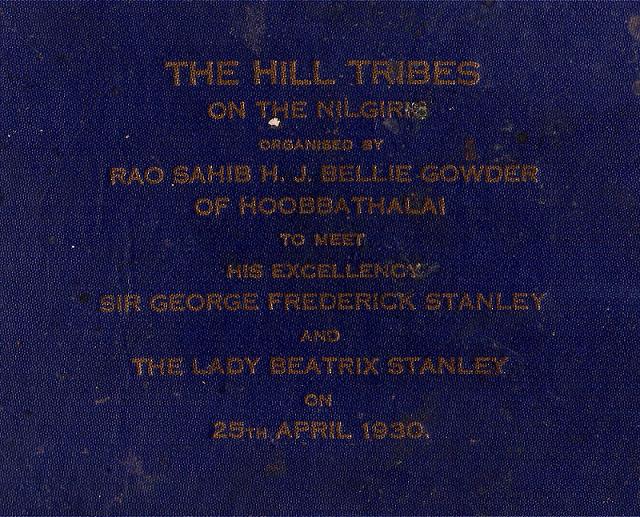
BADAGAS as ST
Many Badagas are under the mistaken impression that if they are brought under the “Scheduled Tribe”, it is a degrading step. I do not think so. Badagas are one of the ‘ORIGINAL’ tribes of the Nilgiris along with Todas, Kothas and Kurumas.
The enormous improvements achieved by Badagas in all social factors, in spite of many impediments, should make us feel proud. This success is attributed to one SINGLE factor. Education. For that we must remember with gratitude the pioneer, visionary and philanthropist Rao Bahadur [Hubbathalai Jogi Gowder] Bellie Gowder who built the first School for Badagas – along with free hostel accommodation in Hubbathalai and his son Rao Bahadur HB Ari Gowder who fore saw that in educating a girl, indeed we are educating a family and hence insisted on education for girls and encouraged it fully.
~~~~
March, 2008 : Why the latest Tamil Nadu website, http://www.nilgiris.tn.gov.in/
on the Nilgiris is getting on my ‘goat’ is the fact that till recently Badagas were shown as a tribe along with Todas, Kothas, Kurumbas and others. In fact, the following photograph displayed in my website www.badaga.in [ see the page https://badaga.wordpress.com/badaga-dance/ ] was taken from that portal.

But the same has been removed from http://www.nilgiris.tn.gov.in/ now.
The above website of TN govt is accessed by many tourists mainly foreigners and they are agast not to find anything on or about Badagas.
What is highly hurting is the fact we have many Badagas including a minister, MLA, many ex-MPs & ex-MLAs who seem to do nothing. Can they not, ATLEAST, shoot out letters to all concerned ? Or, have they forgotten the fact that they are getting a fat pension because of us? I know of an EX-MP who writes to the local police station every now and then emphasising the EX-FACTOR when it comes to grabbing others land for her own kith, but does nothing about the community welfare.
What about the many self appointed leaders of Badaga community, including ex-MLAs, who claim that they are very close to the DMK party leadership ? Why can’t they initiate some action and show the same enthusiasm when they ‘fleece’ the public for money in the name of donation for the party [but lining their own pockets]?
What about many senior government officers, including the only IAS officer who can influence the party in power to take some action ? Firstly, the IAS officer should correct his mother tongue being Badaga and NOT as Tamil as is given in the government official info { a fact I have mentioned in FIRST BADAGA also}.
It is a well known fact that late Rao Bahadur HB Ari Gowder would seek an immediate appointment, to highlight the problems concerning Badagas, with the Collector as well as the State ministers of his time including the great Rajaji who was the CM. Do you know that Rajaji had to apologise to Ari Gowder when he (Rajaji) was delayed for an appointment and Ari Gowder, as MLA, threatened to walk out. I believe, many Collectors of the Nilgiris, would not only address Ari Gowder’s concern expressed over the phone but would consult him on any issue on Badagas.
Why are we keeping quiet ? Why are we behaving like ‘HEBBATHES’ – cockroaches- running away from light and hiding ourselves in darkness??
Most of us feel that getting ST status is demeaning and meant mainly for getting admissions to educational institutions and getting jobs easily. The truth could be entirely different.
Even in our own district of the Nilgirs, do you know that we are not taken as a separate community as BADAGAS but are clubbed with other non tribals??? That is one of the reasons why the exact number of Badags is not available? When census is taken Badags are clubbed under Kannadigas / others.
I am afraid, if this sad state of affair continues, after a few years, we will come under the “extinct” community.
Being from an above average Badaga family – economically [God’s grace], having done my professional studies of engineering and business administration etc and having served in the defence services and having mostly lived in big cities like Delhi, Bangalore & Madras for the past forty odd years or educating my children in the elitist schools, colleges and now abroad, I had no occasion to seek the tag of BC.
BUT.. yes this is a big ‘but’ [no pun intended]…
BUT, NOW THAT I VISIT AND INTERACT WITH OUR PEOPLE IN OUR HATTIS ON A REGULAR BASIS, I AM CONVINCED THAT FOR THE UPLIFTMENT OF OUR COMMUNITY AS A WHOLE (as opposed to city based creamy layers) THERE IS AN URGENT NEED THAT :
Nearly eighty years back, Nakku Betta Leader, Rao Bahadur (Rao Sahib then) Bellie Gowder on whose invitation the Governor of then Madras Province visited Hubbathalai Village was presented a memorandum on the Hill Tribes of Nilgiris which included Badagas, Todas & Kothas. In a grand cultural show organised on that eve Badaga dance was presented [by school boys] in their ‘DODDA KUPPACHA”.

Rao Bahadur Bellie Gowder, incidentally, was not only the leader of Badagas but represented as leader of all the tribes of Nilgiris (a relatively remote hilly & jungle area and unexplored at that time). The folder he presented to the British Governor, on the occassion of his vist to Hubbathalai [on the invitation of Rao Bahadur Bellie Gowder] containg some rare photos of all the tribes of Nilgiris INCLUDING BADAGAS
<
p style=”text-align:center;”>What do you think?
:::::::::::::::::::::::::::::::::::::::::::::::::::::
As I sit down to ponder over the ‘burning issues’ that are bothering the Badaga Community, three issues pop up as very important. The FIRST one is the inequality with which we seem to be treating our women today. Though, this malaise is affecting all the communities in our country, I am concerned that the Badagas who treated their women folk with so much respect and love in the olden days, are slowly but surely pushing them into the second class citizens category.
In earlier days, the girls were married off at a much younger age [Kannu Hoottadha Henga] but with the firm understanding that they [the girls] could seek divorce at any time if there was matrimonial disharmony and that they would be accepted back into the society without any blame and reservation. Getting married again was no big issue. She, always, had the backing of her parents and her brothers as ‘guru mane’ gave unflinching support in all respects mainly financial. This was probably the main reason that the girl children were not given any share in the property.
Being brought up in an atmosphere where complaining and cribbing were not considered as routine, the Badaga women accepted life as it came and were always ready to sacrifice their own comforts. But then, the Badaga men, at least a majority of them, were, also, simple and hard working. Then came the curse of ‘drinking’. And with that, the problems and troubles of Badaga woman increased many fold and took a dramatic turn for the worse. The men folk took full advantage of the vulnerable nature of the women who had the additional burden of bringing up the children. Here, it must be mentioned that a Badaga girl was expected to be pregnant within a few months of marriage and invariably, there was a child to ‘celebrate’ the first wedding anniversary. Followed, of course, with many more children. “Mane thumba Makka” – House full of children – was part of the ‘blessing – Harakkay’.
This put the women in a very disadvantageous position. With many children, divorce was not a choice. Thus, they accepted suffering without complaints.
Education changed the fundamental thinking of girls. Though still faced with the compulsion of early marriage, many girls accepted ‘two children per family’ norm as the best option. But, there was and is still discrimination when it came to giving them share of property. The present law of the land is clear. Girls should get EQUAL share of the property.
The Badaga thinking, mainly mandated and manipulated by men, has found the clumsy excuse of not giving share of the property to the girl children by quoting outdated traditions. This is the problem.
I am convinced that one of the most important and burning issues facing us today is GIVING EQUAL SHARE TO THE GIRLS AS THE BOYS. I am firmly of the view that we have to resolve that we will give equal share to the girls if we have to save our community from falling into disgrace. Let us take that resolution, HERE and NOW.
:::::::::::::::::::::::::::::::::::::::::::::::::::::::::::::::::::::::::::::::::::::
It has been some time earlier that I had written about Rajamma, a Badaga from Kethorai Village. Though, she has been highly recognised, on a personal level, she has not been treated fairly by Badagas, specially from her own village. Some over indulgent and misinformed gentlemen. She has been excommunicated and not allowed to enter her village.
Her ‘crime‘, marrying a non Badaga some 30 years ago, with whom she hardly lived for a year and got legal separation. Instead of feeling proud about a daughter who has been presented with so many awards as a teacher and social activist, her village people have not been kind to her. They may not be aware that what they have done, preventing her from coming to the village, has caused so much pain to this lady who brought up a son as a single mom.
She is a source of inspiration to women folk.
For her efforts and in recognition an USA university has conferred a doctorate to her. Read her inspiring story below. – Wg.Cdr.JP

Dr.Rajamma ( Dean & Educational Consultant. SSAV, CBSE School, Thirumudivakkam ) writes to say :
It is a reward for my 40 years journey. I owe this to my Parents who had given me education, Kendriya Vidyalaya, the great organization where I served for 28 years, the NGOs which gave me a platform to do my social work and the thousands of my students whom had traveled with me in my journey of 40 years.
Tribute to Rajamma from her son Prithvi
There was a dreamy eyed girl who ran to school every morning with tattered clothes, but with big ambitions. When the world around her refused to see how bright she was, she shone even brighter, engulfing all the darkness around her. She climbed mountains nobody ever dreamt of and fought battles she never imagined. In the end, she had the last laugh. This is the story of my Amma who was denied the right to education, but now has an honorary doctorate for her excellence in the field of education and social service.
Your journey, fight for dignity in a society where women were undervalued, and still are, just for being women, has inspired generations of both women and men. Your humility and thirst for knowledge has earned you so many awards that there is no space to keep mine anymore.
You lived your dreams of earning your PhD vicariously through me at first, but look at you now, shining like a pole star.
Thank you for being a purple hibiscus in a world of ordinary red hibiscus. Thank you for being the feminist icon we all need.
—————————————————-
Santhosh Kumar JB has sent the info and the link in ‘The Hindu’ and we have great pleasure in sharing the same with all Badagas.
It was not before the age of 15 that she was first taught the English alphabet. Now, 35 years later, she is a successful teacher in the same subject and is getting ready to leave for New Delhi to receive the Dr.Radhakrishnan Best Teacher Award from President Pratibha Devisingh Patil.
The fact that R.Rajammal is the first generation learner from her family may not be uncommon. But that she belongs to the Badagar community from remote Kethorai Village of Kethi Village Panchayat in Nilgiris District and has come thus far is an inspiring story. People travelling on the famous Nilgiri Mountain Railway might have noticed the Kethi railway station, Coonoor and Udhagamandalam. Her native village Kethorai is a good five-kilometre trek from there.
Ms. Rajammal teaches English and Science to primary students at Kendriya Vidyalaya (II) at Madambakkam near Tambaram. Recognising her rise from modest backgrounds, her contribution to teaching and the Guides movement, the Ministry of Human Resource Development selected her for the prestigious award.
“I am the eldest among five children. I still remember the hardwork of my parents who toiled through the day in tea plantations and small farms raising vegetables,” Ms. Rajammal recalled her childhood days at Kethorai. Five decades back, education in remote hilly areas was scarce but Rajammal made the best of it, excelling in academics till high school.
Being a first generation learner did come in the way but having imbibed the quality of sheer hard work from her parents M.Ramachandran and R.Saraswathi, she never gave up. “We used to walk eight kilometers to high school and back home. It was not before class nine that we were first taught the English alphabet,” Ms. Rajammal said.
As those were the days of college education immediately after S.S.L.C., they had very little time to master English and when she joined Providence College, Coonoor, she found it even more difficult in the initial days. However, with the help of her teachers and classmates, she finished her B.Sc in Botany in high grades and came to Chennai, where she managed to get the job as a teacher at St. Michael’s Academy in Adyar.
Deputation to Moscow
Seven years later, she joined the Kendriya Vidyalaya. After a nation-wide test, she was selected to go on a three-year deputation to Moscow where she served the KV school there. A compere for programmes at INS Rajali in Arakkonam and also during passing out parades of Central Industrial Security Force establishments, Ms. Rajammal has earned popularity for her motivational speeches and also for her work among the underprivileged sections involving school students.
Her association with welfare homes for the senior citizens, destitute women and children had its origins in her childhood. “I visit my native village at least six times a year and spend a long time during the summer vacation. I insist on the importance of education and encourage young girls never to give up till they succeed in life,” Ms. Rajammal said.
Actively involved in the Girl Guides movement, Ms. Rajammal has received the NCERT Award in 2003 for Innovative Teaching Practices in Environmental Studies and the Kendriya Vidyalaya Sanghatan Incentive Award in 2008.
She wants to be a role model for rural women, especially among her Badagar community. Ever indebted to the Kendriya Vidyalaya Sanghatan for the exposure that she has received, she said that she would be only too glad to serve KVS even after her retirement.
K. Manikandan
Posted in badaga
Let us learn Badaga – the unique language of Badagas of the Blue Mountains
” Ollenge iddiya ? – How are you ?”
‘Suddi saddha ella olliththa ? – (Roughly) ‘ How is everything ? ‘
1. Are you a Badaga ? – Nee ondu Badagana?
2. Yes, I am a Badaga – Ha, Na ondu Badaga
3. What is your name ? – Ninna hesaru aena ?
4. My name is Bhoja – Enna hesaru Bhoja
5. Which is your village ? – Ninna Hatti edu ?
[5a. Amme / Thamma, nee ai hatti ? – Girl/ Boy, which is your village?]
6. My village is Bearhatti – Enna Hatti bandu Bearhatti
7. Whose son/daughter are you ? – Nee dara maathi / hennu ?
8. I am Mela thara (top street) Joghi Gowder’s son / daughter – Na Mela thara Joghi gowdaru maathi / hennu
~~~~~~~~~~~~~~~~~~~~~~~~~~~~~~~
Numbers in Badugu /Badaga
1. Ondu (One)
2. Eradu (Two)
3. Mooru (Three)
4. Naakku (Four)
5. Iidu (Five)
6. Aaru (Six)
7. eizhu (Seven)
8. Eattu (Eight)
9. Ombathu ( Nine)
10. Hathu (Ten)
11. Hannondu (Eleven)
12. Hanneradu (Twelve)
13. Hadimooru (Thirteen)
14. Hadanaakku (Fourteen)
15. Hadanaidu (Fifteen)
16. Hadanaaru (Sixteen)
17. Hadarizhu (Seventeen)
18. Hadarettu (Eighteen)
19. Hathombathu (Nineteen)
20. Eipathu (Twenty)
30. Moovathu (Thirty)
40. Nalavathu (Forty)
50. Iivathu (Fifty)
60. Aravathu (Sixty)
70. Elavathu (Seventy)
80. Embathu ( Eighty)
90. Thombathu (Ninrty)
100. Nooru (Hundred)
Days In Badugu/Badaga
1. Aadivaara (Sunday)
2. Sovaara (Monday)
3. Mangavaara ( Tuesday)
4. Bodavaara (Wednesday)
5. Chikkavaara (Thursday)
6. Bellie (Friday)
7. Sani (Saturday)
Months In Badugu/Badaga
It is said that Badaga month usually, starts on every 10th of the English month. Like for example the first Badaga month Koodalu starts on 10th January.
1. Koodalu (Jan)
2. Aalaani (Feb)
3. Nallaani (Mar)
4. Aani ( Apr)
5. Aadire (May)
6.Aadi (Peraadi) (Jun)
7.Aavaani (Jul)
8.Perattadi (Aug)
9. Dodda Deevige (Sep)
10. Kiru Deevige (Oct)
11. Thai (Nov)
12. Hemmaatti (Dec)
Pleasantly surprised to hear all the Badaga Months being mentioned in this song called ‘Kappu Huttileyu’ . Listen to this great dance number and other Badaga songs here
**************************************
| Hindu-Arabic numeral | Badaga and pronunciation | |
|---|---|---|
| 1 | ஒந்து (Ondu) | |
| 2 | எரடு (Eradu) | |
| 3 | மூறு (Mooru) | |
| 4 | நாக்கு (Naakku) | |
| 5 | ஐது (aidhu) | |
| 6 | ஆறு (aaru)) | |
| 7 | எழ்ழு (ézhu) | |
| 8 | எட்டு (ettu) | |
| 9 | ஒம்பத்து (Ompathu) |
Certain peculiarities of Badaga .
Hallu [ ha- as hurt and llu – as in loo] means tooth [teeth]. note – there is no plural term.Haasu – spread [the bedding], Haasike – beddingHasu – hunger
Maana – Pride, Mana – heartKaanu – see, Kannu – eye[s] (example – Doctor-a Kaanu, kanna pathi hegina – See the Doctor, he will tell about the eyes]
~~~~~~~~~~~~~~~~~~~~~
Peculiar Words
There are some words in Badaga that are truly peculiar. for example :
1. GIJI GIJI ( as in Give & Jinx) – Confusion , mess up / disorderly
GIJI GIJI maada beda – Don’t create confusion
Room aekka ethe GIJI GIJI (ya) hadadhe ? – Why is this room in such a mess?
2. MURUKKU(LU) (Mu ru ku) – Foul mood / mild anger
Amme Ekka maathaduvadu elle ? – Why is sister not talking ?
Ava murukkindu endhave – She is in a foul mood
3. BADAYI (Ba daa ee ) – Show Off (proud)
Appara badayi maadiya – She shows off a lot
~~~~~~~~~~~~~~~~~~~~~~~~~~~~~~~~~~
Birds (Hakkilu)
Mari (chic) –{Koi Mari – chic(ken)}
Also for calf [ for eg) Nei mari – puppy dog]
COLOURS (BANNA)
1.Kappu – Black
2.BeLLay – White
3. Keppu (Kechay) – Red
4. Pachchay – Green
5. Neela – Blue 6. Arichina (Manja) – Yellow
Also see http://badaga-language.blogspot.in/
Badaga or Badagu, is a ‘classic‘ and independent language spoken by Badagas of the Blue Mountains or the Nilgiri hills, in north -west Tamil Nadu, bordering Karnataka and Kerala.
Though it is unique by itself, it can be said to be akin to Halaiya (old) Kannada more than any Dravidian language. But due to the geo – political reasons, it is being identified more with Tamil.
Unfortunately, some ‘over enthusiastic scholars’ and a few elders have been trying to eliminate the sound ‘ha -ஹ ‘ (which is an integral part of the Badaga language and) replace it with ‘ah- அ ‘ with some unacceptable justification that these letters (as well as letter like Ja ஜ, Sa ஸ, Sha ஷ ) do not form part of pure/classical Tamil though they are very much in day to day usage.
Let me elaborate and justify why ha and other letters, like ஜ, ஸ, ஷ etc should remain as core letters/sounds in Badaga.
A Badaga village is known as Hatti (ஹட்டி) and not as அட்டி.
Our deity/ Goddess is Hethe – ஹெத்தே and not Athe எத்தே
Some day to day words starting with ha
Haalu – ஹாலு – milk
Habba – ஹப்பா – festival
Hannu – ஹண்ணு – fruit
Haavu – ஹாவு – snake
Jana ஜன – people
Janni ஜன்னி – cold
Jav’voni – Young
Jakkadha – ஜக்கத – the famous hatti (village)
Hasu ஹஸு – hunger
Haasu ஹாஸு – spread
Hethe nangava Harichali – ஹெத்தே நங்கவ ஹரிச்சலி
Let Hethe bless us !
Badugu Barey (Badaga Script )
Yogesh Raju (Kadasoley)


Yogesh Raju from Kadasole has been working on a Badaga (he prefers to say Badagu) script for the past fifty odd years. In fact, the script was developed in 1968 itself and was taught in Mael Hosattai of Mael(Mel) Seemay. He is convinced that Badaga – Badagu is an unique Dravidian language by itself (as opposed to being a derivative of Tamil or Kannada, as some over enthusiastic supporters of these languages claim it to be. He has been propagating/teaching Badugu Script ever since.
Badugu Grammar was ‘written’ in two parts eleven years back and was released in a function at Coonoor in a press meet. The script appeared in the Tamil vernacular news paper ‘Dina Thanthi’ in 1991
A language without a script is bound to face extinction sooner or later. No question about it. Earlier, why even today, many Badagas communicate with each other in Badaga by using the scripts of English or Tamil, in which most of the educated Badagas are proficient with. The draw back of using these languages is that there are no equal or suitable letters (alphabets) to truly bring out some sounds/words used by Badagas.
For example, Ha which is extensively used in Badaga does not have an equivalent in PURE Tamil, though in today’s Tamil, ஹ is freely used. But unfortunately, some professionals, have started using ah – அ instead. They have gone to the extent of justifying this by corrupting words like hatti (village – ஹட்டி) as atti – அட்டி. A sure way to destroy the originality of Badaga.
In English, there is no equivalent to La – ள or Na – ண which is extensively used. oLLIththu – good or haNa – money etc
See the pages on Badaga Barey under Badaga language in this website
Yogesh has been doing very good service to the society to preserve the greatness of Badaga by not only creating a script but teaching the same to youngsters in schools and online
We wish him success in his endevour – Wg.Cdr. Bellie Jayaprakash
(www.badaga.co )
The HALF-A-CENTUARY OLD BADUGU SCRIPT by Yogesh Kadasole

BADUGU BARE(Y) – Badugu Script, was conceived in 1968. Now it is reaching a greater number that is growing faster.
LakshaNa (grammar) & Maathartha (dictionary) are enriching Badugu, the language of Badugas, a Prilmitive native tribe of Nigiris from more than 2000 years back.
The Badugu bare was born 50 Years ago, at Mel Hosahatty at southern side of Nilgiris, in Kundhe Seeme though I belong to Thodhanaadu seeme. Then developed other letters in the course of time (the letters were not developed in a day or two); after long research and avoiding any clash between letters and avoiding any confusion when writing with speed and considering the psychology and the writing ability and pattern of the young children the script was developed further and experimented. in 1968 Itself, by teaching younger students and conducting tests.
All these happened at Hosahatty- some names I remember: Markanda at Kunda, Bheema, Mahalinga, Krishnamoorthi (cousin of GuNa magesa, VC of an University in Gujarath), etc. (one interesting incident: one student (4th Std) asked me why there are two ‘in’s in Tamil and why they call one ‘in’ as ‘indh’ when that ‘in’ comes in between a word and why this confusion in Tamil. I wondered at his intelligence and it helped me in analysing the language. I. told the ‘students’ that ‘we are learning our Badugu and should forget about other languages when studying Badugu that our Badugu script has only appropriate letters for the sounds of Badugu language.The beauty is they studied in 3 hours and when I dictated some words (which I did not teach) they wrote them correctly!).

Then in due course of time the script was corrected for shortcomings and shape given with writing flexibility- this took some more time, about 6 more months. But at that time the scripts for the words ‘QWA’ and ‘GWA’ were not there, it was Introduced in 1970 only.
After the research in all the ‘sabdha’ (sounds) of Badugu words, by which time Ii had collected and arranged some Badugu words (around 1000 words). In 1991 this script was published by a friend from Nandhatty-Gudalur who is a correspondent of Tamil Daily “Dina Thandhi”.
Seeing this news paper article, 15 gentlemen (14 from Kotagiri area and one Tamilian lady from Avinashi) studied it through correspondence. We used to write in inland letters and only in Badugu script,! (the name in the address were also written in Badugu apart from English); I still preserve them (please note that at that time there was no tv and mobiles !!!)
Later on I worked for five years for collecting old and rare Badugu words from very old elders – some words like ‘banda’, ‘mammukoosu’, ‘sisukoosu’, ‘burude’, etc,….from Maelseeme (in Hasanur, bordering Karnataka) also. (25yrs back my father, KP.Raju, a freedom fighter, established a school there and my brother (Ganesh) was teaching there and I also used to go on holidays and taught in that school).
Now around 7000 words have been collected and arranged in alphabetical order. Then started writing ‘Maaththartha’ (dictionary); after writng about 50 pages I felt the immediate need for ‘Lakshana’ (Grammar) and worked for 4 to 5 years , wrote two parts (completed in 2010) of GRAMMAR .
After this, the script was posted in the Face Book, last year(2012). Because of the efforts taken by BWC (convener: Singan Sathu), more than two thousand people around the world are studying our script through internet. Then, many youngsters who studied it joined and we under the banner of BLPG (which was instrumental in the formation of BMS) started teaching the Badugu Barey at villages in weekends (so far around 50 villages were covered).
Apart from this the ‘Learn Badugu’ lessons are being posted in the FB groups at regular intervals (so far 32 lessons were posted in first phase and in the second phase also many lessons were posted). Now Maththartha (dictionary) work is continuing.
Now FB group BBB has been created and the website- http://www.swadhandhrabadugu.org started for Badugu and the related history. In April, 2014, we conducted free 3 day camp at Reach Matriculation school, Coonoor, with the help of Prakasam Malla Gowder. Also conducted classes at cities like Coimbatore and Chennai with the support of Badagar Welfare Association, Chennai, and at Gudalur- Gudalur Badugar Nala Sangha, apart from many workshops conducted. Such classes are continuing.
I came out of Indian Bank on VRS, for the purpose of this work and also for services under BBB and BMS. Also visited UAE, at the invitation of Dubai Baduga Association, and taught Badugu script there in Dec. 2014.
Singhan Sathu (of BWC, and AGM of Corporation Bank, and the previous President of Erode Baduga Association) introduced the Badugu script in face book. BLPG started; then BMS started.Some of the people who are pillars in Badugu teaching are:- Attuboil Raja, Senthil Kerappadu, Harihara Emarald Bhoja, Nijanth G Halagowda, Valli Aanandh, Pavithra, Aneesh, Ajeeth. Sivaraj (Selakore). A 1991 Correspondence student (now a Hindhi and Badugu teacher) has taken the mantle of teaching in many villages with a team, all with the blessings of HirOdayya, the Almighty.
Badugu Badhukku; Long live Badugu.
(From 2016 an exclusive FB group – BADUGU BARE(y) and BAASHE.- has been started. It is dedicated only for Badugu language and Script. Lessons and Videos are posted regularly).
Yogesh (Kadasolai) mob-8903471808. email: yogeshr070&gmail.com.
Face book group timeline for learning Badugu script:- BADUGU BARE(y) and BAASHE’ (script and language) -BBB
Website:- www.swadhandhrabadugu.org
Posted in badaga
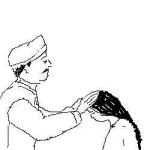 sketch by JP
One of the wonderful and deeply meaningful customs of Badagas, is the seeking of the blessings of elders. That is, whenever any person meets/visits an elder, he or she seeks the blessings of the elderly person [elderly does not mean aged/old but only elder by age] by bowing the head and requesting “Harachu (bless me)”. If any headgear like cap/turban is worn, the same is removed before seeking blessings. Foot wear also removed.
The elder, placing his/her right hand [or both hands] on top of the head of the youngster would bless [broadly] with the following words – footwear [kevaru / mettu]as well as the headgear [cap/kovili or turban / mandare] would be removed before blessings are sought / offered.
The elderly person blesses as ‘ Ondhu Nooru, Saavira Agili [let one become a hundred and then a thousand]; Somi, harachavu,sogavu kodili [may God give good health and happiness]; Hoppa eday, bappa eday ella ollithay barali [let only good things happen while going out or coming back]‘ This tradition not only ensures respect to elders but also shows the close bond. Incidentally, open palms -where the nerves end, is supposed to transmit positive vibrations. Thus, the open palms placed on the head, is the ultimate way of blessing.
If you are new to this custom, it may make us a bit uneasy [ashamed is a very strong word] but when you get used to it, this is pure bliss. Let us start seeking the blessings from the most neglected elders – our parents.
1. OLLithagi, ondhu saaviraagi, ko endu korasi, bo endu bokki, nooru thumbi, naadu jaradu, dheera p(b)oorana aagi, baddukki ba
[Let everything become good, let one become a thousand(wealth), let ‘ko’ be the call, let it boil as ‘bo’, let 100 (years) be completed, visit all [over] nation(s), be a great and enlightened person & come back with all these.
2. OLLitha Ethi, Hollava ThaLLi, Olagodho Ellava Geddu Ba
[Leave all that is bad, take all that is good , come back winning all/everything in this world]
3. Enna maathi / hennu, , sangatta salippu elladhe oLLenge iru, paddipperi mundhuga hesarethi baa, Hoppa Dhari, Bappa Dhari yo, edinjillu elladhe oLLange agili, Nee olagava gedhdhu ba !
[ Oh my son/daughter, let you live well without any disease or discomfort, let you become famous and may education take you forward, wherever you go, let there be no interruptions or hindrances and may you come back safely. May you rule [lead] the nation (with your wisdom)]!
Full text :
ondhu, ompaththu aagali,
ondhu, saavira aagali,
harachchava kodali, sogava kodali,
baNda hechchali, badhukku hechchali,
bE hechchali, haalu hechchali, haNNu hechchali,
mane katti, maaru kattili,
ondhu mane, saavira mane aagali,
beNNE bettu aagali, thuppa theppa aagali,
hulla muttile hoo aagali, kalla muttile kaai aagali,
honna muttilE sinna aagali,
bettadhudhu bandhalEyu, beraluga adangali,
attudhadhu bandhalEyu, aangai adangali,
Kattidhadhu kareyali, biththidhadhu baeyali,
aanaiya balava kodali, ariyaa siriyaa kodali,
budhdhi bevarava kodali,
uri hOgi, siri barali, siri sippaaththi agali,
HOppa ede, bappa ede ellaa, oLLiththe barali,
nooru thumbi, naadu jaradhu, dheera pooraNa aagi,
OLLiththa Eththi, Hollava ThaLLi, olagodho ellaava Gedhdhu,
sangatta salippu illaadhe,
hoppa dhaari, Bappa Dhaari yo, edinjilu iLLaadhe,
padipPeri mundhuga hesareththi,
kumbE kudi haradha engE, angaalu muLLu muriyaadhE,
kO endhu korachchi, bO endhu bokki,
ManE thumba makka hutti, gOttu thumba sosE kondu,
paava pariya nOdi, olagadha hesaru eththi
badhukki baa
மனே கட்டி, மாரு கட்டிலி,
ஒந்து மனே, சாவிர மனே ஆகலி,
பெண்ணே பெட்டு ஆகலி, துப்ப தெப்ப ஆகலி,
ஹுல்ல முட்டிலே ஹூ ஆகலி, கல்ல முட்டிலே காய் ஆகலி,
ஹொன்ன முட்டிலே சின்ன ஆகலி,
பெட்டதுது பந்தலேயு, பெரலுக அடங்கலி,
அட்டுதது பந்தலேயு, ஆங்கை அடங்கலி,
கட்டிதது கரேயலி, பித்திதது பேயலி,
ஆனைய பலவ கொடலி, அரியா சிரியா கொடலி,
புத்தி பெவரவ கொடலி,
உரி ஹோகி, சிரி பரலி, சிரி சிப்பாத்தி அகலி,
ஹோப்ப எடே, பப்ப எடே எல்லா, ஒள்ளித்தே பரலி,
நூரு தும்பி, நாடு ஜரது, தீர பூரண ஆகி,
ஓள்ளித்த ஏத்தி, ஹொல்லவ தள்ளி, ஒலகொதொ எல்லாவ கெத்து,
சங்கட்ட சலிப்பு இல்லாதெ,
ஹொப்ப தாரி, பப்ப தாரி யொ, எடிஞ்சிலு இல்லாதெ,
படிப்பேரி முந்துக ஹெசரெத்தி,
கும்பே குடி ஹரத எங்கே, அங்காலு முள்ளு முரியாதே,
கோ எந்து கொரச்சி, போ எந்து பொக்கி,
மனே தும்ப மக்க ஹுட்டி, கோட்டு தும்ப சொசே கொண்டு,
பாவ பரிய நோடி, ஒலகத ஹெசரு எத்தி
பதுக்கி பா
English Translation
Let prosperity/good deeds increase nine folds,
[ondhu – one, ombaththu – nine, aagali – happen]
Let a prosperity increase a thousand times,
[saavira – thousand]
Let good helath and happiness be bestowed
[haracha – health, soga – happiness, kodali – given]
Let the cattle wealth / livestock (number of buffalows and cows) increase
[banda – cattle]
Let wealth increase
[badhukku – wealth]
Let the (sown) crops increase
[bay – crops)
Let the milk (yield) inncrease
[haalu – milk]
Let the fruits increase
[hannu – fruits]
May you build (your own) a house
[manay – house, katti – build]
May you get married
[maaru katti – marriage]
Let one house become a thousand
[may your family increase]
Let the butter [yield] grow like mountain,
[bennay – butter, bettu – mountain]
Let ghei (made from clarified butter) become large well
[thuppa – ghei, theppa – well]
Let grass turn to flowers and stones to fruits when touched
[Hullu – grass, muttilay – to touch, hoo – flower, kallu – stone , kaai – unripe fruit]
Let iron turn to gold
[Honna – iron, sinna – gold]
Even if trouble comes in huge amount like a mountain, let it be contained in a finger
[betta – mountain, bandalay – coming, beralu – finger, adangali – contained]
Even if trouble comes like a deep valley, let it be contained in the palm (fist)
Let the cow give milk,
[kattidhadhu – tied cow, karayali – to milk]
Let whatever is sown, grow well
[biththidhadhu – sown, bayyali – grow well]
Let the strengh of Elephant be bestowed (on you)
[Aanay – elephant, bala – strengh]
Let a lot of happiness be given,
[siri – happiness]
May you become intelligent and wise
[budhdi – intelligence, bevara – wisdom]
Let jealousy vanish and happiness prevail
[uri – jealousy /envy]
Let happiness increase manyfold
[sippathi – manyfold]
Let only good things happen wherever you go and come
[Hoppa – going, bappa – coming, eday – place, olliththu – goodness]
Let you live to be a full hundred with lots of wisdom so as to make others wonder(envious)
[nooru – hundred, thumbi – full/filled, naadu – nation/others, jaradu – envious, Deera – wisdom, poorana – complete /lots, aagi – become]
Take only the good and leave behind the bad
[olliththu – good,eththi – take, holla’va – bad, thalli – leave behind]
May you win all in this world
[olaga – world, ellava – all, geddhu – win]
without any worries and problems,
[sangatta – worries, salippu – problems/hesitation]
Let there be no hinderance on your ways
[dhaari – path /way, edinjallu – hinderance]
Let you come up in life with wisdom given by education
[paddippu – education, mundhuga – coming forward]
Like a pumpkin plant that grows and spreads
[kumba kudi – pumpkin plant, haradu – spread]
Let not thorns stop your steps
[Aangaal – foot, mullu – thorn, muriyadhay – embed (in the sole)
Let your name and fame spread wide and far and called by all and overflow
[korachi – calling, bokki – overflow]
Let your home be filled with children
[makka – children, hutti – born]
and let there be many daughters in law
[gottu – corner, thumba – full,sosay – daughter in law]
May you look after your dear and near ones
[pava paria – near and dear ones]
Earn a great name in this world
[hesaru – name, eththi – earn]
And live with PROSPERITY
(sources :My mother B.Idyammal , Appukodu Lakshmi Ammal, Balasubramaiam’s ‘Paame’, Sivaji Raman’s ‘Badaga Samudhaayam’ and my own interaction with Badaga elders)
:::::::::::::::::::::::::::::
:::::::::::::::::::::::::::::::::::::::::::::::::::::::::::::::::::::::::::::::::::::
Posted in badaga
How the relations are called in Badaga ( query from Ram Siva)
1.Mother – Awway (others but not commonly used – Awwa, Amma, Thayee)
2.Father – Appa (Thandhey)
3.Elder sister – Akka
4.Elder brother – ANNa
5.Younger sister – Ammey (Thangei)
6.Younger brother – Thamma
7.Son – Maathi
8.Daughter – HeNNu
9.Grand Mother – Heththey
10.Grand Father – Iyya
11.Father’s elder brother – Dhoddappa
12.Father’s younger brother – Kunnappa
13.Mother’s elder sister – Dhoddawway
14.Mother’s younger sister – Kunnawway
15.Mother’s brother – Mmma
16.Father’s sister – Mammi
17.Elder brother’s wife – Aththigay
18.Husband’s sister – Aththigay
19.Children – Kunavay
20.Child – Koosu
21.Elders – Dhoddavakka
22.Youngsters – Kunnavakka
23.Young – Javvoni
24.Friend – Nattukara ( male), Nattukaththi (female)
25.Lover – Priyakaara, Priyakaathi (??)
26.Natta – an outsider from another Hatti (village)
Husband – Ganda
Wife – Hendaru (Hemmathi)
Son in law – Aliya
Daughter in law – Sosay
Co brother – Juddukka
Brother in law – Bawa (Mamma)
Mudukka – Old man
Mudukki – Old woman
Mothers brothers – Guru Mane Mammanavakka
A couple of days back, I received the following email from a young mother [name withheld] who wrote to say :
Dear Sir, It gave immense pleasure for me to visit your website. I was always amazed to know about the community and the culture.
I am a Non Badaga and married last Dec to a Badaga from ………..
And Recently on the ….. of this month I gave birth to a baby. My husband and my in laws want me to learn Badaga as I have to talk to the baby in Badaga for her to pick up the language.
Please help me learn the language by sending me some day to day conversations .
Thanks in Advance. Best Regards.
[Like in Tamil – instead of Nee it is Neengal when we talk to an elder]1.How are You – Ollenge [ஒள்ளெங்கெ] idhara?2.How is your health? – Ninga Sogava idhara / odambu ollenge hadadhaiya?
3.How is the weather? – Seemey ethey hadadhey?
4.what did you eat for breakfast/lunch/dinner. – Orakkadhu [morning] / Hagalu [afternoon] / santhu [evening], aena hittu thindhi?
5.Would you like to have some tea? – Josee Tea kudithaariya ?
6. (Girl/Boy) Baby is doing good. – [kandu/hennu] Koosu ollenge idharey
7.(Girl/Boy) Baby is naughty. – [Kandu/Hennu] Koosu appara kurumbu
8.We are coming tomorrow. – Enga naayiga banna’ne’yo
Let us learn Badaga
” Ollenge iddiya ? – How are you ?”
‘Suddi saddha ella olliththa ? – (Roughly) ‘ How is everything ? ‘
1. Are you a Badaga ? – Nee ondu Badagana?
2. Yes, I am a Badaga – Ha, Na ondu Badaga
3. What is your name ? – Ninna hesaru aena ?
4. My name is Bhoja – Enna hesaru Bhoja
5. Which is your village ? – Ninna Hatti edu ?
[5a. Amme / Thamma, nee ai hatti ? – Girl/ Boy, which is your village?]
6. My village is Bearhatti – Enna Hatti bandu Bearhatti
7. Whose son/daughter are you ? – Nee dara maathi / hennu ?
8. I am Mela thara (top street) Joghi Gowder’s son / daughter – Na Mela thara Joghi gowdaru maathi / hennu
~~~~~~~~~~~~~~~~~~~~~~~~~~~~~~~
Numbers in Badugu /Badaga
1. Ondu (One) 11. Hannondu (Eleven)
2. Eradu (Two) 12. Hanneradu (Twelve)
3. Mooru (Three) 13. Hadimooru (Thirteen)
4. Naakku (Four) 14. Hadanaakku (Fourteen)
5. Iidu (Five) 15. Hadanaidu (Fifteen)
6. Aaru (Six) 16. Hadanaaru (Sixteen)
7. eizhu (Seven) 17. Hadarizhu (Seventeen)
8. Eattu (Eight) 18. Hadarettu (Eighteen)
9. Ombathu ( Nine) 19. Hathombathu (Nineteen)
10. Hathu (Ten) 20. Eipathu (Twenty)
30. Moovathu (Thirty) 40. Nalavathu (Forty)
50. Iivathu (Fifty) 60. Aravathu (Sixty)
70. Elavathu (Seventy) 80. Embathu ( Eighty)
90. Thombathu (Ninrty) 100. Nooru (Hundred)
Days In Badugu/Badaga
1. Aadivaara (Sunday)
2. Sovaara (Monday)
3. Mangavaara ( Tuesday)
4. Bodavaara (Wednesday)
5. Chikkavaara (Thursday)
6. Bellie (Friday)
7. Sani (Saturday)
Months In Badugu/Badaga
It is said that Badaga month usually, starts on every 10th of the English month. Like for example the first Badaga month Koodalu starts on 10th January.
1. Koodalu (Jan)
2. Aalaani (Feb)
3. Nallaani (Mar)
4. Aani ( Apr)
5. Aadire (May)
6.Aadi (Peraadi) (Jun)
7.Aavaani (Jul)
8.Perattadi (Aug)
9. Dodda Deevige (Sep)
10. Kiru Deevige (Oct)
11. Thai (Nov)
12. Hemmaatti (Dec)
Pleasantly surprised to hear all the Badaga Months being mentioned in this song called ‘Kappu Huttileyu’ . See the widget on the right and click to listen to this great dance number
**************************************
| Hindu-Arabic numeral | Badaga and pronunciation | |
|---|---|---|
| 1 | ஒந்து (Ondu) | |
| 2 | எரடு (Eradu) | |
| 3 | மூறு (Mooru) | |
| 4 | நாக்கு (Naaakkuu) | |
| 5 | ஐது (aidhu) | |
| 6 | ஆறு (aaru)) | |
| 7 | எழ்ழு (ézhu) | |
| 8 | எட்டு (ettu) | |
| 9 | ஒம்பத்து (Ompathu) |
Maana – Pride, Mana – heart
~~~~~~~~~~~~~~~~~~~~~
Peculiar Words
There are some words in Badaga that are truly peculiar. for example :
1. GIJI GIJI ( as in Give & Jinx) – Confusion , mess up / disorderly
GIJI GIJI maada beda – Don’t create confusion
Room aekka ethe GIJI GIJI (ya) hadadhe ? – Why is this room in such a mess?
2. MURUKKU(LU) (Mu ru ku) – Foul mood / mild anger
Amme Ekka maathaduvadu elle ? – Why is sister not talking ?
Ava murukkindu endhave – She is in a foul mood
3. BADAYI (Ba daa ee ) – Show Off (proud)
Appara badayi maadiya – She shows off a lot
~~~~~~~~~~~~~~~~~~~~~~~~~~~~~~~~~~
Birds (Hakkilu)
Mari (chic) –{Koi Mari – chic(ken)}
Also for calf [ for eg) Nei mari – puppy dog]
COLOURS (BANNA)
Also see http://badaga-language.blogspot.in/
Posted in badaga
A clean India i.e an open defecation free India, is a must for being a developed country.
A clean Nilgiris, Nakku Betta, will make us one step closer to the achievement of a clean India.
For making India and the Nilgiris clean, open defecation free, every Badaga Hatti (village) should have a toilet in every house. Where it is not possible for some odd houses to have toilets, there must be public toilets built by collective effort.
Badagas are right on top on many social factors. The most important one could be, Prime Minister Modi’s Beti Bachav, Beti Padav slogan and scheme.
We would have added another feather in our caps, if we have ensured that our hattis are really and truly open defecation free.
Let us strive to bring in that reform in our villages.
Let ‘Kaaduga Hoppadhu‘ (going to the forest for defecation) be a thing of the past.
[This article/page was published a few years back. But, most of the issues touched upon have a great relevance even today – Wg.Cdr JP]
BADAGAS as ST
Many Badagas are under the mistaken impression that if they are brought under the “Scheduled Tribe”, it is a degrading step. I do not think so. Badagas are one of the ‘ORIGINAL’ tribes of the Nilgiris along with Todas, Kothas and Kurumas.
The enormous improvements achieved by Badagas in all social factors, in spite of many impediments, should make us feel proud. This success is attributed to one SINGLE factor. Education. For that we must remember with gratitude the pioneer, visionary and philanthropist Rao Bahadur [Hubbathalai Jogi Gowder] Bellie Gowder who built the first School for Badagas – along with free hostel accommodation in Hubbathalai and his son Rao Bahadur HB Ari Gowder who fore saw that in educating a girl, indeed we are educating a family and hence insisted on education for girls and encouraged it fully.
~~~~
March, 2008 : Why the latest Tamil Nadu website, http://www.nilgiris.tn.gov.in/
on the Nilgiris is getting on my ‘goat’ is the fact that till recently Badagas were shown as a tribe along with Todas, Kothas, Kurumbas and others. In fact, the following photograph displayed in my website www.badaga.in [ see the page https://badaga.wordpress.com/badaga-dance/ ] was taken from that portal.
But the same has been removed from http://www.nilgiris.tn.gov.in/ now.
The above website of TN govt is accessed by many tourists mainly foreigners and they are agast not to find anything on or about Badagas.
What is highly hurting is the fact we have many Badagas including a minister, MLA, many ex-MPs & ex-MLAs who seem to do nothing. Can they not, ATLEAST, shoot out letters to all concerned ? Or, have they forgotten the fact that they are getting a fat pension because of us? I know of an EX-MP who writes to the local police station every now and then emphasising the EX-FACTOR when it comes to grabbing others land for her own kith, but does nothing about the community welfare.
What about the many self appointed leaders of Badaga community, including ex-MLAs, who claim that they are very close to the DMK party leadership ? Why can’t they initiate some action and show the same enthusiasm when they ‘fleece’ the public for money in the name of donation for the party [but lining their own pockets]?
What about many senior government officers, including the only IAS officer who can influence the party in power to take some action ? Firstly, the IAS officer should correct his mother tongue being Badaga and NOT as Tamil as is given in the government official info { a fact I have mentioned in FIRST BADAGA also}.
It is a well known fact that late Rao Bahadur HB Ari Gowder would seek an immediate appointment, to highlight the problems concerning Badagas, with the Collector as well as the State ministers of his time including the great Rajaji who was the CM. Do you know that Rajaji had to apologise to Ari Gowder when he (Rajaji) was delayed for an appointment and Ari Gowder, as MLA, threatened to walk out. I believe, many Collectors of the Nilgiris, would not only address Ari Gowder’s concern expressed over the phone but would consult him on any issue on Badagas.
Why are we keeping quiet ? Why are we behaving like ‘HEBBATHES’ – cockroaches- running away from light and hiding ourselves in darkness??
Most of us feel that getting ST status is demeaning and meant mainly for getting admissions to educational institutions and getting jobs easily. The truth could be entirely different.
Even in our own district of the Nilgirs, do you know that we are not taken as a separate community as BADAGAS but are clubbed with other non tribals??? That is one of the reasons why the exact number of Badags is not available? When census is taken Badags are clubbed under Kannadigas / others.
I am afraid, if this sad state of affair continues, after a few years, we will come under the “extinct” community.
Being from an above average Badaga family – economically [God’s grace], having done my professional studies of engineering and business administration etc and having served in the defence services and having mostly lived in big cities like Delhi, Bangalore & Madras for the past forty odd years or educating my children in the elitist schools, colleges and now abroad, I had no occasion to seek the tag of BC.
BUT.. yes this is a big ‘but’ [no pun intended]…
BUT, NOW THAT I VISIT AND INTERACT WITH OUR PEOPLE IN OUR HATTIS ON A REGULAR BASIS, I AM CONVINCED THAT FOR THE UPLIFTMENT OF OUR COMMUNITY AS A WHOLE (as opposed to city based creamy layers) THERE IS AN URGENT NEED THAT :
For the larger good of the community, Badagas should get the ST status for the benefits available are too many to go into detail.
Nearly eighty years back, Nakku Betta Leader, Rao Bahadur (Rao Sahib then) Bellie Gowder on whose invitation the Governor of then Madras Province visited Hubbathalai Village was presented a memorandum on the Hill Tribes of Nilgiris which included Badagas, Todas & Kothas. In a grand cultural show organised on that eve Badaga dance was presented [by school boys] in their ‘DODDA KUPPACHA”.
Rao Bahadur Bellie Gowder, incidentally, was not only the leader of Badagas but represented as leader of all the tribes of Nilgiris (a relatively remote hilly & jungle area and unexplored at that time). The folder he presented to the British Governor, on the occassion of his vist to Hubbathalai [on the invitation of Rao Bahadur Bellie Gowder] containg some rare photos of all the tribes of Nilgiris INCLUDING BADAGAS
What do you think?
:::::::::::::::::::::::::::::::::::::::::::::::::::::
As I sit down to ponder over the ‘burning issues’ that are bothering the Badaga Community, three issues pop up as very important. The FIRST one is the inequality with which we seem to be treating our women today. Though, this malaise is affecting all the communities in our country, I am concerned that the Badagas who treated their women folk with so much respect and love in the olden days, are slowly but surely pushing them into the second class citizens category.
In earlier days, the girls were married off at a much younger age [Kannu Hoottadha Henga] but with the firm understanding that they [the girls] could seek divorce at any time if there was matrimonial disharmony and that they would be accepted back into the society without any blame and reservation. Getting married again was no big issue. She, always, had the backing of her parents and her brothers as ‘guru mane’ gave unflinching support in all respects mainly financial. This was probably the main reason that the girl children were not given any share in the property.
Being brought up in an atmosphere where complaining and cribbing were not considered as routine, the Badaga women accepted life as it came and were always ready to sacrifice their own comforts. But then, the Badaga men, at least a majority of them, were, also, simple and hard working. Then came the curse of ‘drinking’. And with that, the problems and troubles of Badaga woman increased many fold and took a dramatic turn for the worse. The men folk took full advantage of the vulnerable nature of the women who had the additional burden of bringing up the children. Here, it must be mentioned that a Badaga girl was expected to be pregnant within a few months of marriage and invariably, there was a child to ‘celebrate’ the first wedding anniversary. Followed, of course, with many more children. “Mane thumba Makka” – House full of children – was part of the ‘blessing – Harakkay’.
This put the women in a very disadvantageous position. With many children, divorce was not a choice. Thus, they accepted suffering without complaints.
Education changed the fundamental thinking of girls. Though still faced with the compulsion of early marriage, many girls accepted ‘two children per family’ norm as the best option. But, there was and is still discrimination when it came to giving them share of property. The present law of the land is clear. Girls should get EQUAL share of the property.
The Badaga thinking, mainly mandated and manipulated by men, has found the clumsy excuse of not giving share of the property to the girl children by quoting outdated traditions. This is the problem.
I am convinced that one of the most important and burning issues facing us today is GIVING EQUAL SHARE TO THE GIRLS AS THE BOYS. I am firmly of the view that we have to resolve that we will give equal share to the girls if we have to save our community from falling into disgrace. Let us take that resolution, HERE and NOW.
:::::::::::::::::::::::::::::::::::::::::::::::::::::::::::::::::::::::::::::::::::::
Posted in badaga
It has always been felt that for a language to survive, it should have its own script. It cannot remain only as a spoken language for long. But of course, the script need not be peculiar and specific one pertaining to that particular language. So too is the necessity of a script for Badaga.
Many have attempted to achieve this objective with various degrees of success. But unfortunately, to my knowledge, no records exists, if any. I am no expert on phonetics or languages or much less innovating an unique script. But the urge to have a separate script has convinced me that it is very much possible to ‘ADOPT’ an existing script and ‘ADAPT’ it to Badaga language.
To know more about the BADAGA SCRIPT or rather the need for one go here
JP’s Badaga Script – ENGBAD or simply BADAGU (BADDU)
Though some friends may feel odd about my adopting an existing Language – English- and adapting it to write in Badaga, for the time being, I will stick to English to express in Badaga (Script). I have used ‘Azhagi’ translirate software which when installed, lets you to type in English to convert the same into Tamil, to show my ‘Badaga Script – ENGBAD or Baddu’
The conventions used are;
Now some sentences typed in English and what they bring out in Tamil
Welcome to this site which is all about the
Badagas of the Blue Mountains
Baarivi, Odhivi, Nodivi & Ohridivi
[‘Baarivi, Odhivi, Nodivi & Ohridivi’ in Badaga means ‘Come, Read, See & Listen’]
1.Badaga Origin [What we DO NOT know about Badagas is more than what we know about them. Such is the mystery of Badaga Origin. Read the complete article here]
2.Badaga Language [“It appears that there are none who know ‘PURE’ Badaga. This is not due to lack of words in Badaga. Lot of Badaga words have been forgotten [due to the influence of Tamil and English] and hence become extinct”.]
3.Badaga Names [What is in a name, a rose smells the same by any other name” so said a great poet. But is it so ? In the context of preserving the culture of a community, the names given to both persons and places can play a very crucial part.]
4.Badaga Songs [Music and Badagas are inseparable. Be it the ever green dance (aatta) numbers, the sad savu (funeral) songs or the beautiful ballads…sky is the limit. For some nice Badaga songs click here
5. Badaga Villages – Hattis [Badagas, generally, refer to their village or hamlet as ‘ HATTI ‘ spread around ‘Nakku Betta’ (the Nigiris). Nakku Betta literaly means four (Nakku) Mountains (betta) though there are many hills around which the villages are located]
6. Hethay Amma History [Hethay Amma is the deity of all Badagas. Hethai Habba is always on the first MONDAY (SOVARA), the most sacred day of Badagas, after the full moon (paurnami – HUNNAWAY ) that falls in (Tamil) Margazhi month, that is the 9th day after eight days of ‘Kolu’]
7.Badaga Jewellery [The main ornaments are the nose ring called ‘ MOOKUTHI ‘ and the ear ring known as ‘CHINNA’ . Chinna , literaly means gold but usually refers to ear rings. The type shown above is worn both by men and women. Of course, the ‘ BELLI UNGARA ‘ [silver finger ring] has a special place in Badaga tradition and considered to have medicinal / health benefits]
8.Badaga Wedding [Badaga customs and traditions are known for their simplicity, adaptibility and practicality. In this respect a Badaga wedding follows a set of simple rules that has been almost the same over the centuries. But for a minor change here and there, it has been almost the same in all the villages spread across the Nakku Betta or the Nilgiri Hills]
9.Badaga Funeral [Ever since I became aware of the verses of ‘Karu Harachodhu’, I felt how nice it would be if these beautiful words could be given in English [ both in script and as translation] so that the present day youngsters could understand one of the most important and significant part (prayer) of Badaga funeral rites]
10.All about Ari Gowder [Rao Bahadur H.B.Ari Gowder, the first Badaga graduate, first Badaga M.L.C & M.L.A for a long time who had brought many reforms in/to Badaga Community including ‘prohibition’ (no alcohol – kudi to Nilgiris in British days itself. Ari Gowder lead the Indian contigent (yes, “INDIAN CONTIGENT) to World Scouts Jumboree held in Europe in the 1930s]
11.First Badaga It will be very interesting [I hope as well as informative & motivating] to list all those BADAGAS who were / are the ’FIRST’in any field.Where I am not sure, I have put a question mark, so that someone may supply the correct or corrected info
12. Rare Photos [..The title says it all ..]
13. Badaga Day [May 15th is celebrated as Badaga day, every year. Many may not be aware that this has been done from 1993 onwards. The Porangadu Seeme (Mainly Kotagiri Area) has been celebrating this day as ‘Ari Gowder Day’ also, in honour of Rao Bahadur H B Ari Gowder…]
14.Badaga Poems [One of the enchanting aspects of Badaga Language is its disarming simplicity. But though the sentences are swathed in sweetness of simple words, it can contain deep expressions of emotions conveyed in the proper usage of rhymes [holla – alla] or pair words [huttu – nattu] apart from other attributes]
15.Badaga Elders [There are a few elderly Badagas spread among our Hattis and Cities who are so well informed about us. May be due to their age or the personal interest and individual atrributes, they know about our origin, customs, culture or anything connected and concerning Badagas. It is a shear blessing to meet them.]
16. Badaga Recipes [Badagas usually grow vegetables in their small patch(es) of land called ‘HOLA’ (see photo) for their regular use apart from other commercial crops like potato, cabbage, carrot and cauliflower etc. These would also include many varities of beans, peas, greens, corn etc]
17.Badaga Proverbs [One of the fascinating and interesting aspect of Badaga [both people & language] is the free use of delightful but deep meaning proverbs called “ DODDARU SHLOKA”. When you engage an elderly Badaga into any conversation, you are sure to hear a lot of these proverbs thrown in to make / emphasis a point]
18.Badaga Calendar [Badaga month should start on the 10th of an English month as far as possible and also to ensure that the number of days in a month is either 30 or 31 days. Since Badagas consider ‘Sovara’ (Monday) as the most auspicious and ‘holy’ day, they have attached a lot of importance to that day]
19.Badaga Script It has always been felt that for a language to survive, it should have its own script. It cannot remain only as a spoken language for long. But of course, the script need not be peculiar and specific one pertaining to that particular language. So too is the necessity of a script for Badaga. Many have attempted to achieve this objective with various degrees of success. But unfortunately, to my knowledge, no records exist. I am no expert on phonetics or languages or much less innovating an unique script. But the urge to have a separate script has convinced me that it is very much possible to ‘ADOPT’ an existing script and ‘ADAPT’ it to Badaga language.
20. Badaga Poetry
21. General
~~~~~~~~~~~~~~~~~~~
[gigya src=”http://www.pageplugins.com/generators/winter_card/christmascard.swf” FlashVars=”l1=Baarivi, &l2=Ohdhivi, &l3=Nodivi, &l4= Ohridivi, &xx=150&yy=25&dom=http://www.badaga.co/” quality=”high” wmode=”transparent” width=”120″ height=”120″]
******************
Posted in badaga
A lot of young friends who visit this website ( truly humbled and thrilled that there are more than 627,000 hits – JP) ask me whether there are any books to 1) learn Badaga language and on 2) Badaga Dictionary.
There are some books on Badaga Language and you can find the list on the page ‘Books on Badaga‘ .

Prof.Paul Hockings has brought out ‘A Badaga English Dictionary‘ way back in 1992 along with (late) Christiane Pilot-Raichoor.


Prof.Paul Hockings informs me that the book A Badaga – English Dictionary was published in 1992, and is 865 pages long. Moreover the fully revised expansion of it is now ready for publication, and will be about 1000 pages long. A shorter and cheaper Student Edition is also planned (13 Feb 2019)


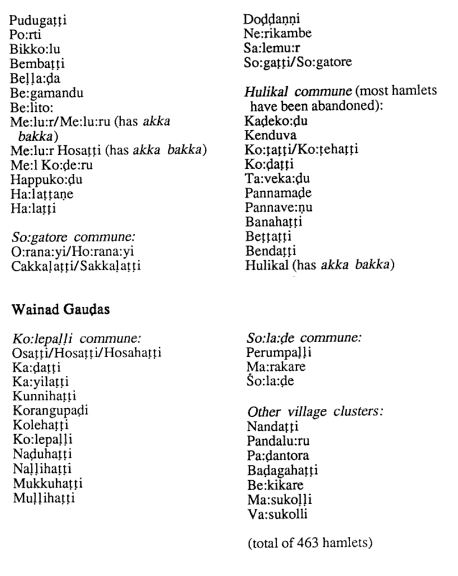
Another very useful and in my opinion a great source of interesting information on Badagaru Dhoddaru Shloka (proverbs) along with dictionary is
Counsel from the Ancients: A Study of Badaga Proverbs, Prayers, Omens and Curses
I understand that Nelikolu Trust is bringing out a Badaga – Tamil – English (authored by Dr.Haldorai) soon. It must be very interesting since Tamil, understood by many Badagas, is included.
Badaga or as some like to call Badagu, is a ‘classic‘ and independent language spoken by Badagas of the Blue Mountains or the Nilgiri hills, in north -west Tamil Nadu, bordering Karnataka and Kerala.
Though it is unique by itself, it can be said to be akin to Halaiya (old) Kannada more than any Dravidian language. But due to the geo – political reasons, it is more and more identified with Tamil.
Unfortunately, some over enthusiastic scholars and elders have been trying to eliminate the sound ‘ha -ஹ ‘ which is an integral part of the Badaga language and replace it with ‘ah- அ ‘ with some unacceptable justification that these letters (as well as letter like Ja ஜ, Sa ஸ, Sha ஷ ) do not form part of pure/classical Tamil though they are very much in day to day usage. .
Let me elaborate and justify why ha and other letters, like ஜ, ஸ, ஷ etc should remain as a core letters/sounds in Badaga.
A Badaga village is known as Hatti (ஹட்டி) and not as அட்டி.
Our deity Goddess is Hethe – ஹெத்தே and not Athe எத்தே
Some day to day words starting with ha
Haalu – ஹாலு – milk
Habba – ஹப்பா – festival
Hannu – ஹண்ணு – fruit
Haavu – ஹாவு – snake
I intend opening an exclusive blog to high light the importance and necessity of retaining these sounds/letters like Ha ஹ, Ja ஜ, Sa ஸ, Sha ஷ
Jana ஜன – people
Janni ஜன்னி – cold
Jakkadha – ஜக்கத – the famous hatti (village)
Hasu ஹஸு – hunger
Hethe nangava Harichali – ஹெத்தே நங்கவ ஹரிச்சலி
Let Hethe bless us !
Posted in badaga

Let us start seeking the blessings from the most neglected elders – our parents.
1. Ollithagi, ondhu saaviraagi, ko endu korasi, bo endu bokki, nooru thumbi, naadu jaradu, dheera p(b)oorana aagi, baddukki ba
[Let everything become good, let one become a thousand(wealth), let ‘ko’ be the call, let it boil as ‘bo’, let 100 (years) be completed, visit all [over] nation(s), be a great and enlightened person & come back with all these.
2. Ollitha Ethi, Hollava Thalli, Olagodho Ellava Geddu Ba
[Leave all that is bad, take all that is good , come back winning all/everything in this world]
3. Enna maathi / hennu, , sangatta salippu elladhe ollenge iru, paddipperi mundhuga hesarethi baa, hoppa dhari, Bappa Dhari yo, edinjillu elladhe ollange agili, Nee olagava hedithu ba !
[ Oh my son/daughter, let you live well without any disease or discomfort, let you become famous and may education take you forward, wherever you go, let there be no interruptions or hindrances and may you come back safely. May you rule [lead] the nation (with your wisdom)]!
Full text :
ondhu, ompaththu aagali,
ondhu, saavira aagali,
harachchava kodali, sogava kodali,
baNda hechchali, badhukku hechchali,
bE hechchali, haalu hechchali, haNNu hechchali,
manE katti, maaru kattili,
ondhu manE, saavira manE aagali,
beNNE bettu aagali, thuppa theppa aagali,
hulla muttilE hoo aagali, kalla muttilE kaai aagali,
honna muttilE sinna aagali,
bettadhudhu bandhalEyu, beraluga adangali,
attudhadhu bandhalEyu, aangai adangali,
Kattidhadhu karEyali, biththidhadhu bEyali,
aanaiya balava kodali, ariyaa siriyaa kodali,
budhdhi bevarava kodali,
uri hOgi, siri barali, siri sippaaththi agali,
HOppa edE, bappa edE ellaa, oLLiththE barali,
nooru thumbi, naadu jaradhu, dheera pooraNa aagi,
OLLiththa Eththi, Hollava ThaLLi, olagodho ellaava Gedhdhu,
sangatta salippu illaadhe,
hoppa dhaari, Bappa Dhaari yo, edinjilu iLLaadhe,
padippEri mundhuga hesareththi,
kumbE kudi haradha engE, angaalu muLLu muriyaadhE,
kO endhu korachchi, bO endhu bokki,
ManE thumba makka hutti, gOttu thumba sosE kondu,
paava pariya nOdi, olagadha hesaru eththi
badhukki baa
மனே கட்டி, மாரு கட்டிலி,ஒந்து மனே, சாவிர மனே ஆகலி,
பெண்ணே பெட்டு ஆகலி, துப்ப தெப்ப ஆகலி,ஹுல்ல முட்டிலே ஹூ ஆகலி, கல்ல முட்டிலே காய் ஆகலி,ஹொன்ன முட்டிலே சின்ன ஆகலி,
பெட்டதுது பந்தலேயு, பெரலுக அடங்கலி,அட்டுதது பந்தலேயு, ஆங்கை அடங்கலி,
கட்டிதது கரேயலி, பித்திதது பேயலி,
ஆனைய பலவ கொடலி, அரியா சிரியா கொடலி,புத்தி பெவரவ கொடலி,
உரி ஹோகி, சிரி பரலி, சிரி சிப்பாத்தி அகலி,
ஹோப்ப எடே, பப்ப எடே எல்லா, ஒள்ளித்தே பரலி,
நூரு தும்பி, நாடு ஜரது, தீர பூரண ஆகி,
ஓள்ளித்த ஏத்தி, ஹொல்லவ தள்ளி,
ஒலகொதொ எல்லாவ கெத்து,சங்கட்ட சலிப்பு இல்லாதெ,
ஹொப்ப தாரி, பப்ப தாரி யொ, எடிஞ்சிலு இல்லாதே,
படிப்பேரி முந்துக ஹெசரெத்தி,
கும்பே குடி ஹரத எங்கே,
அங்காலு முள்ளு முரியாதே,
கோ எந்து கொரச்சி,
போ எந்து பொக்கி,மனே தும்ப மக்க ஹுட்டி, கோட்டு தும்ப சொசே கொண்டு,
பாவ பரிய நோடி, ஒலகத ஹெசரு எத்தி
பதுக்கி பா
English Translation
Let prosperity/good deeds increase nine folds,[ondhu – one, ombaththu – nine, aagali – happen]
Let a prosperity increase a thousand times, [saavira – thousand]
Let good health and happiness be bestowed[haracha – health, soga – happiness, kodali – given]
Let the cattle wealth / livestock (number of buffalows and cows) increase[banda – cattle]
Let wealth increase[badhukku – wealth]
Let the (sown) crops increase[bay – crops)Let the milk (yield) increase[haalu – milk]
Let the fruits increase[hannu – fruits]May you build (your own) a house[manay – house, katti – build]
May you get married[maaru katti – marriage]
Let one house become a thousand[may your family increase]
Let the butter [yield] grow to a mountain,[bennay – butter, bettu – mountain]
Let ghei (clarified butter) made become large like a well[thuppa – ghei, theppa – well]
Let grass turn to flowers and stones to fruits when touched[Hullu – grass,muttilay – touched, hoo – flower, kallu – stone , kaai – unripe fruit]
Let iron turn to gold[Honna – iron, sinna – gold]
Even if trouble comes in huge amount like a mountain, let it be contained in a finger[betta – mountain, bandalay – coming, beralu – finger, adangali – contained]
Even if trouble comes like a deep valley, let it be contained in the palm (fist)
Let the tied cow give milk,[kattidhadhu – tied, karayali -milking]
Let whatever is sown ,grow well[biththidhadhu – sown, bayyali – grow well]
Let the strengh of Elephant be bestowed (on you)[Aanay – elephant, bala – strengh]
Let a lot of happiness be given,[siri – happiness]
May you become intelligent and wise[budhdi – intelligence, bevara – wisdom]
Let jealousy vanish and happiness prevail[uri – jealousy /envy]
Let happiness increase many fold [sippathi – manyfold]
Let only good things happen wherever you go and come[Hoppa – going, bappa – coming, eday – place, olliththu – goodness]
Let you live to be a full hundred with lots of wisdom so as to make others wonder(envious)[nooru – hundred, thumbi – full/filled, naadu – nation/others, jaradu – envious, Deera – wisdom, poorana – complete /lots, aagi – become]
Take only the good and leave behind the bad[olliththu – good,eththi – take, holla – bad, thalli – leave behind]
May you win all in this world[olaga – world, ellava – all, geddhu – win]without any worries and problems,[sangatta – worries, salippu – problems/hesitation]
Let there be no hindrance on your ways[dhaari – path /way, edinjallu – hindrance]
Let you come up in life with wisdom given by education[paddippu – education, mundhuga – coming forward]Like a pumpkin plant that grows and spreads[kumba kudi – pumpkin plant, haradu – spread]
Let not thorns stop your steps[Aangaal – foot, mullu – thorn, muriyadhay – embed (in the sole)
Let your name and fame spread wide and far and called by all and overflow[korachi – calling, bokki – overflow]
Let your home be filled with children[makka – children, hutti – born]
and let there be many daughters in law[gottu – corner, thumba – full, sosay – daughter in law]
May you look after your dear and near ones[pava paria – near and dear ones]
Earn a great name in this world [hesaru – name, eththi – earn]And live with PROSPERITY
(sources : My mother (late) Hubbathalai B.Idyammal , Appukodu Lakshmi Ammal, Balasubramaiam’s ‘Paame’, Sivaji Raman’s ‘Badaga Samudhaayam’ and own interaction with badaga village elders)
:::::::::::::::::::::::::::::
:::::::::::::::::::::::::::::::::::::::::::::::::::::::::::::::::::::::::::::::::::::
December 4th, 2018 is the 125th birth anniversary of Rao Bahadur Hubbathai Bellie Gowder ARI GOWDER, a great Indian and a great Badaga.

Rao Bahadur H.B.Ari Gowder, the first Badaga graduate, first Badaga M.L.C & M.L.A for a long time( in the 1920s, 30s and 40s) at the time of British Raj, had brought many reforms in/to Badaga Community in particular and the other tribals of the Nilgiris in general.
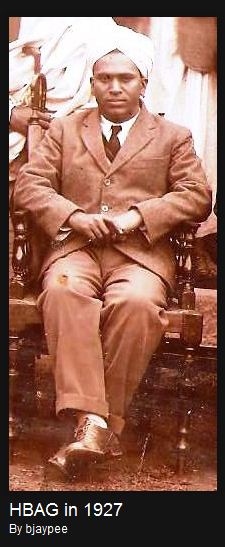
He was the leader of the Badaga community and his words were taken as final. He would preside over the Nakku Betta Badaga gathering at Nattakal near Kotagiri, known in Badaga as “KOOTTU”.

Ari Gowder was honoured by the British Empire on many occassions.


May 15th is Badaga Day and is celebrated as Ari Gowda day.
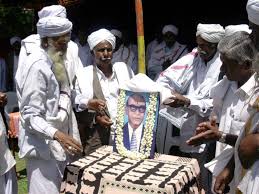
Ari Gowder’s father Rao Bahadur Bellie Gowder was the engineering contactor responsible for laying the Nilgiri Mountain Railway from Mettupalayam to Ooty (the work was completed in 1908).After his death in 1935, Ari Gowder was the Railway contractor of this sector till his death in 1971.
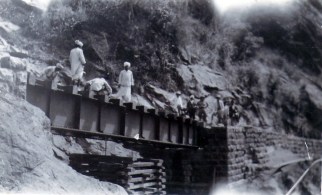
Ari Gowder lead the Indian contigent (yes, “INDIAN CONTIGENT) to World Scouts Jumboree held in Budapest in Hungary in 1932.

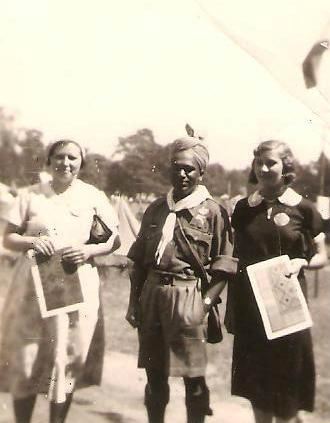
Being a great philanthropist, he had done a lot for the betterment of Badagas and other tribal communities of the Nilgiris. He was instrumental to establish Nilgiri Co-Op Marketting Society (NCMS) at Ooty, to save the small farmers-especially Badagas- from the exploits of middlemen & traders at vegetable mandis in Mettupalayam.
He was also the Nilgiris District Board Chairman and the (road) bridge built in 1936 connecting Tamil Nadu and Karnataka states at Kakkanalla, Masinagudi (Guladur) is named as Ari Gowder bridge.
He was the President of NCMS for more than 30 years, till his death and during his time, NCMS was considered as one of the best co-op societies in India. His statue has been erected in the NCMS at Ooty in appreciation of his great work for the society.

Since he donated the land, the road in front of Mambalam Railway Station in Chennai (Madras) is named after him (known as Ariya Gowder road).

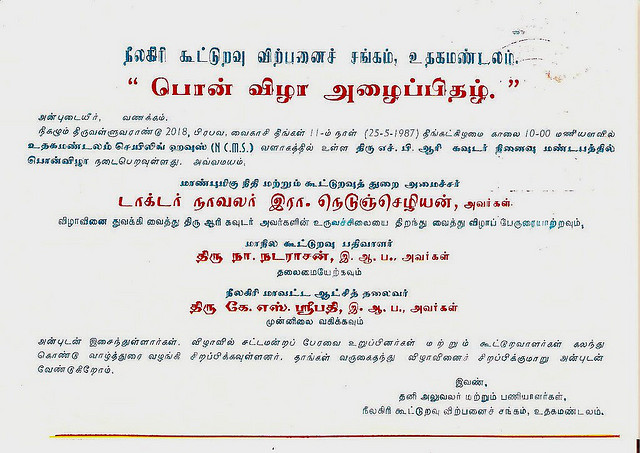
Posted in badaga
This year, the Hethe Habba will be celebrated on 31 Dec 2018.
To know more about Hethe and Hethe Amma history, click on the pages given above.
You can read Hethe Amma history here
and download (pdf) here
May Hethe Amma’s blessings be showered on you and your family !
Posted in badaga

Now you can access our website www.badaga.co on your smart phone.
Remember to access many multi media posts like Badaga Songs and Dance.
 Enjoy! Your feedback is most welcome!!

What we know about Badaga, both language and people, is less than what we DO NOT KNOW ABOUT THEM

my mother, Mrs.Idyammal Bellie Gowder,

my uncle Rao Bahadur HB Ari Gowder and

my grand parents Rao Bahadur HJ Bellie Gowder and Nanji Ammal
Barivi, Nodivi, Oridivi, Odhivi !
Now you can access our website www.badaga.co on your smart phone.
Remember to access many multi media posts like Badaga Songs and Dance.
Enjoy! Your feedback is most welcome!!
 | Mahesh Joghee Gowder on Proud of you DEVA HENNU ! |
 | Supriya Subramani on Tribal Status of the Bada… |
 | inventive71d7cc920c on Seemae [See’may] & M… |
| Riya on Seemae [See’may] & M… |
 | sekaran on History of Beragani Hethe |
 | Krish on Marriages between hattis from… |
 | Joghee Raman on Ari Gowda – 132nd Birth… |
 | Must Visit to know a… on © Copyright |
 | Gokul Gowder on Lt. Meera, First Badaga Lady N… |
 | Elisabeth Jensen on Nice to see these ladies with… |
 | Meghna on Learn Badaga |
 | Gokul on Seemae [See’may] & M… |
| Mahesh Joghee Gowder on Indrani Radhakrishnan at Cambr… |
 | freemortally2a5fac29… on Hethey Habba at Hubbathal… |
 Proud to be an Indian : Proud to be a Badaga
~~~~~~~~~~~~
This website is Designed, developed and maintained by Wing Commander Bellie Jayaprakash ~~~~~~~~ |
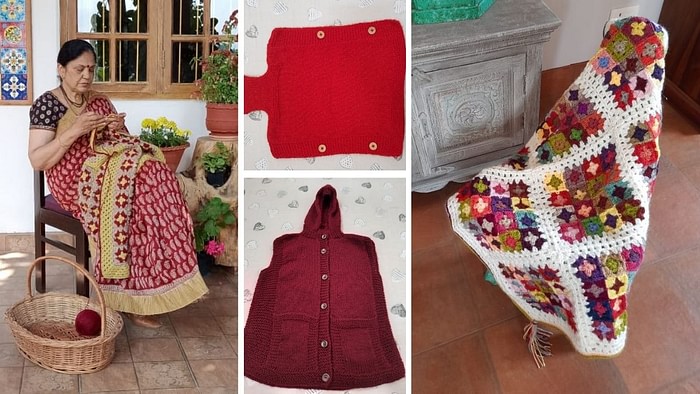
Tara's Creations
Namaskara – Greetings [Namasthe – Vanakkam],
Ollengay Iddhaya? – How are you?,
Ninna Hesaru A’ena? – What is your name?,
Maduvay aagi buttava? – Are you married?,
Nee a’ hattigha koodidhe? – You are married to [the boy/girl from] which village?,
Appara Santhosha – Thank you very much.
Aakkaday – That side,
Eekkaday – This side,
Horasu – Outside,
Baa – Come,
Bannay – [I] will come,
HOnay – Will go,
Hadadha’ya – Is it there?
KaaNay – Missing
>>
More than 1028,000 visitors
################################

::::::::::::::::::::::::::::::::::::::::::::::::::::::::::::::::::::::::
Aakkaday - That side, Eekkaday - This side, Horasu - Outside, Baa - Come, Bannay - [I] will come, HOnay - Will go, Hadadha'ya - Is it there? KaaNay - Missing
<><><><><><>><><>><><>
More than 1026,000+ visitors
################################
:::::::::::::::::::::::::::::::::::::::::::::::::::::::::::::::::::::::::::::::::::::
Now you can access our website www.badaga.co on your smart phone.
Remember to access many multi media posts like Badaga Songs and Dance.
Enjoy! Your feedback is most welcome!!
 In Badaga, MOON is ‘THINGUVA’, Full Moon is “HUNNAWAY” & New Moon is “MUTTU”
☂ ☂☂☂☂☂ ☂
|
|
Do you feel very strongly about any issue concerning Badaga Community? Have the urge to pour your heart out ? Feel free to express yourself without any inhibition and send them to bjaypee@gmail.com


Tiger is HULI in Badaga Lanuage

Here's a question that was posed to the Dalai Lama:
"What thing about humanity surprises you the most?"
His answer is : "MAN - Because he sacrifices his health in order to make money. Then he sacrifices his money to recuperate his health. And then he is so anxious about the future that he doesn't enjoy the present,
And as a result he doesn't live in the present or the future. And he lives as if he's never going to die and then he dies having never really lived".
Donate Your Eyes
 ==
==





 Mookuthi
  Chinna