Badaga Origin, some clarifications – Paul Hockings
(in an email dt 22 Dec 2025)
In recent years I have heard from various people that there is nowadays a groundswell of belief, at least among some Badagas, that their distant ancestors did not originate in southern Mysore several centuries ago. As those people were non-literate until the middle of the 19th century there is little historical documentation to rely on, although the visiting Italian priest, Father G. Fenicio, did meet with Badagas in Melkunda in 1603, and they told him through an interpreter that they had come from Mysore to the north.
This is essentially what modern anthropologists have learned too, and before them there were about twenty writers in the 19th century who were also told by Badagas about an origin in southern Mysore. One cannot argue that every single one of those people was totally misinformed in this matter — especially when there was no good reason to mislead them.
So let me attempt to set the record straight. I must admit at the outset that, so far as my own investigations have gone, although there are today about 400 hattis inhabited by Badagas, I have only interviewed people in eighty of them. So what I can report here only reflects the memories of numerous elders in those eighty villages — and most of my data were collected some fifty years ago.
From their comments I learned that Ekkōṇi was settled from Kavaspāḍi or Sanjanagiri Math, in Karnataka; Ebbunāḍu was settled from Hosahaḷḷi, or else Urigaddige, both in Karnataka; Kaḍanāḍu was settled from Kakkadur-Karahaḷḷi in Karnataka; Kukal was settled from Gundalupete; Jakkatala was settled from Jakkalli; Cinna Kunnur and Keti andPūsekunnūr were all settled from Kongahalli; the former villages of Tudur, an ur in Mekunadu that was abandoned long ago, were settled from Accalli; Tudeguli was settled from Agasvadi;Nanjenāḍu was settled from Sanjanagiri Math in Karnataka; NunduaandKiyuru were settled from Urigaddige, in Karnataka; Mēlūr was settled from Urigaddige or Beḷḷādi; Suḷḷigūḍu was settled from Saragūru, in Karnataka; Sōlūru was settled from Sūḷūr in Karnataka; Hulikal wassettled from Honnahalḷi in Karnataka; Honnatale wassettled from Honnahaḷi in Karnataka; and some other Badagas claimed to have migrated from a village called Kāruḷūr, near Kaṇṇambāḍi, located about 15 km northwest of Mysore City.
Some Odeyas say they came from the Lingayat monastery at Hangala. Adikaris came from Mallikalli, near Nanjangud. Haruvas originated in Hosahalli-Girubetta. Another small Badaga group, the Kaggusis, originated in Tagadur or Hasanur. As for the large Badaga Gauda phratry, at least some of them came from Talemale. An exception is the small group of Badagas called Kongaru, as they came up from the plains of Kongunad to the southeast. I repeat that there is no reason to believe that Badaga elders who spoke about this matter made all these facts up to amuse outside enquirers.
(I strongly beleive that Badagas, as an indegeous community, existed many thousand years ago, along with/or much before other tribes like Todas, Kothas and Kurumas. Though, I concede, some sects/groups/villages, could have joined the original Badaga setters much later. For example Odaiyas/Lingaites/Thoraiyas. Odeyas and Thoraiyas are still not fully integrated with the main stream, so called Badaga Gowdas, by way of marriages, participation in funerals and celebrations of many customs/traditions associated with habbas (festivals).
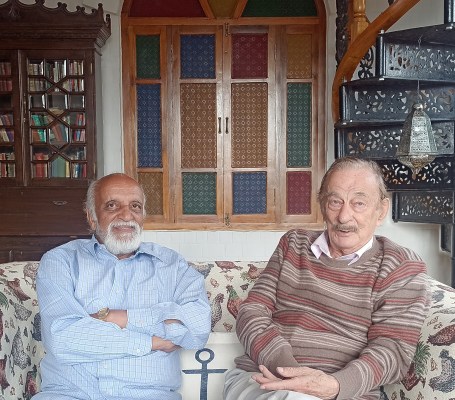
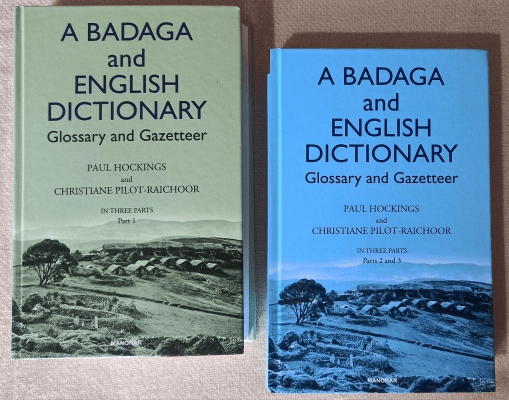
But for Prof. Paul Hockings (some) views, with which we may not agree, on the origin of Badagas, as he has explained/clarified above, full credit should be given to him for telling the world about the Badagas with his deep and extensive research on them for well over sevaral decades. Along with Christiane Pilot Raichur, his writings and books on Badaga language, have been very well received. Especially, their book on ‘Badaga English dictionary along with Badaga Proverbs’, is a treasure to behold.
It is a matter of great regret that certain Badagas targetted him for his view about some ancestors marrying non Badaga ladies, during his last visit to the Nilgiris, a couple of years back. They went to the extent of complaining to the police and literally forced him to return back to USA. – Wg Cdr Bellie Jayaprakash)
Anthropological study is the basis for considering scheduled (hill) tribe. So, it is considered as a relevant document in this regard. Anthropologists examine the cultural aspects, traditional vocations and customs for considering the tribal status. Badagas of the Nilgiri hills have lived long in isolation in that plateau. As the hill is the home land for these people for a long period, the hill tribe status for these people is obviously natural one. There is no doubt that their history goes back to very early period. There is reason to suppose that they are part of a wave immigration that swept them into South India before Christ1. Since then, they are identified with the Nilgiri hills alone. Their origin is buried among the secrets of the past. “A tribe, as we find in India is a collection of families or group of families, bearing a common name, which, as a rule does not denote any specific occupation, generally claiming common descent from a mythical or historical ancestor and occasionally from an animal, but in some parts of the country held together rather by the obligations of blood-feud than by the tradition of kinship, usually speaking the same language, and occupying, or claiming to occupy, a definite tract of country. A tribe is not necessarily endogamous” (The Imperial Gazetteer of India vol-1: 308). “The use of the word ‘tribal’ follows South Asian usage, refers to a type of societal organization and does not imply a lack of sophistication or of economic well- being. It usually does imply a certain amount of isolation in the past, if not the present. In this context ‘tribal’ contrasts with ‘caste’ as one of the major organizing principles of South Asian society. The Nilgiri plateau of extreme Western Tamil Nadu was almost totally isolated until the nineteenth century. It developed unique cultural complex of its own with at least four Dravidian languages spoken there. They are Toda, Kota, Badaga and Irula” (McAlpin 1981 :19) 2 .
Tribe versus Caste “Today we find no castes in Badaga society” (Hockings, Paul 2005:4) 3 . Badagas were not under the influence of caste system in any part of their history. In caste system a person’s social status was determined by his occupation. Although caste depended upon a person’s occupation it became hereditary in due course. So, it is inevitable to a person to live with an unalterable particular social status throughout his life. The traditional association between caste and occupation is far from dissolution. Badagas apparently changed their occupations to suit the environment. They never developed intrinsic bond with any particular occupation. It is to be noted that the very name Badaga itself is not derived from any occupation 4 . In India, most of the caste names are derived from occupations. Badagas major occupations were food gathering, honey collecting, hunting, buffalo rearing, millet cultivation (that too swift cultivation for some time), cash crop cultivation, etc., Among these a particular occupation was predominant at a particular time. And also, all the sub groups of Badaga community engaged the same occupation. In Badaga society the clans are created not by their profession and they are by birth. Badaga population was very small up to the beginning of the twentieth century and they spread over the entire Nilgiri plateau. In that case, for a long period there were very few families in a haTTi (hamlet) 5 and all the families were descended from a same forefather. So, there was a social compulsion to venture occupations in common. The origin of the caste system in India is shrouded, but it seems, it originated some two thousand years ago. Caste system is associated with religion and people were categorized by their occupations. Badagas’ religious beliefs were primitive in nature, so, the religious side of their social organisation was lacking to originate caste system jaati (caste) is used in India specifies a subdivision of a larger division varna (a concept based on colour or race). The varna concept is entirely unknown to Badagas. To uphold caste system the reincarnation belief played a major role. According to that belief after each life a soul reborn into a new material form. Badagas’ inclination towards ancestor worship is so strong. They do not have belief in the past and future births and do not have any idea about karma theory. One of the religious beliefs of Badagas is that all the dead are there in a particular place near mallaaDu, a western part of the Nilgiris, in astral bodies and the person who is going to die will join with them 6 . Unlike the varna system divorce and widow remarriage are prevalent among Badagas. Badagas do not suffer from any stigma of the kind the depressed castes do.
Egalitarian society Tribals usually constitute egalitarian societies. The Badagas held the individual in high respect. The names they christened to their children (e.g. booja = friend; gilla = man having stick in hand, a respectable; kuNDa = strong man; beLLa = pure hearted man; panne = beautiful woman; gavuDa = village chief, etc.) indicate the attention given to the individual. Likewise, their respect for individual is evident in their treatment of the dead. They were buried individually in the earliest days, under mound. The society was not held together by a king or an employer. Individuals had their roles as warrior, protector, priests and artisans. Where there was crisis, the people gathered in an assembly and took decision. The society was governed by the people themselves. During their agricultural vocational period, that is during the last one and half centuries the families had mostly the equal share of property. Then the gap between rich and poor was very narrow. They had even common buffalo shed called ‘tho’ (kraal) and at times they had taken buffalo grazing as a common venture. They constitute a near egalitarian society at most part of their dwell at Nilgiri hills.
Occupation Badagas are professing agriculture since the second half of 19th century, that too up to middle of 20th century they were millet cultivators. Anyhow, once their occupations were buffalo rearing, hunting and food gathering. These occupations were there along with their agriculture up to the middle of last century. Once ganje (barley), korali (Italian millet), saame (little millet), eragi (finger millet), etc., were the popular and staple food grains among Badaga people. Popular kinds of bread were pottiTTu (wheat dosai) and tuppadiTTu (confectionery). They were made with wheat flour. Their food is simple and whole some. Culturally, once most of the Badaga families were living a nomadic life in Nilgiri plateau. They had no permanent settlement. They lived in thatched sheds called hullumane (hut). They never think of using buffaloes for meat. Nor did they traditionally sell their milk. It was given away free to poor members of the community. Selling milk is like selling their own prestige. The only commercial product of milk was the butter. They sacrificed he-buffalo on certain festivals and funeral of males. The she-buffaloes were considered one’s capital and they never think of their sale. On some occasions men move from their families with their buffaloes for better grazing. Badaga tribe is definitely a territorial group. The Nilgiri is the territory of Badagas and emigrants always refer to it as their home.Badagas entertain a close relation with the Nilgiri tribes and they were economically interdependent.
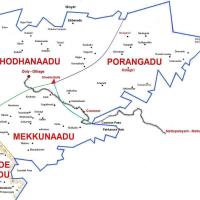
Tribal council The Badaga tribal council is so powerful and it exercises considerable control over the community. Among Badagas the elementary unit of society is the mane (family). Children are important part of mane and they are treated with kindness and indulgence irrespective of their sex. Badagas have another wider unit called kuDumbu (consists of few families). Once production of food was a corporate responsibility of the extended family and it was the function of mane to see that food was economically used. Each kuDumbu has a doDDamane (a ceremonial house) which gets importance during festivals, marriages, deaths, etc. All the disputes among the family members are tried at kuDumbu assembly. Few such kuDumbus exist in a haTTi (hamlet). Each haTTi has a doDDamane (ceremonial or principal house) and a ‘manda’ (council). The village ‘manda’ (council) plays an important role in shaping the society with moral standards. It is headed by a headman called ‘gavuDa’. Each village had its headman, who is assisted by few elders and decided public matters such as disputes, differences, etc. The village ‘manda’ is there as not mere council for deliberation, but acted as a strong organ of executive work. There are three levels of headmanships viz., gottugaara (headman of an haTTi, hamlet), gavuNDikke (headman of an uur, a larger area, mostly consists of few or more haTTies ), gavuDa (headman of a siime ). These hierarchic levels show how the system is vogue vigorously and systematically. Unresolved disputes at kuDumbu level come to the village assembly and then to uur and then to naakkubeTTa (tribal assembly). The Badagas are divided in four naaDus or districts and are ruled by gavuDas, tribal chiefs.
Religion Badagas’ religion seems to have been one of the very primitive types, predominance with ancestral worship. Badagas consider their ancestral houses as their temples. Special rites are performed in their ancestral house twice or thrice a year. Any Badaga can act as a priest but among the clan agnates. The essential features of ordination are abstained from meat eating for few days, preparing himself for poojas like taking bath in stream, sleeping at temple, etc. Places of worship of Badagas and nature co-existed beautifully. There are nearly no devotees on ordinary days. But on the occasion of festivals which falls yearly once large numbers of devotees turn up. Their ancestor is known as devva (corrupt form of deyvam). The festival of devva is also the harvest festival of Badagas celebrated alike throughout the community. devva festival is a living tradition in which almost everyone in the village participates making it a real social thread connecting the entire society. devva still remains untouched and is performed year after year with unprecedented pomp and splendour. Because of the universality, it is firmly rooted in the religious faith and tradition. In Badaga tradition juvikiNDi (water jar), ele kannaaDi (bronze mirror), jegaNDe (victory bell) represent the very deity itself and these articles get pooja once in a year that too on devva festival. Except this festival days rest throughout the year these articles are kept in a hidden place at forest. Goddess hette, a prominent deity, worshipped by the Badagas of Nilgiri hills, is in reality an ancestor that has been deified. hette is a popular deity of local origin. There are fourteen known Hhettes worshipped and numerous rites and ceremonies centring on propitiation of goddess Hette.
Badagas claim no divine origin for their religious beliefs. Their customs are mostly pragmatic and relevant to their day-to-day life. Their marriage customs also do not reveal any supernatural underpinnings. Badagas observe pollution and ritual purity in limited ways. The religious activities of the Badagas are very limited. They themselves perform the rituals. For Badagas their tribe is sacred. They believe in next world and they don’t have rebirth theory. For them the way to salvation is their tribe. Badagas have remained comparatively free from vedic religious influence.
Clan Badagas are scattered widely over the hills and their hamlets amount to nearly four hundred in number. The whole people are closely connected by totemistic clans and intermarriages. The Badagas are endogamous tribe divided into exogamous clans. The clans are correlated not only with exogamy but also with totemism. Residences being patrilocal, the Badagas are patrilineal people. Patrilineal descent (or agnate) is descending from an ancestor down through a series of male links. Breach of the rule of clan exogamy is regarded as highly dangerous in so far as it entails disastrous socio-religious consequences. Inheritance of property takes place only through the male line. Hence the Badaga clans furnish a good example of social organization based on clans. Badagas have fifteen totemism clans after animals or material objects. People of a clan are agnates and hettappa, a common ancestor is the binder among a clan. The tribal scenario of India shows the prominent example of the clans. In consonance with that Badaga maintains its own exogamous clans through the ages. It is the exogamous character of a clan that makes it a distinctive group. Marriage is one of the causes for kinship relation. The existence of totemism in Badaga society on a large scale has been brought to notice in recent years. Badaga society is broken up into a number of totemistic clans. Each clans bears the name of animal [kastuuri (musk deer), aane (elephant), naaga (cobra), selandi (spider) ] or material [beLLi (silver)] or natural objects [ maari (rain), kooveeri (river kaveri), maduva (honey)]. The members of such a clan may not intermarry. In a peculiar way, in Badaga society the names of geographical territories also came into being for identifying the clans. In consequence territory determined names diminished the use of totemistic names. But in bottom line totemistic exogamy prevailed on a fairly large scale and still in active operation. The American anthropologist Dr.Paul Hockings and others pointed out their totemistic clans. The clans are exclusively patrilineal groups. According to F.Metz (1864) the Badagas recognise eighteen classes, each of which has its own peculiar characteristics. S.M.Natesa Sastri (1909) simplifies this into six septs. Paul Hockings (1980) identifies sixteen totemic clans among Badagas. They are 1.sooriya kola, 2.sandira kola, 3. baraTa kola, 4. brammma kola, 5. beLLi kola, 6.selandi kola, 7.kooveeru kola, 8. madure kola, 9. kastuuri kola, 10. mallige kola, 11. anniya kola, 12.maari kola, 13.madave kola, 14. maaNikka kola, 15.naaga kola and 16. saamandi kola. Totem and exogamous divisions do co-exist and totem is primary. It is obvious that the clans are the major criterion for identifying the Badaga groups and their totemic identifications also once popular.
Culture Badaga culture was evolved in the Nilgiri hills and mainly under the stimulus of the Dravidian environment. Badagas had earned a reputation of being peace loving people as well as diligent workers. The nature of their hospitality is praised whoever had a chance to contact them. The hospitality of Badagas is unparalleled anywhere in India. Any family, however poor, will not allow you to leave without having at least a cup of tea. Prior to the advent of coffee and tea buttermilk was offered to guests instantly.
Folk-culture is so strong in the Badaga land. There is an unrecorded vast folk culture found in Badaga land. In fact, this is the real treasure of this simple people. The roots of Badaga culture lie in its folklore. The fables of this peace-loving people are inspiring. The songs and dance are enchanting. It has been a part of their lives unknowingly. The interesting part is, in Badaga dance that is not just the audience who enjoy the show the participants did as well. Dancing and singing were considered pastime for a tribal community. Badaga dance is in itself unique and interesting. Normally it falls into a pattern 1-2-3 steps. And then, they have to move according to the co-dancers. The music too represents the theme of rural life. The popular game among the Badagas was hagaru, in which one bats a ball with a bat and others run and catch.
Badaga funeral ceremony is complex. They consider performing the funeral of their kin, especially of elders is most important one and they tried to perform the funerals in traditional order with utmost care.
Badagas have their own lunar and solar time reckoning calendar7. They are using their own instruments to measure grains 8 . Their food habits and recipes still hold distinctive character. Badaga wedding is relatively simple with fewer rituals. As soon as bride enters to the bridegroom’s house with a pot full of water, the wedding got over. In olden days even the garland exchanging rituals between couple was not in vogue. As per their tradition, the wedding costume is not grand. Simple white clothes are used for the wedding ceremony. Women have prime importance in wedding ceremonies. The mother-in-law welcomes her daughter-in-law by offering water for cleaning her feet. Dowry is unknown in Badaga marriage. They perform their own traditional rituals on puberty, house warming, birth, etc., The un-sewn white garments worn by men and women vary widely from others and it stood as fundamental ingredients of cultural ethos. Their houses were uniform in nature with slopping tiled roofs, short wooden doors, mud floors, open verandah with pials and two rooms (one is allotted for males and another is for females) Badagas evolved from humble family background. As one of the primitive traits the shyness of contact with the public at large is seen with them even today. Badagas have their own tribal medicinal system. Badagas have the system of patrilineal family descent. The lineage group is extended to include all those to be related through common descent forms a clan. Badagas have the tradition of naming their children with the names of their own grandparents. Due to this the proper names like booja, beLLa, kuLLa, kaaDe, maasi, micci, etc., were so common among Badagas. In this way they paved the way to know the names of their ancestors up to the very ancient times.
Language Badagas have a distinctive language of their own and it belongs to the Dravidian family of languages. The Badaga language is a dominant spoken language of the Nilgiri hills of Tamil Nadu. Although Badaga language is considered as uncultivated because of its lack of writing system and literature, it fully serves the purpose of Badagas. Study of the Badaga language is important from the point of view of the culture, habits and social attitudes of the Badagas. In Tamil Nadu, next to Tamils Badagas are the second largest linguistic group who speak indigenous language of the state. Badagas are unadulterated by outside influence for a long period. They retain many old and distinct features. Due to this Badaga language preserves many words that are archaic in Dravidian languages. A careful study of the Badaga words reveals to us much of the life and thought of the ancient Badagas. Language is a powerful mode of transmission of cultures. So, the language factor is also a basic factor for considering tribal status. Most of the tribes in India are bilinguals. But as an exception to this Badagas were monolinguals comparatively for a longer period. Once lingua franca of the Nilgiris plateau was Badaga and there was no major language within their reach. However, bilingualism is seen with the present generation.
Foot-notes
The Badaga tribe of the present order is formed in a peculiar way. Among Badaga clans, major clans are there at Nilgiri hills from the ancient times. Subsequently few clans joined with them in different times of the history and few new clans were created by the way of marrying female members non Badaga males. If any one considers the entire Badaga tribe as a whole, normally he fails to understand their history well.
David W.McAlpin, 1981, Proto-Elamo-Dravidian, The evidence and its Implications, The American Philosophical Society, Philadelphia.
Hockings, Paul, 2005, Badaga Kinship rules in their socio-economic context, Anthropos vol-77, HRAF Publication Information, New Haven Conn Hockings, Paul is a well-known Anthropologist who did extensive study on Badaga.
Badagas mention their language as baDugu and their community as baDugaru. In English the term Badaga is used for both language and community. Anyhow, because of acquaintance with the kaalaamukha saiva in good old times, the common name Badaga had come to being from the term buudibaDaga (a man who applies ashes to his body, Lord Siva). The ethnologic Badaga is of the indigenous Dravidian origin and in this respect, it does not differ denomination of other Dravidian tribes.
The name haTTi derives from the old word paTTi which means cattle (buffalo) pen.
This belief is expressed apparently in one of their death ceremonies called ‘battaarsikkoodu’ (praying with saamay). In that ritual an elder agnate recites as ‘indu satta aNNa or tamma or …beTTuno, peeruno, gumbuno, goDano elli iddaleyu jaati janava kooDa seerali endu battaarsikkiniyo (The dead one may wander around a hill or in a marshland or in a thicket or in a gorge. Wherever he/she is, we pray for his/her safe journey to join with his/her people). The ballads koolitippe, haTTitippe, etc., narrate this concept elaborately.
kuuDalu, aalani, nallaani, aani, aadire, peeraaDi, aavaaNi, perattaadi, doDDadiivige, kirudiivige, tay, and emmaaTTi are Badaga months.
maana (half litre), paDi (two mana), kooga (five paDi), makkiri (four kooga or twenty paDi), kaNDuga (twenty kooga or five makkiri), balla (four kaNDuga or twenty makkiri).
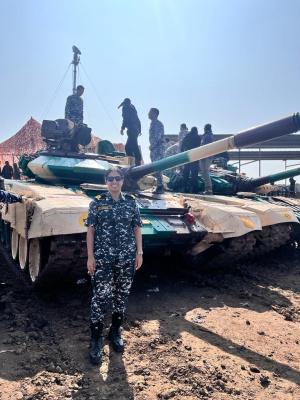
Lieutenant Meera, First Badaga Lady to have become a Naval Officer.
(Wing Commander Bellie Jayaprakash, Air Veteran, first Badaga to have joined Indian Air Force as an Officer in 1972)
I have been mentioning that there is a great opportunity for young Badaga women (as well as men) to join the Indian Armed Forces as officers. With a handsome salary, a safe future, excellent chance to serve the country, it should be the first choice as a job. There are many branches/streams in the three Military Services, including FLYING.
It was a great pleasure to meet Meera from Achanekal, Kethi, the First Badaga Lady to have joined Indian Navy as an officer in 2022. This smart young lady, who is on a short leave, had dropped in at my place and shared some of her thoughts. Daughter of Ravindranath and Malathi, Meera, did her schooling in various Kendra Vidyalayas around the country, since her dad was in the Armed Forces Medical Core (AMC). She did her graduation in Engineering from Hindustan Engineering College, Coimbatore. She worked in a private concern for three years, before deciding to join the Armed forces.
After passing the Combined Defence Services Examination and appearing in SSB (Services Selection Board) Calcutta, Meera was selected to undergo training at Officers Training Course at Naval Academy, Ezhimala, Kerala, in 2022.
Now, she is promoted as a Lieutenant and posted in AP. Surely she will get many more promotions and achieve laurels in her career in Navy. Being an inspiration, Meera is about to tie up the knot in blissful marriage with another Badaga Naval Officer.
We are proud of Meera and wish her the very best.
(Those young Badaga girls who wish to join the Indian Armed Forces may contact her at meeraraveendar08@gmail.com)
______________________________________
R.Meera, the first woman Naval Officer from Badaga Community, with her parents (DC)
B.Ravichandran wrote in Deccan Chronicle (30 may 2022) : R. Meera, hailing from Achanakal village near here, has become the first woman naval officer from Badagas, the single largest ethnic community in the Nilgiris. The villagers celebrated her rare achievement when she arrived at her native village on Sunday. Meera’s father M. Ravindranath alias Sundar has worked in the army hospital wing as a technical assistant. Meera, who started her education at the Kendra Vidyalaya in Aruvankadu near here, went on to study in the Kendra Vidyalayas at Pune, Delhi and Jammu before joining engineering at Hindustan Engineering College, Coimbatore. After completing her BE, her ambition for a career in the Indian armed forces made her take the Combined Defence Services examination. After clearing the examination, she also sailed through the interview at the staff selection board and was selected to join the Indian Navy. After completing 22 weeks of training, she passed out of the Indian Naval Academy in Ezhimala, Kerala, to become a sub-lieutenant to join duty in the naval armament inspectorate cadre in Kochi. She has thus become the first woman naval officer from the Badaga community. Meera said her life with her parents in north India helped her learn Hindi well and the army environment in which she lived gave her the confidence to try her luck in the armed forces. “Now, I feel proud. There are ample job opportunities for women in the armed forces. Women need to develop confidence and courage to take up a career in the armed forces and serve the nation. To be in the defence services itself is a special pride. They should also develop a strong will to achieve their goals,’’ she added. (https://www.deccanchronicle.com/nation/in-other-news/300522/meera-first-badaga-woman-to-become-naval-officer.html)
‘Kurinji – Nilgiris’ by the famous photojournalist Raghu Joghee
Raghu Joghee from Yedapalli Hatti and is personally known to me. He is simple, humble but a great person. He is actively involved in promoting for Badaga Tribal status along with Ganesh Ramalingam. – Wg Cdr JP
The village of Kattae-bettu, nestled in the Nilgiri Hills of Southern India, holds a name deeply intertwined with the natural world and the cultural heritage of the indigenous Badaga community.
The etymology of “Kattaebettu” is derived from “Kattae Hu Bettu,” a phrase that directly
references the unique and ephemeral Strobilanthes kunthiana flower, commonly known as Kurinji or Neelakurinji. This rare bloom, which blankets the hills in a vibrant purplish-blue hue once every twelve years, has profoundly influenced the Badaga people’s traditions, calendar, and sense of place.
The Kurinji Flower and its Significance
The Badaga community, an indigenous group primarily residing in the Nilgiri Hills, the Kurinji flower is more than just a beautiful plant; it is a significant marker of time and a symbol deeply embedded in their cultural fabric. The twelve-year flowering cycle of the Kurinji has historically served as a natural calendar for the Badagas, influencing their agricultural practices, social events, and even their oral traditions.The blooming of the Kurinji signifies a period of renewal and abundance, often associated with specific rituals and celebrations within the community.
Kattaebettu: A Name Rooted in Nature
The name “Kattaebettu” is a testament to this profound connection.”Kattae Hu Bettu” can be broken down to understand its meaning: “Kattae” likely refers to a specific type or characteristic of the flower or its growth, “Hu” means flower in Badaga and other Dravidian languages, and “Bettu” signifies a hill or mound. Therefore, “Kattaebettu” can be interpreted as “the hill of the Kurinji flower” or “the place where the Kurinji flowers bloom.” This naming convention is common among indigenous communities, where geographical features are often named after prominent flora or fauna, reflecting their intimate knowledge and reverence for their environment.
Cultural Influence on the Badaga Community
The influence of the Kurinji flower extends beyond the naming of a village. For the Badaga community, the cyclical blooming of the Kurinji has been integrated into their oral histories, folk songs, and traditional knowledge systems. Elders often recount stories and prophecies linked to the flower’s appearance, and its bloom is sometimes associated with specific agricultural cycles or even significant historical events within the community,
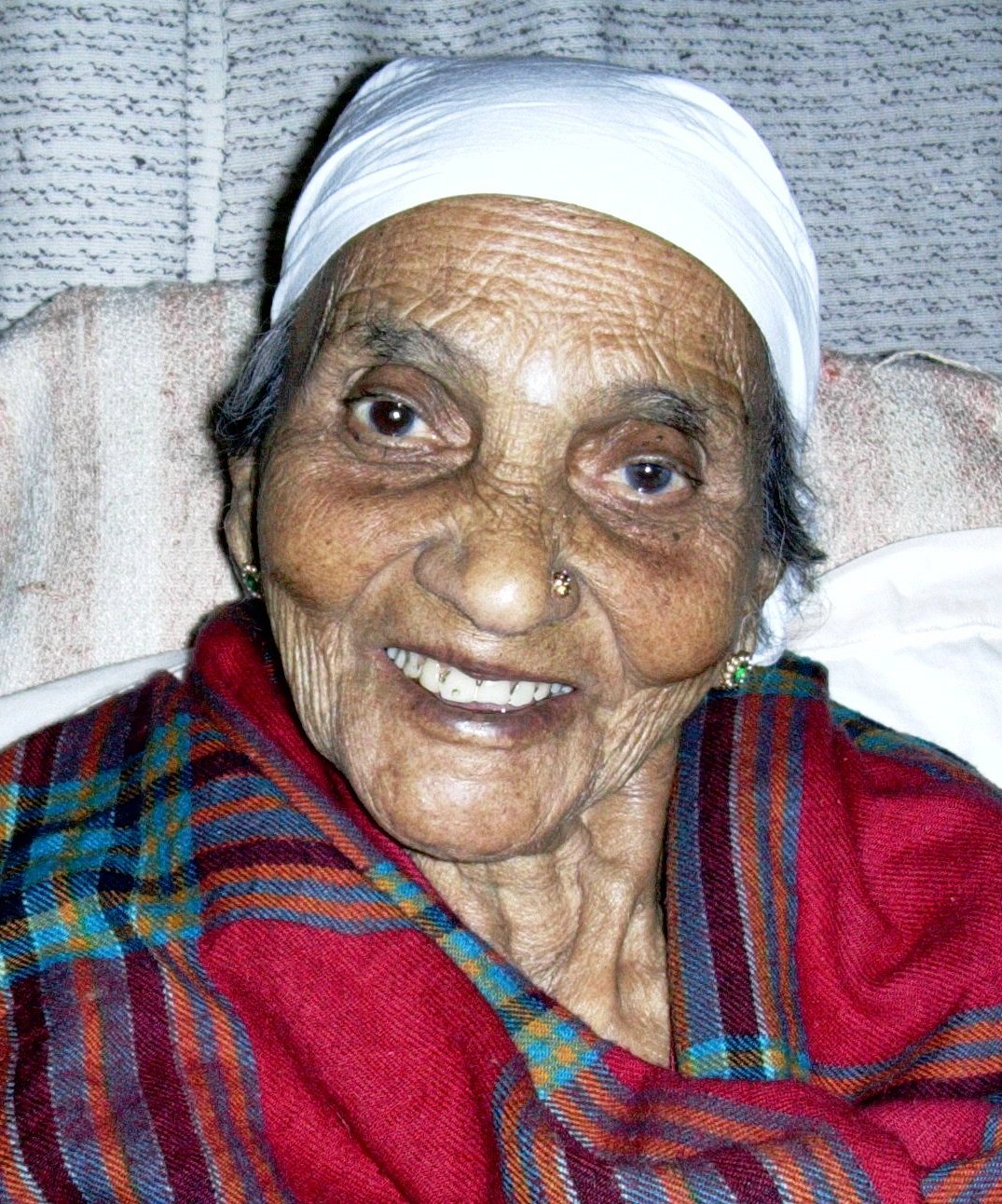
14th Death Anniversary – Mrs.Idyammal Bellie Gowder
You were everything for us for all those glorious 99 years and 10 months.
When we were preparing to celebrate the ‘century’, you chose to leave this earth just a couple of months earlier ….. to bless us all from the heaven far above.
Elle idhale’yu engava harachu [Bless us all from where ever you are]
Fourteenth Death Anniversary (13-7-2025)
Idyammal Bellie Gowder
Born
September 05, 1912 Hubbathalai, The Nilgiris
Died
July 13, 2011 (aged 99)
Parents
Rao Bahadue HJ Bellie Gowder and Nanji Hethe
Sister of
Rao Bahadur HB Ari Gowder
Spouse
B.K.Bellie Gowder [Bearhatti]
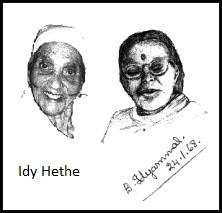
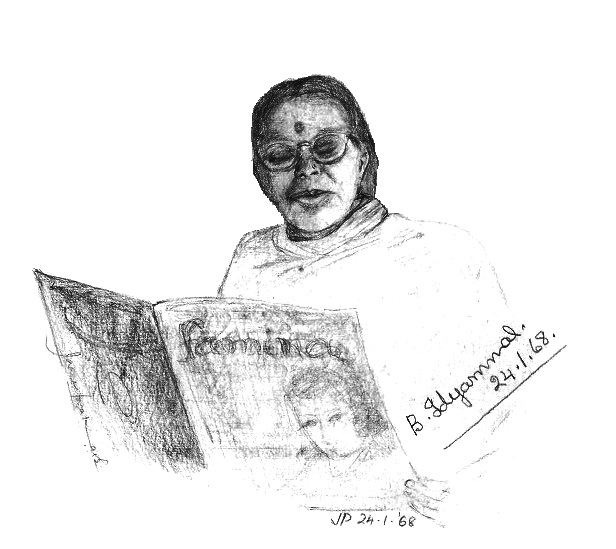
[Autographed pencil sketch of Mom by JP in 1964 while she was reading Femina ]
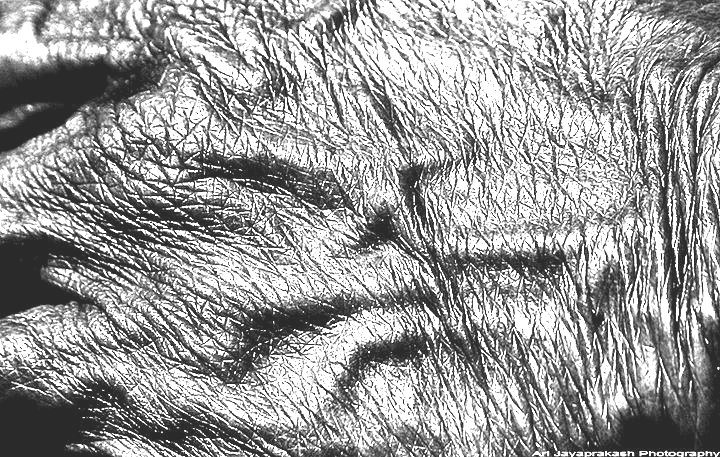
“I know my mother looks much older than what she is but those wrinkles have the charm of their own. They indicate the signs of her great endurance; and the hard life she has to lead through to bring her children to lead a life that is respected and regarded by others” – JP 24-1-68
Dear Hands
[Grace Noll Crowell]
My mother’s hands were beautiful, They are not always smooth and white They were so busy making dull And lusterless things clean and bright.
They reached so often to caress A hurt child crying in the night They moved as quick as fluttering birds Among the cups and spoons at tea
They did a thousand lovely things And did them all so graciously There is no way to sum them up The countless things she did for us.
[photo of Idy Hethe’s hand by her grandson Abhi Ari -2010]
In his book, THE GOLDEN BOUGH – A STUDY IN MAGIC AND RELIGION (1922) Sir James George Fraser (1854 – 1941) mentioned the following :-
Among the Badagas of the Neilgherry Hills in Southern India, when a death has taken place, the sins of the deceased are laid upon a buffalo calf.For this purpose the people gather round the corpse and carry it outside of the village. There an elder of the tribe, standing at the head of the corpse, recites or chants [known as - "KARU HARUCHODU"] a long list of sins such as any Badaga may commit, and the people repeat the last word of each line after him.
The more I listen to the song 'Kappu Uttileyu', the more fascinated I become. All the 12 Badaga months starting with Koodalu [given in Capital Letters] are beautifully integrated within the song.
Bugiri Music Academy presents Videos/Songs to bring about mindset change to Badagas
Hethegu Dhukkaththa - by Porthy SJ Mani
A great song that describes the evil practice among a few Badagas who despise other Badagas, known as Nattaru, settling in a village which is not native to them but probably have married from that same hatti (Vilage). Great lyrics, haunting music and a video with mainly Thooratti Village people in the cast.
Sholur G Raman is one of the greatest Badaga singers. Gifted with a golden voice, he composes his own songs and adds a lot of punch to the lyrics. His dance number " Mele Kerioge" is the hottest song for atta in any Badaga Function. A great singer and a simplton, music is in blood and has done a a yeoman service to spread Badaga songs far and wide,
Badaga dance is all about grace and style. It is a wonderful sight when a group of ladies dance together. During the funeral, the ladies of the parental village [hatti] of the deceased woman, dance going around the cot [kattalu] to the music provided by the 'host' hatti musicians.
English Translation of the above poem by Bellie Jayaprakash
My Mother
Even when I was down with poverty and sat at the front court yard,
Even when the near and dear ones despised and deserted,
My mother who gave birth, cared for and brought me up,
Did not blame me and did not reject me- her son, as bad
Even when I toiled as a Cooli with a bent back,
Even when I sat down with my looks dulled and dirty,
Even when I wore patched up old clothes,
My mother never said that I was down ; never rejected me as poor!
Even when I entered the stables and cleaned the dung,
Even when I sat on the rock and tendered the cows,
Even when I lifted loads to earn so as to suppress the hunger,
My mother never found any fault ; never scolded me as ignorant.
Dhoddaru Shloka
Some Badaga Proverbs [Dhoddaru Shloka]
~~~~~~~~~~~~~~~
1.Akka Ghandana koda dhukka hegile, Makka maria buttu baa ennana (When
sadness is shared with elder sister’s husband, his advise is to
come to him) 2. Aandama ellade Haandi Beya, Ullama ellade Gulla
beya 3. Kiviga elladadu kombuga aeththaga 4. Guttige [Kuttige?]
bathavu arai aaga beda, kunna thammanu mella aaga beda 5. Kumbala
kaaya [Kumbakkeya] saaki handiga kottenge (Growing pumpkins only to feed wild boar) 6. Gumboonda Mola edda enge [like a hare jumping out of the bush -element of surprise] 6a.Eragi holaga mola hugga enge [ like a rabbit getting into a wheat field -destruction by deceit] 7. Sadiga madi elle 8. Saththu biththa kaaye 9.Saththaduga hinde etha holae eana? (After death, how does it matter where you go?) 10.Saththa Koyee, baththa mukkirava ? (Can a dead hen feed on grains?) 11. Gollaru mada kattida enge 12.
Ghandu gundu, hennu helavu 13. Ghandu kulidu ketta, Hennu thirigi [hisithu] ketta (The boy wasted his life by idling/lazying around
(sitting), the girl wasted her life by smiling (turning around) at strangers 14. Ghanda thoorile, kandamanu thoorina [when the
husband neglects, everybody follows] 15. Ghanda ebbane buddi elle,
buddi bappane ghanda elle (Wisdom did not come when husband was alive, when wisdom came husband was not there) 16. Gana ellade
sande aaga, sangadhi ellade daari sameya (Evening does not end without gossip, way does not end without some news) 17. Koyigu
kothigu maake (Like a hen and a cat [always fighting]) 18.Koy(iy)a Kaethaa maasu arappadhu (Do you ask the hen [being
killed for dinner] for grinding the chilli paste?) 19. Kona neeruga baggiravo, neeru konaga baggiravo [Will the bull bend to
drink water, or, water bends for the bull? -Implying
impossibility] 20. Kothi aatta, eliga prana sangada (The antics of a cat are matters of death to a rat) 21. Kothi kaala baase
denge (Like the cat licking its leg) 22. Savi kanda kothi attalu hathidenege 23. Koduva cooli nodu, kathuva olaya nodu [keep a watch at the wages being paid (and hence get work done) and keep a watch at the burning embers in the kitchen] 24.Kodalia kaavu, kolava kedu maadira 25. Kotta hennu nela arige 26.Kotta saalava kaeyade ketta, bithida holava nodade ketta (Suffering
by not asking the loan to be returned, nor looking after the planted[with seeds] fields) 27. Kai yoge kannaadiya beethindu neerunamoga nodidha enge (looking for the reflection of the face on thewater when there is a mirror in the hand) 28. Kai eelu aaga guddili masiya [the implement not bend as per the shape of bones in the hand] 29. Kaiga bandadu bega elle (What came to the hand did not reach the mouth) 30. Ketta arasa buda beda mikka
kannava eda beda 31. Kulidhu athamaga kulidhu avvu, niddhu athamaga niddhu avvu (Cry sitting with the one who cried sitting
with you, cry standing with the one who cried standing - pay in the same coin- –
proper and equal reciprocation 32. Kuradaga hagalu ena er uena (How does it matter whether it is day or night for a blind
man?) 33. Sandhe jaamana meiyu, saaku hoththu bandha nattan uhoga (The evening rain and the guest who had come with a hessian
cloth[bag] covering will not go easily) 34. Sappodu saare, Haagottudoora 35. Chiikkavanaalayu Sivana buddi (Even though he is veryyoung, has lot of wisdom like Lord Siva) 36. Ollitha ethi hollava
thallu, olagodho ellava gellu (Take only the good leaving behind the bad and win all in this world) 37. Hallana neeru hattaleyu
baavi neeru hechu 38. Thaaya palichileyu neera pallicha beda (Even
if you [have to] show scorn to mother, never do it to water [the
source of life]) 39. Kasa aaleyu rusi maadi thinnu (Even if it
is rubbish, eat it after making it tasty) 40. Natta maneye
hattaleyu, ghanda mane hesara ethu 41. Kicha muttile attira (If
you touch the fire, it will burn you) 42. Hottiya kitcha beethale
kettara 43. Aaru kaasuna sambuva aaleyu, aranmaneya gelacha
maadu 44. Adhista mooru p(b)aala, harakke aaru paala 45. Kitcha
thindama karia Hedana (One who eats fire, excretes charcoal) 46.
Nanga belli holladale thattana koda horatta ena 47. Ghandana
ollithundhu undia dhottadhu ekka beda 48. Maneya nududhu mandhaga
hogu 49. Maathu hetchi mane ketta, bithu hetchi hola ketta 50.
Aadindu holae maathu, agadundu holae mannu [Agadhale mannu, Nudidhale
maathu] 51. Hanja theedhara(theegira) maathu niddara 52.
Thandeya koddamana paadhava hidi 53. Thindhu santhosha aappadhuna,
nodi santhosha aagu 54. Avvaiya halladha nodile magava nodudhuga
mane enaga 55. Huttone anna thamma, hoppane dhayada kaara 56.
Sandhe aappile endhu hoga beda, baaga aappile endhu era (oraga)
beda 57. Kathu potti, hethu baradi 58. Ethu elladhamaga edha
elle, makka elladhamaga mane elle 59. Nangaga bandhale allu
thundhu, Ooruga bandale opedha kai 60. Hasanooru haala
kudipadhuna, Neelagiri neera kudhi 61. Moladha kanna neera, bettai
kara aradhaneya 62. Hadadhe endhu hatta maada beda, kette endhu
kaeda thora beda 63. kette endhu kaeda thora beda, baddendhu bava
thora beda 64. Sikkanuna badakku batta baiyilu 65. Niri
chikkira, hari chikka 66. Huttu daridharaga kottu dhandodhu
daara 67. Thale thatty nela nodi nade 68. Aandama illade aandi
bethadava, ullama illadhe gulla bedharava 69. Hitta andhu kondu,
battaya nidhu kondu 70. Balla beethu baddiga hoga beda 71.
Arasana makkaga hurikallu muthu 72. Aeye pyla moyae nodu 73.
Anai koodi halla, theni koodi batha 74. Thitta thevara otha
beda 75. Anna thammana agala maada beda 76. Thaaya maatha kethu
nodadhey nyaya hadadheya, thandhya maatha kethu nodadhey handhi
hadadheya 77. Madi buddu maaruga sedhara, hennu buddu nattaga
sedara (Madi buddale maaruga, ele buddale meduga) Added :- 78.
Badagava makka huttu , Badegega Athu AAgha Beda 79. Hothu Banda
Kathiya , Ooruna ebba Kathe othara 80. Badavaga Badukku Bandale,
Thinguva Beesiluna Kode Hidithana 81.Bendhamana Hunna, Nondhama
Ariyakku 82.Usara Kotta Kothi , Nosala Nakkira 83. Thalaiyamana
Maathu, Mundhuga Uppu – Hinduga Bella 84.Appana Maathu,
Aneya Bala 85. Bae Aadileyu Bae ga Kedu, Seegi Aadile yu Bae ga
Kedu [A word play-pun- on Bae which means both the mouth and crop
[vellamme] 86. Mundhileyu Mookku Hagga, Hindileyu Kaal
Kanni 87.Akka Ellade Natto, Avare Ellade Uttavo
On your Mobile
Now you can access our website www.badaga.co on your smart phone.
Remember to access many multi media posts like Badaga Songs and Dance.
The beauty about Badaga community is not only the unique customs specific to the community but the steadfast belief with which atleast some of them are followed by Badagas. One of them is the loud chanting of ‘Athikkodhu – EAY AH HOW – on certain but specific occasions. It is said that in earlier days [hundreds of years back], when the Badaga villages [hattis] were separated by thick jungle forests , 'athikkindu Hoppadhu ' - traversing the forest with loud athikkodhu chant - kept the wild animals away.
Three occasions, when this loud chanting takes place, come to mind immediately,
1)During “Hethay Habba’ – both when from every village the devotees go to Hethay temples at Beragani and Peddhuva [as well as when the Hethay deity from Hethai Gudi is taken to ‘Madi Halla -river’ for change into new dress once a year].Also, and whenever a hatti temple deity is taken on procession during habbas in hattis],
2) During weddings when the bride and groom are brought to the ‘Madhuvay Mane – wedding house' and the newly weds are taken to the temple and
3) On funerals when the widow is brought for ‘olay Kattodhu’ and the ‘akki eththuva ‘ procession starts from the ‘dhodda Mane’ to ‘saavu hanay ‘ where the corpse/body is kept before being taken for burial.
This loud ‘chanting /cry’ is made from the bottom of the stomach by a few leading the procession and repeated by the rest following them.
I have given the ‘live’ recordings of this unique chanting (recorded during a wedding [the band playing in the background] at Thambatty
That is a lot of hits for a website [weblog] on BADAGA that is focused on a small community of the Blue Mountains - the Nilgiris, in the southern part of India. Is it due to...
the urge to know the unknown about ourselves....
to sift the truth from fiction....the satisfaction that we have a very unique history.....the mystery about the mistaken migration.....the traditions that are still steadfastly followed.....the great language that has survived for centuries without a script...
The simple fact that this site's motto of 'Proud to be a Badaga ; Proud to be an Indian' has become an accepted norm...
You all, my dear friends, have made me bow my head in gratitude.
Proud to be an Indian and proud to be a Badaga, indeed.
Hope to say - 'thanks a million' soon...
Wg Cdr Bellie Jayaprakash, is the 'All-in-One' of this site. He started this site as a hobby but now, it has become an obsession. This website crossed the milestone of 100,000 visitors on 8-3-2010, 150,000 visitors on 20-4-2011, 200,000 visitors on 6-4-2012 , 250,000 on 22-1-2013, 300,000 hits on 6-1-2014, 350,000 on 6-1-15 and 400,000 on 13 -11-2015550000 hits on 1 Jan 2018. Feel humbled but proud
Once in a way, we get to hear a song which instantly registers both in mind and heart. The golden voice you hear in this saavu [funeral] song is, beyond any doubt, excellent and haunting.
Thomas Chandy (thomaschandy@gmail.com) writes:-
"This is my first visit to this site and was surprised to know how ignorant I have been about the Badaga community. All that I have read makes me hang my head in shame for I have been growing up in the Nilgiris, among the Badagas and I was so ignorant about their origin,culture and so on. This write up is very informative and useful and may the Badaga community grow and spread through the whole world and prosper".
"Thank you Thomas. I am humbled at your kind words. May I hope that the Badagas will live up to your hopes, and thank you once again on behalf of the Badaga community – Wg Cdr JP"
Learn Badaga
” Ollenge iddiya ? - How are you ?”
‘Suddi saddha ella olliththa ? (Roughly) Hope everything is ok ‘
1. Are you a Badaga ? - Nee ondu Badagana?
Yes, I am a Badaga - Ha, Na ondu Badaga
2. What is your name ? - Ninna hesaru aena ?
My name is .... Enna hesaru .....
3. Which is your village ? - Ninna Hatti edhu ?[3a. Amme / Thamma, nee ai hatti ? - Girl/ Boy, which is your village?]
My village is Bearhatti - Enna Hatti bandu Bearhatti
4. Whose son/daughter are you ? - Nee dara maathi / hennu ?
This is the the first time I am visiting this site.... It took 5 hours to go through this site, you have done a fantastic job. Its just like a bible for our next generation. Thanks for your commitment!
Badaga
From the heart
Do you feel very strongly about any issue concerning Badaga Community? Have the urge to pour your heart out ? Feel free to express yourself without any inhibition and send them tobjaypee@gmail.com
~~~~~~~~~~~~~~~~~~~~~~~
Save the TIGER
Tiger is HULI in Badaga Lanuage
Read any Indian Newspaper
Read any Indian Newspaper. [ In all Indian Languages]
CLICK HERE
------------------------
Bhuvaneshwari R writes :- This website is one of the best I have seen. Didn’t think I would find so much detail about our culture.
The history of origin of Badagas is quite fascinating. Photos are also really great.
Really good to see someone do an effort to spread awareness.Thank you…
~~~~~~~~~~~~~~
Learn Badaga
Welcome, one and all!, Baarivi, Ollengay Iddhara?
Ninna hesuru aena?- what is your name?,
Nee Ae hatti? - which is your village?,
Appana hesuru? - Father's name?],
Maduvey aai buttava?- [Are you] married?,
Ganda,Elliya gelcha gheedhana?- where is [your] husband working?,
Here's a question that was posed to the Dalai Lama:
"What thing about humanity surprises you the most?"
His answer is : "MAN - Because he sacrifices his health in order to make money. Then he sacrifices his money to recuperate his health. And then he is so anxious about the future that he doesn't enjoy the present,
And as a result he doesn't live in the present or the future. And he lives as if he's never going to die and then he dies having never really lived".
Once in a way, we get to hear a song which instantly registers both in mind and heart. The golden voice you hear in this saavu [funeral] song is, beyond any doubt, excellent and haunting.
Dedicated to my mother Mrs.Idyammal Bellie Gowder [1912-2011] who gave everything to me
That is a lot of hits for a website [weblog] on BABADAGA that is focused on a small community of the Blue Mountains - the Nilgiris, in the sosouthern part of India. Is it due to...
the urge to know the unknown about ourselves....
to sift the truth from fiction....the satisfaction that we have a very unique history.....the mystery about the mistaken migration.....the traditions that are still steadfastly followed.....the great language that has survived for centuries without a script...
The simple fact that this site's motto of 'Proud to be a Badaga ; Proud to be an InIndian' has become an accepted norm...
You all, my dear friends, have made me bow my head in gratitude.
Proud to be an Indian and proud to be a Badaga, indeed.
Hope to say - 'thanks a million' soon...
Wg Cdr Bellie Jayaprakash, is the 'All-in-One' of this site. He says that he started this site as a hobby but now it has become an obsession.This website crossed the milestone of 100,000 visitors on 8-3-2010, 150,000 visitors on 20-4-2011, 200,000 visitors on 6-4-2012 , 250,000 on 22-1-2013, 300,000 hits on 6-1-2014, 350,000 on 6-1-15 and 400,000 on 13 -11-2015550000 hits on 1 Jan 2018.600000 hits on Sep 2018 Feel humbled but proud

















 Mookuthi
  Chinna




 ==
==





 Badagas of the Blue Mountains
