Category Archives: badaga

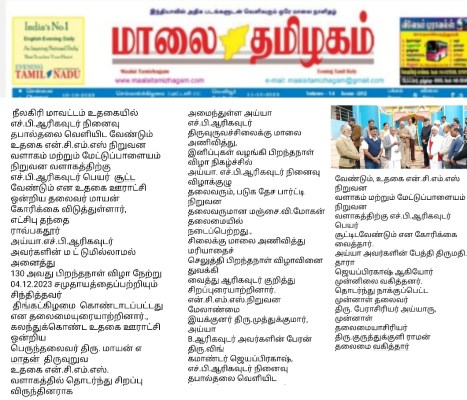
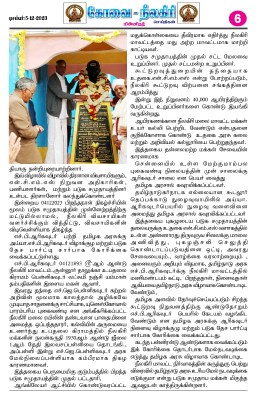
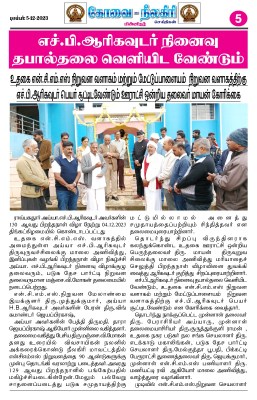
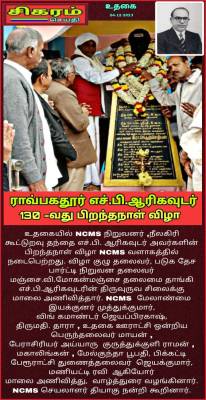
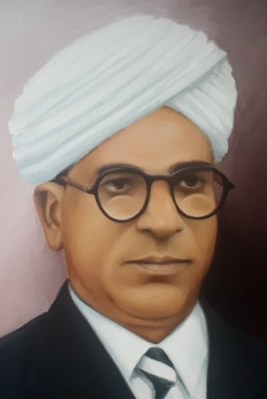
HB Ari Gowder, 130th Birth Anniversary (4 Dec 2023)

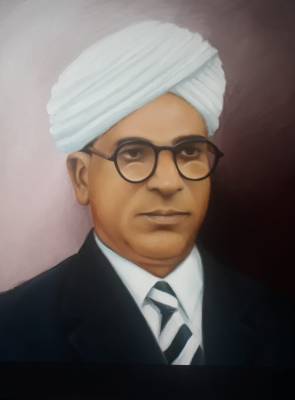
Painting by Gokul Gowder

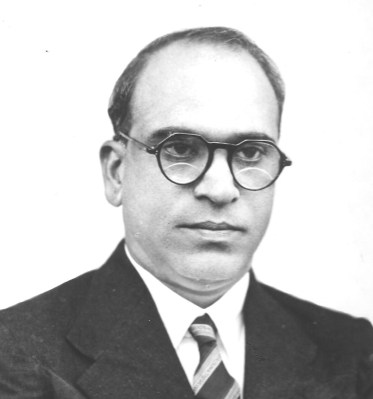
Rao Bahadur H B Ari Gowder

( 4 Dec 1893 – 28 Jun 1971)

Remembering Rao Bahadur HB Ari Gowder, on his 130th Birth Anniversary (4 Dec 2023)

 Rao Bahadur H.B.Ari Gowder, the first Badaga graduate, first Badaga M.L.C & M.L.A for a long time who had brought many reforms in/to Badaga Community including ‘prohibition’ (no alcohol – kudi) to Nilgiris in British days itself. Ari Gowder lead the Indian contigent (yes, “INDIAN CONTIGENT) to World Scouts Jumboree held in Godollo, Budapest, Hungary, Europe in the 1933.

The postcard Ari Gowder received at Godollo, Hungary as Leader of Indian Contingent

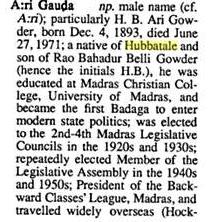
[above – text] From the book ” A BADAGA – ENGLISH DICTIONARY ” by Prof. Paul Hockings and Christiane Pilot-Raichoor ]

Also see Wg Cdr Bellie Jayaprakash’s other weblogs on Badagas – https://sites.google.com/site/badagacommunity/

A great initiative by Ekkuni Hatti

A great initiative by Ekkuni Hatti

Photos & info courtesy – J Krishnan

Seemeiya Madhippu

Seemeiya Madhippu – சீமெய மதிப்பு

by Dr. R.K Haldorai


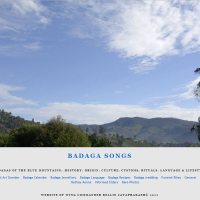
Hanadha Seemey ஹணத சீமெ – Thodhanaadu தொதநாடு
Addadha Seemey அட்டத சீமெ – Porangaadu பொரங்காடு
Aagadha Seemey ஆகத சீமெ – Mekku naadu மேக்கு நாடு
Aarukaasuna Seemey ஆருகாசுந சீமெ – Kundhey குந்தெ

[குறிப்பு: அண= நாக்கு பெள்ளி; அட்ட = எரடு பெள்ளி; ஆக = ஒந்து பெள்ளி; ஆருகாசு = ½ பெள்ளி]


தொதநாடு என்பதற்கு தொட்ட நாடு என்ற ஒரு பெயர் உண்டு. அதாவது இது பெரிய நிலப்பரப்பு அடிப்படையில் மற்ற மூன்று சீமைகளைக் காட்டிலும் அதிகமாக நிலவரி செலுத்தும் சீமையாக இருந்துள்ளது. ஆகையால் இதனை ஹணத சீமை என்று குறிப்பிட்டுள்ளனர். இங்கு ஓர் ஹண என்பது நான்கணா காசைக் குறிக்கும். இதற்கு அடுத்தபடியாகப் பெரிய நிலப்பரப்பைக் கொண்டது பொரங்காடு. தொதநாட்டினை நோக்க பொரங்காடு சற்றேறக்குறைய பாதியளவு நிலப்பரப்பைக் கொண்டது. ஆகையால் ஓர் ஹணவின் பாதியான அட்ட என்ற அடையுடன் அதனைக் குறிப்பிட்டுள்ளனர். அட்ட என்பதற்கு இரண்டு என்பது பொருள். பொரங்காட்டில் பாதியளவாக இருக்கும் மேக்குநாட்டை ஆகத சீமை எனக் குறிப்பிள்ளனர். ஆக என்பதற்கு ஒரு வெள்ளி என்பது பொருள். இருக்கும் நான்கு சீமைகளுள் சிறிய நிலப்பரப்பைக் கொண்டது குந்தை. அதனால் ஆகவின் பாதியாக ஆரு காசு என்ற
அடையுடன் குறித்துள்ளனர். “குந்தெய கூட்டி நாக்கு பெட்ட” என்னும் சொலவடையின் மூலமும் குந்தையின் குறைந்த நிலப்பரப்புத் தன்மை உணர்த்தப்படுவதைக் காணலாம்.

Badaga Language

Badaga Studies (Collected Papers) – by Dr.R K Haldorai

An excellent collection of papers on the Beautiful Badaga Bashe (Language) by one of the most appreciated scholars on Badaga – Dr.RK Haldorai from Kiya Kauhatti


குழந்தைப் பருவம் முதல் பழக்கப்பட்டு வரும் தாய் மொழியில், பேச்சு உறுப்புகள் அம்மொழியின் தன்மைக் கேற்ப வளைந்து கொடுக்கும் பயிற்சி பெற்று விடுகின்றன. தாய் மொழியின் ஒலிகளும், சொற்களும், சொற்பொருள்களும் இயல்பாய் அமைந்து விடுகின்றன. எனவே தான் பிற்காலத்தில் வேறு மொழிகளில் நாம் பேசும் போதும்தாய்மொழி ஒலி அமைப்பை ஒட்டியே பேசுவதும், சில இடங்களில் தாய்மொழிச் சொற்கள் இடையிடையே நம்மை அறியாமல் வந்து விடுவதையும் நம்மால் உணர முடிகிறது. எவ்வாறு நம் முயற்சிக்கு அப்பாற்பட்டு மூச்சு உறுப்புகள் இயங்குகின்றனவோ, எவ்வாறு இரத்த நாளங்கள் இயற்கையாய் தூங்கும் போதும் கூட இயங்கிக் கொண்டிருக்கின்றனவோ அவ்வாறு தாய்மொழி நமக்கு இயல்பாய் அமைந்து விடுகிறது. இதனை நன்குணர்ந்த கல்வியாளர்கள் தாய்மொழி மூலம் கல்வி பெறுவதே மிகச் சிறந்தது எனக் குறித்து வருவதை உலகெங்கும் காண முடிகின்றது. எனவே தான் தாய்மொழிக் கல்வியைப் பல நாடுகள் நடைமுறைப் படுத்திக் கொண்டிருக்கின்றன. தாய்மொழிப் பயிற்சி நன்கு வரப்பெற்ற பிறகு பிறமொழிகளைப் படிப்பது மிகவும் சிறந்தது என அறிஞர்கள் குறிப்பிடுகின்றனர். அதாவது தாய்மொழி அமைப்பைக் கொண்டு பிற மொழி அமைப்புகளை அறியவேண்டும் என்பதாகும். இது மிக எளிமையானதாகவும் இயற்கையானதாகவும்
இருக்கும்.
மொழியின் தன்மை
இயல்பாக மொழிகளில் சிறந்த மொழி சிறப்பற்ற மொழி என்று எதுவும் இல்லை. இப்பின்னணியிலே படகருள் சிலர் தம் தாய்மொழி சிறப்பற்றது எனக் கொண்டு தாய்மொழி படகு என்று சொல்வதற்குத் தயக்கம் கொண்டுள்ளனர். இது அடிப்படையில் ஒரு தவறான கருத்தாகும். ஒவ்வொரு காலக்கட்டத்தில் சில மொழிகள் செல்வாக்கு பெற்று விடுகின்றன. இச்செல்வாக்கு பெரும்பாலும் அரசியல் தொடர்பினாலும் அல்லது சமுதாயத்தில் உயர் மட்டத்தில் இருப்பவராலும்
எய்தப்படுவதாகும். பின் அனைத்து மக்களும் செல்வாக்கு பெற்ற மொழியைப் பின்பற்ற முயல்வது தவிர்க்க முடியாதது ஆகிவிடுகிறது. இவ்வாறான சமயங்களில் செல்வாக்கு பொருந்திய மொழியை அனைவரும் முனைப்புடன் பின்பற்றுவதால்
ஏற்கெனவே வழக்கில் உள்ள மொழிகளில் திரிதல் பெரும்பாலும் நடைபெறும். சிற்றில சமயங்களில் அவை அழிந்தும் விடுகின்றன. வரலாற்றைப் புரட்டிப் பார்த்தால் கிரேக்கம், இலத்தீனம், எபிரேயம் போன்ற பழம் பெரும் மொழிகள் ஒரு
காலத்தில் மிக செல்வாக்கு பெற்றிருந்தமையும் பிறகு அம் மொழிகளைப் பேசுவோர்மிக அருகி வந்ததால் அவை நூலக மொழிகளாக மட்டும் இருந்து வருவதையும் அறிவோம். ஆக அடிப்படையில் எம்மொழியையும் சிறந்தது என்றும் சிறப்பில்லாதது என்றும் சொல்வது தவறு. இன்றைய மொழியியல் அறிவியலுக்கு இது முற்றிலும் பொருந்தாதது. எவ்வாறு மக்கள் தொகை சில காலங்களில் சிறந்த வரமாக கருதப்பட்டும் சில காலங்களில் சாபக்கேடாகக் கருதப்பட்டும் வருகிறதோ அவ்வாறுதான் மொழிகளில் செல்வாக்கும் ஆகும். ஒரு காலத்தில் ஓரிடத்தில் செல்வாக்கு பெற்ற மொழி முற்றிலும் புழக்கத்தில் இல்லாமல் போய் விடுவதும் உண்டு.
செல்வாக்கு பெற்று விளங்கும் மொழிகளைப் பார்த்து சமுதாயத்தில் பலர் மொழிகளைப் பற்றிய ஒரு தெளிவான அறிவு இல்லாமல் இருந்து விடுகின்றனர். இது அவர்களுடைய தவறு அன்று. அவர்கள். கண் முன் இச்செல்வாக்கு பெற்று
வரும் மொழிகள் தான் மிக எளிமையாக தோன்றும். அம் மொழிகளால் பல நன்மைகள் விளைவதும் உண்டு. எனவே அதற்கு முதன்மையிடம் அளிப்பதில் வியப்பேதுமில்லை.
நம்மில் பலர் தாய்மொழியாக படகுவைக் கொண்டிருந்த போதிலும் அம்மொழியினைப் பற்றிய ஒரு சிந்தனை இல்லாமல் இருக்கிறோம். நம் மொழிக்கு எழுத்து இல்லா நிலையைக் காட்டி இம்மொழியில் வாழ்வின் அனைத்துக் கூறுகளையும் பேச- எழுத முடியாது என்பாரும் உளர். இவர்கள் வாக்கில் உண்மை இருப்பது போல தோன்றும். ஆனால் அவை வெறும் மேற்போக்கானவை யாகும். நன்கு அலசிப் பார்ப்போமேயானால் இவையெல்லாம் தவறு என்பது நன்கு விளங்கும். படகு மொழியில் எழுத்து இல்லை; இலக்கணமில்லை. எழுத்தை, இலக்கணத்தை யார் உருவாக்குவது? இவை ஒரு படகு மொழி பேசுபவரால் தான் எளிமையாக உருவாக்க முடியும். ஏன், இவற்றை ஒரு படகு பேசும் ஆள்தான் செய்ய வேண்டும் என வைத்துக்கொள்வதில் தவறு ஏதும் இல்லை. ஆனால் இதுவரை நம் படகு பேசுவோர்களிடையே இம்மாதிரியான எண்ணம் எதுவும் தோன்றியதாக தெரியவில்லை. ஒரு சிலர் இவற்றைப் பற்றி சிந்தனை செய்துள்ள போதிலும் அவர்களால் ஒரு முடிந்த முடிவுக்கு வர இயலவில்லை. இதனால் தான் நம் படகு மொழிக்கு எழுத்து இலக்கணம் முதலியன இதுவரை அமையவில்லை. எழுத்து, இலக்கண முதலியன உண்டாக்கிய பின்பு இலக்கியம் அமைதலும் ஏற்படக்கூடும். கவிதை, கட்டுரை, நாடகம், வரலாறு, உரைநடை, கடிதம் முதலிய அனைத்தும் இம்மொழியில் எழுத வேண்டும். அப்பொழுது அவற்றுள் சிறந்தன இலக்கியங்களாக அமைந்து விடுகின்றன. இலக்கியம் ஒரு மொழிக்கு பெரும் பாதுகாப்பை அளித்து விடுகின்றது. மொழி இலக்கியத்தால் நிலைத்த தன்மை எய்தி விடுகின்றது. இவ்வடிப்படையில் நோக்கும் போது இலக்கியம் முதலியன இல்லை என குறைபட்டுக் கொண்டிருப்பின் யாதும் நிறைவேறாது என்பது நன்கு விளங்கும். அத்துறையில் முயன்று தேவையானவற்றைப் படைக்க வேண்டும். பின், மொழி நாளொரு வண்ணமாய் வளர்ந்து வரும்.
இன்றளவில் உலகில் 7000 மொழிகள் உள்ளன எனக் கணக்கிட்டுள்ளனர். அவற்றுள்
ஒரு சில நூறு மொழிகள் மட்டுமே எழுத்து அமைப்பை கொண்டிருக்கின்றன. மீதமுள்ள ஆயிரக்கணக்கான மொழிகளுக்கு எழுத்துகள் இல்லை. உலகிலுள்ள பெரும் எண்ணிக்கையிலான மொழிகள் வெறும் பேச்சு மொழிகளாகவே பல
நூற்றாண்டுகளாக நிலவி வருகின்றன என்பதைக் கேட்கும் போது நம்மில் பலர் வியப்படைதல் கூடும். அவற்றைப் போன்று தான் நம் படகு மொழியும் ஆகும். படகு மொழி சற்றொப்ப 1500 ஆண்டுகளுக்கு மேலாகப் பேசப்பட்டு வருகிறது என
கணக்கிடலாம். சில ஆயிரம் மக்களால் பேசப்பட்டு வந்த மொழி இலட்சத்திற்கும் அதிகமான மக்களால் பேசி வரும் அளவிற்கு வளர்ந்துள்ளது.
தென் திராவிட மொழிகளில் அதிகப்படியான மக்களால் பேசப்பட்டு வரும் மொழி வரிசையில் ஆறாவது இடத்தில் படகு இருக்கிறது. தெலுங்கு, தமிழ், கன்னடம், மலையாளம், துளு ஆகிய ஐந்து திருந்திய திராவிட மொழிகளுக்கு அடுத்தப்படியாக அதிகப்படியான மக்களால் பேசப்பட்டு வருவது படகு மொழியாகும். இன்னும் ஒரு சிறப்பு
என்னவென்றால் படகு மொழி பேசும் மக்கள் ஓரிடத்தில்- நீலகிரியில் வாழ்ந்து வருவதாகும். இவ்வாறு ஓர் இடத்தில் மொழி பேசுவோர் வாழ்வதால் அங்குள்ள மொழி அழிவதற்கான சாத்திய கூறுகள் மிகக் குறைவு. அரசியல் காரணங்களாலும்
பிறவற்றாலும் பிற மொழி தாக்கம் மிகுதியாக இருந்த போதிலும் மேலும் பலரால் பேசப்பட்டு வருவது மிகவும் வியப்புத் தருவதாக இருக்கிறது. இம்மாவட்டத்திற்கு வரும் பிற மொழி பேசும் மக்களும் படகர்களுடன் ஊடாடி குறுகிய காலத்தில்
படகுவில் உரையாட கற்றுக் கொள்கின்றனர் என்னும் போது இம்மொழியின் தாக்கம் இம் மாவட்டத்தில் எவ்வளவு இருக்கிறது என்பதை கணக்கிட்டுக் கொள்ளலாம்.
தாய்மொழியின் பிற மொழிகளுக்கு இணையான சொற்களும் இலக்கண அமைப்புகளும் இருக்க, இவ்வறிவு இல்லாமல் பிற மொழி அமைப்புகளை மிகுந்த முயற்சியுடன் பயில்கின்றோம். இதனால் பிறமொழிக் கல்வி பல இடங்களில் தோன்றிவிடும். சான்றாக ஒரு படகு குழந்தைக்கு ஆங்கிலம் கற்பிக்கப்படுகிறது என வைத்துக் கொள்வோம். அதிலும் noun, pronoun முதலிய இலக்கண கூறுகளைப் பயிற்றுவித்தலில் பொருள், இடம், ஆள் ஆகியன பெயர்களாகும் எனச் சொல்லி சான்றுக்கு tree, stone, London, John எனச் சொல்லி விடுகின்றோம். இவ் விடங்களில் இதே பெயர் (noun) நம் படகு மொழியிலும் உண்டு ஆங்கிலத்தில் உள்ளது போல் தான் பொருட்கள் இடம் ஆட்கள் முதலியவற்றின் பெயர்களாகும் எனச் சொல்லி சான்றுக்கு மொர, கல்லு, கடநாடு, 0பெள்ள எனச் சொல்வோமே யானால் குழந்தை அப்பெயரைப் (noun) பற்றிய முழு அறிவை மிக எளிமையாகப் புரிந்து கொள்ளும். ஏனெனில் மொர, கல்லு கடநாடு, 0பெள்ள போன்ற சொற்கள் அன்றாட வாழ்வில் மேலும் மேலும் வந்து கொண்டிருக்கின்றன. இவற்றை அடிப்படையாக வைத்து இவர்களுக்குச் சொல்வோமே யானால் எல்லாம் எளிமையாக விளங்கும்.
இவற்றைப் போல் pronoun என்பது பெயர்களுக்கு மாற்றாகக் கருதப்படுவது எனச்சொல்லி he, she, it, they என்பவற்றைச் சான்றுக்கு காட்டுவதுடன் நம் மொழியிலும் pronoun உண்டு அவையும் பெயர்களுக்கு மாற்றாக வரும் தன்மையன எனக் கூறி
அம, அவ, அவக்க, அது, அவெ எனச் சான்றுகள் காட்டப்படுமேயானால் மிக எளிமையாக pronoun பற்றிய அறிவு விளங்கும் என்பது வெளிப்படை. இவ்விலக்கணம் படகு மொழிக்கு மட்டுமே உள்ளதாகக் கருதி விடலாகாது. உண்மையில் எல்லா
மொழியினருக்கும் பொருந்தும். அதாவது தாய் மொழியை அடிப்படையாக வைத்துக் கொண்டு பிற மொழிகள் கற்பதில் பிறமொழி அறிவு மிக எளிமையாக விளங்கிவிடும் என்பது திண்ணம். இங்கு நன்கு அறிந்ததைக் கொண்டு அறியாததை விளக்குவதனாலும், தெரிந்ததைக் கொண்டு தெரியாததை விளக்குவதனாலும் கற்றல் மிக எளிமையாக அமைந்து விடும்.
கிளை மொழி
முன்னர் படகுமொழியைக் கன்னடத்துக் கிளை மொழி என்று சரியான ஆய்வு இல்லாமல் பலரும் பேசி வந்துள்ளனர். படகுமொழிக்கும் கன்னடமொழிக்கும் இடையே சில தளங்களில் ஒற்றுமை நிலவுவதைக் காட்டியே பலரும் இதைக்
கிளைமொழி என்று சொல்லி வந்துள்ளனர். படகுவும், கன்னடமும் திராவிடக் குடும்பத்து மொழிகள். ஒரு மொழிக் குடும்பத்துக்குள் சொல் நிலை, இலக்கண நிலை ஆகியவற்றில் ஒற்றுமை இருக்கத்தான் செய்கிறது. இதைக் கொண்டு கிளைமொழி தகுதியை வரையறுப்பது பொருத்தமற்றது. சொல்லப் போனால் படகுமொழிக்கும் கன்னடத்திற்கும் இடையே உள்ள வேறுபாடு மிகப்பல வாகும். எவ்வாறாயினும் அண்மைக் காலத்தில் படகுமொழியை மொழியியல் அடிப்படையில் ஆய்ந்த அறிஞர்கள் படகு கன்னடத்துக் கிளைமொழி அன்று. அது தனியான ஒரு மொழி என்று தெளிவாக விளக்கியுள்ளனர்.
இலக்கணம் எழுத்துள்ள மொழிகளுக்கு தான் இலக்கணம் உண்டு என்றும் பேச்சுமொழிகளுக்கு இலக்கணம் இல்லை என்றும் பலர் எண்ணிக்கொண்டு இருக்கின்றனர். இக்கூற்று அடிப்படையில் தவறானதாகும். எழுத்துகள் அமையாத பேச்சு மொழிக்கும் இலக்கணம் உண்டு. இலக்கண அமைப்பு இருப்பதால்தான் அது ஒரு மொழியாக உள்ளது; அதில் பேசவும் முடிகிறது. அதேபோல் எழுத்து மொழியே பேச்சு மொழிக்கு அடிப்படையானது என்றும், எழுத்து மொழி பேச்சு மொழியைக் காட்டிலும் காலத்தால் முந்தியது என்றும் பலர் எண்ணிக்கொண்டு இருக்கின்றனர். உண்மையில் எழுத்து மொழியைக் காட்டிலும் பேச்சு மொழி காலத்தால் முந்தியது; அடிப்படையானதும் ஆகும். பேச்சு மொழி தோன்றிப் பல ஆயிரக்கணக்கான ஆண்டுகளுக்குப் பின் தான் எழுத்துகள் தோன்றியுள்ளன.
ஒலி அமைப்பு
எழுத்துகள் இரு நிலைய தாகும். ஒன்று உருவம் பற்றியது; மற்றொன்று ஒலி பற்றியது. முன்னது கண்ணுக்குப் புலனாவது; பின்னது செவியால் கேட்பது. உருவம் பற்றியதை எப்படி வேண்டுமானாலும் மாற்றிக் கொள்ளலாம். இன்று உள்ள எழுத்துகளின் வடிவம் பல மொழிகளில் முற்காலத்தில் இருந்தது போன்று இல்லை. வரி வடிவம் மாற்றத்துக்கு உள்ளாகி வந்துள்ளது. ஆனால் ஒலி அவ்வாறு இல்லை. திரிதல் சிறிது காலத்திற்கேற்ப ஏற்பட்டாலும் பெரும்பான்மை ஒலிகள் மாற்றம் இல்லாமல் இருக்கின்றன. ஒலிகள் மாறினால் பொருள் மாறுபாடு அடைந்து விடும். முந்து திராவிடத்தில் இருந்த 10 உயிரொலியன்கள்தாம் படகுவில் இன்றும் உள்ளன. மெய்யொலியன்களில் 0க், ஜ், 0ட், 0த், 0ப், ஸ், ஹ் ஆகிய ஏழு ஒலியன்கள்
கூடியுள்ளன; ழ், ற், ன் ஆகிய மூன்று ஒலியன்கள் வழக்கிழந்துள்ளன. வரி வடிவம் முதலில் படவெழுத்துகளாக இருந்து, கருத்து எழுத்துகளாக மாறி ஒலியன் எழுத்துகளாக வடிவம் பெற்றுள்ளன என எழுத்துகளின் வளர்ச்சியைப் பற்றி
குறிப்பிடுகின்றனர்.
ஆக ஒலியமைப்பில் ஒவ்வொரு மொழிக்கும் வேண்டப்படும் எழுத்துகளைக் கணக்கிட்டுக் கொள்ள வேண்டும் ஒலி எழுத்துகளைக் கணக்கிட்டு விட்டால் பின் ஒலி எழுத்துகளுக்கு வரிவடிவங்கள் அளித்து விடலாம். அந்நிலையில் படகு மொழிக்கு இன்றியமையாத தனி ஒலியன்களாக 32 இருக்கின்றன. அவையாவன:
உயிர்: அ, ஆ; இ, ஈ; உ, ஊ; எ, ஏ; ஒ, ஓ
மெய்: க், 0க், ங்; ச், ஜ், ஞ்; ட், 0ட், ண்: த், 0த், ந்; ப், 0ப், ம்; ய், ர், ல், வ், ள், ஸ், ஹ்,
இந்தப் பத்து உயிர், இருபத்திரண்டு மெய் எழுத்துகளால் படகுமொழியை எழுதி விடலாம். இவற்றால் படகு மொழியில் இருக்கும் அனைத்துச் சொற்களையும் எழுதிவிடலாம். ஆக இந்த 32 ஒலியன் எழுத்துகள் படகு மொழியின் எழுத்துகளாகும்.
இதன்பின் இந்த 32 எழுத்துகளை எந்த எழுத்துகளால் எழுத வேண்டும் என்று வினா எழுகிறது. இவ் வினாவுக்கு விடை நாம் தாம் காண வேண்டும். ஏனெனில் நாம் அனைவரும் ஒன்று சேர்ந்து முடிவு எடுக்க வேண்டிய கருத்து இது. இதற்குப் பல
வழிகள் உண்டு. அப்பல வழிகளில் நமக்கு உகந்த எளிமையான, அனைவருக்கும் பொருந்துவதை நாம் தேர்ந்தெடுக்க வேண்டும். அவ்வளவுதான்.
புதிய எழுத்து
அங்கும் இங்குமாகச் சிலர் மொழிக்குப் புதியதாக எழுத்து உருவாக்க வேண்டும் எனச்சொல்வதை நாம் கேட்டிருக்கிறோம். உண்மையில் இந்த 32 ஒலியன்களுக்குப் புதியதாக எழுத்துகள் உருவாக்குவது பெருஞ்செயல் அன்று. அதேபோல, 32
எழுத்துகளைப் பழகிக் கொள்வதும் பெரும் சுமையாக இருக்காது. என்றாலும் புதிய எழுத்துகளை மக்களிடையே பரப்புவதற்குப் பெரும் முயற்சி எடுக்க வேண்டி வரும். ஏற்கெனவே ஆங்கிலம், தமிழ் ஆகிய மொழிகளுக்குப் பெரும் இடம்
அளித்துள்ளவர்கள் புதியதாக ஓர் எழுத்தைக் கற்பதற்கு முன் வருவார்களா என்பது ஒரு பெரும் கேள்வி. அடுத்ததாக நாம் உருவாக்கும் எழுத்துக்கு ஏற்றவாறு கணினியில் நிரல் ஏற்படுத்த வேண்டும். இன்றைய நிலையில் இதுவும் பெரும்
செயல் அன்று. ஆனால் இதற்குப் பெருமளவில் பொருள் செலவு ஏற்படும். படகு சமுதாயம் சிறியதாக இருப்பதால் பெரும் செலவு செய்து கணினி பயன்பாட்டிற்குக் கொண்டு செல்வது கடினமான பணியாகும். ஏற்கெனவே நாட்டிலுள்ள எழுத்துகளுள் ஏதாவது ஒன்றினை மேற்கொண்டு இச்சிக்கலைத் தவிர்க்கலாம். இவ்வாறு மேற்கொள்வதால் புதியதாகக் கணினி நிரல் முதலியன உருவாக்க வேண்டிய அவசியம் இருக்காது. ஏனென்றால் அவை ஏற்கெனவே நாம் தெரிவு செய்ய இருக்கும் மொழியில் உள்ளன. பொருள் செலவும் மீதமாகும். அவ்வளவுப் பெரும் முயற்சியும் இதற்கு அவசியம் இல்லை. பிற மொழி எழுத்தை ஒரு மொழிக்கு எடுத்துக் கொள்வது என்பது நாம் மட்டும் மேற்கொள்வதாக இருக்கும் என நினைத்து விடக்கூடாது. பல மொழிகள் பிறமொழி எழுத்துக்களால் எழுதப்பட்டு வருகின்றன என்பதை நாம் மறந்து விடலாகாது. சான்றாகக் கர்நாடக மாநிலத்தில் பேசப்பட்டு வரும் திராவிட மொழிக் குடும்பத்தைச் சேர்ந்த துளு மொழிக்கு எழுத்துகள் இல்லை. முன்னர் அம் மொழியை மலையாள எழுத்தைக் கொண்டு எழுதி வந்திருக்கின்றனர். ஆனால் இப்பொழுது கன்னட எழுத்துகளால் எழுதி வருகின்றனர். இம் மொழிக்குக் கன்னட எழுத்துகளைக் கொண்டு ஆறு மடலங்கள் கொண்ட ஒரு பெரிய அகராதி தொகுக்கவும் செய்துள்ளனர். கோவாவில் பேசப்பட்டு வரும் கொங்கனி மொழியை அம் மாநில மொழியாக்கி அம்மொழியை தேவநாகரி எழுத்து மூலம் எழுத வேண்டும் என அம்மாநில அரசே உத்தரவிட்ட செய்தியினைப் பலரும் அறிந்திருப்பர். கொங்கனி மொழிக்கு எழுத்துகள் இல்லை. ஆனால் தேவ நாகரி எழுத்துகளைக் கொண்டு இனி எழுதப்படும். இவ்வடிப்படையில் இந்த 32 எழுத்துக்களுக்கு வரிவடிவத்தை எந்த மொழியிலிருந்து வேண்டுமானாலும் நாம் எடுத்துக் கொள்ளலாம். எளிமையாக அடையக்கூடிய சில எழுத்துகளை இங்குக் காண்போம்
தமிழ் எழுத்துக்கள்
படகு மொழி பேசப்பட்டு வரும் நீலகிரி தமிழ்நாட்டில் இருப்பதாலும் தமிழ் மொழியை படகர்கள் பலரும் படித்திருப்பதாலும் தமிழ் எழுத்துகள் மூலம் படகுமொழியை எழுதலாம் எனப் பலர் எண்ணலாம். அவ்வாறு செய்வதால் மிக எளிமையாக படகுமொழியை எழுதிவிடலாம் ஆனால் இதில் ஒரு சின்ன சிக்கல் உள்ளது. குறிப்பிட்ட 32 ஒரு எழுத்துகளைத் தமிழ் எழுத்துகளிலிருந்து எடுக்க வேண்டும். தமிழில் நமக்கு வேண்டி எழுத்துகளுள் 28 தாம் இருக்கின்றன. மீதம்
தேவைப்படும் நான்கு எழுத்துகளுக்கு அவற்றின் இன எழுத்துக்கு முன் ஒரு சிறுவட்டம் போட்டு (0க், 0ட், 0த், 0ப்) எழுதி விடலாம். தமிழ் எழுத்துகளைக்கொண்டு 1200 பக்க அளவில் ஒரு பெரிய அகராதியை நெலிகோலு அறக்கட்டளை
உருவாக்கியுள்ளது. மேலும் கதைகள், நாடகங்கள், பாடல்கள், கட்டுரைகள் என்று பலவற்றை நெலிகோலு அறக்கட்டளை எழுதி வைத்துள்ளது.
ஆங்கிலம்
ஆங்கிலத்தில் படகு மொழிக்கு வேண்டிய எழுத்துகள் 21 இருக்கின்றன. படகுக்கு வேண்டிய உயிர் நெடில்கள் அவற்றின் இனக்குறில்களுக்கு மேல் ஒரு கோடு போட்டு வேண்டிய 5 நெடில் உயிரெழுத்துகளைப் பெற்றுக்கொள்ளலாம். t, d, n, l, ஆகிய
நான்கு எழுத்துளின் கீழ் புள்ளி போட்டு முறையே ட், 0ட், ண், ள் ஆகிய எழுத்துகளைப் பெற்றுக்கொள்ளலாம். n, என்னும் எழுத்திற்கு மேல் புள்ளி போட்டு ங் என்னும் எழுத்தையும் n க்குமேல் ஒரு வளைவுக்கோடு போட்டு ஞ் என்னும் எழுத்தையும் பெற்றுக்கொள்ளலாம். இம்முறையிலும் நெலிகோலு அறக்கட்டளை தன் அகராதியில் எழுதியுள்ளது.
இந்தி
இந்தி (தேவநாகரி) எழுத்துகளைக் கொண்டும் எழுதலாம். இந்தி மொழியில் எகர ஒகரங்களில் குறிலுக்கும் நெடிலுக்கும் தனித்தனி எழுத்துக்கள் இல்லை ஆனால் படகுவில் எ, ஏ, ஒ, ஓ ஆகிய எழுத்துகள் தேவை. ஆகையால் இவற்றைத்
தெரிவிக்கும்படி ஏதாவது இரு குறிகளைச்சேர்த்து எ, ஏ, ஒ, ஓ ஆகிய நான்கு எழுத்துகளைப் பெறவேண்டும். மற்றபடி படகுக்கு வேண்டிய எழுத்துகள் எல்லாம் அங்கு இருக்கின்றன.
கன்னடம்
கன்னட மொழியில் படகு மொழிக்கு வேண்டிய 32 எழுத்துகளும் இருக்கின்றன. அதேபோல் தெலுங்கு, மலையாளம் ஆகிய மொழிகளிலும் படகுக்கு வேண்டிய 32 எழுத்துகளும் இருக்கின்றன. ஆகையால் கன்னடம், தெலுங்கு, மலையாளம் ஆகிய
மொழிகளுள்: ஏதாவது ஒரு மொழியின் எழுத்துகளை எடுத்துக்கொண்டால் எவ்வகை மாற்றமும் இல்லாமல் படகு மொழியை எழுதிவிடலாம். இங்கு எவ்வகை குறியீடுகளையும் நாம் மேற்கொள்ள தேவையில்லை. ஏனென்றால் படகு மொழி ஒலியன்களை அடையாளம் படுத்தும் அனைத்து எழுத்துகளும் கன்னடம், தெலுங்கு, மலையாளம் ஆகிய மொழிகளில் இருக்கின்றன.
இவை போல எம்மொழியிலிருந்து வேண்டுமானாலும் எழுத்துகளைப் பெற்றுக் கொண்டு படகுமொழியை எழுதலாம். இம்முயற்சி நம் கையில் தான் உள்ளது. நம் அனைவரும் ஒன்று கூடி இவ் எழுத்துகளுள் எதைப் பயன்படுத்தினால் எளிமையாக அமையும் என ஆராய்ந்து ஏதாவது ஒன்றினை மேற்கொள்ளலாம். புதியதாக பிறமொழி எழுத்துகளை எழுதிப் பழகுவது அவ்வளவு கடினமானதல்ல. 32 எழுத்துகளைச் சிறிது நேரத்தில் எழுதிப் பழகிவிடலாம். அவை காலப்போக்கில்
நமக்கு மிக எளிமையாக அமைந்து விடும். மேலே குறிப்பிட்டவற்றுள் ஏதாவது ஒரு வழியைப் பின்பற்றி படகு மொழியை எழுத முயல்வோமாக. 
விந்தைப்பொருள்
Now, whatever views were formerly held about language, everybody was agreed that language was a most wonderful thing, so wonderful, in fact, that perhaps the wisest thing that could be said about it was that it must have been of superhuman or divine origin (F.Max Muller, The Science of Thought, page 15).
“முன்னர் மொழியைப் பற்றி எவ்வகையான பார்வை கொண்டிருந்தாலும், இப்பொழுது, அனைவரும் மொழி ஒரு விந்தையானது என்பதை ஏற்றுக்கொள்கின்றனர். உண்மையில் மொழி விந்தையிலும் விந்தையானது. மிகை மாந்தர் அல்லது தெய்வத் தொடக்கம் எனக் குறிப்பிடுவது அதைப்பற்றி அறிவார்ந்த வகையில் சொல்வதாக இருக்கும்”

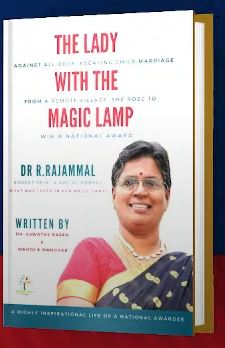
Proud of you Rajamma, once again

A best selling book on Dr.Rajammal, THE LADY WITH THE MAGIC LAMP, is available online

We are proud of you Rajamma, Engaga appara santhosha (we are very happy)! – Wg Cdr JP

Anthropologist Davey counters theory of Badaga migration

Janardhan Nanjundan, (a Badaga from Thudhalai, is an indigenous researcher, with a background in Sociology, Anthropology, linguistic and demographics) writes

Anthropologist Davey counters theory of Badaga migration

Anthropologist Gareth Davey, (a former colleague of Paul Hockings) who is currently in Ho Chi Minh City, Vietnam, has said in a recent email to Dharmalingam Venugopal of NDC (Yukesh Saravanan, from Kannerimukku and a Software Engineer based at Bangalore, confirms this), that there is nothing wrong in changing anthropological conclusions based on new evidence.

Prof Davey was the first to categorically discard the notion of Badaga’s migration from Mysore in this 2018 book, ‘Quality of Life and Well Being in an Indian Ethnic Community: The Case of Badagas”.  Describing the migration theory as a ‘myth’ or a ‘fairy tale’, he concluded that ‘Badagas have been misrepresented in the literature with a migrant identity. In summary, separation of Badagas from other people based on history and migration seems unfounded’.

Davey reviewed all the literature written about the Badagas over the past 200 years and raised a simple, basic question, ‘Where is the evidence to show Badagas migrated from Karnataka?’. The hundreds of books written till then had only one evidence, namely, ‘some Badagas told they came from Mysore’. Who were they? On what basis they said that? Did they show any evidence? Nothing was known.

The problem, according to Prof. Davey, is that all these scholars seemed to have made up their mind about Badaga migration even before studying or researching the Badagas.

Grammatical homogeneity of Badagu and the language of Kotas, Kurumbas and Todas might indicate they have always resided in the Nilgiri hills. Also genetic studies show Badagas share similarities with other indigenous people of Nilgiris.

On the current controversy concerning the Badaga migration, Prof Davey stated that, ‘One point about research is that weak conclusions or errors may unintentionally arise by people with good intentions, but they are soon corrected when researchers later examine their own and each other’s findings and conclusions critically and with new perspectives. There is nothing with being criticized or changing a viewpoint or admitting to being wrong. Indeed, this would be more convincing to me (i.e., shelving the migration idea altogether) than trying to fit earlier conclusions based on flimsy evidence into a new narrative’.

THE NILGIRI COLLECTION

THE NILGIRI COLLECTION

Stanford University, a major university in Silicon Valley, California, has now established in its library ‘the Nilgiri Collection‘. This is the largest collection of books, articles, manuscripts, dissertations and maps dealing with the Nilgiris to be found anywhere in the world — even bigger than what is in the British Library. The books date from 1820 onwards, down to the present.

The material is still in process of being catalogued, but a catalogue of it may be found at < https://searchworks.stanford.edu/ catalog?q=%22Nilgiri+Collection.%22&search_field=subject_terms >. 

At present there is no online access to the material, as it has to be consulted in the library’s Special Collections room in Palo Alto. But as the library is digitising vast amounts of material nowadays, we might hope for online access later on. The librarian who is in charge of this and all South Asian books is Dr. Ryan Perkins, a historian, and he may be reached at c.ryanperkins@stanford.edu

Information, kind courtesy : Prof. Paul Hockings, the Anthropologist par excellence, who is on a visit to the Nilgiris

The ‘Mistaken Migration from Mysore’ theory

The ‘Mistaken Migration from Mysore’ theory that Badagas have migrated from Mysore plains.

I attended the “In Conversation with Paul Hockings ” meeting, courtesy Ganesh Ramalingam, who is spear heading the movement to restore ST status for Badagas on 19 Aug 2023. Prof. Paul Hockings is on a visit to the Nilgiris.

While giving full credit to Prof. Paul Hockings for writing so much about Badagas and exposing us to the world, I am totally opposed to his view that we are migrants from Mysore.

I had told Prof.Paul Hockings many times earlier through emails and in person in the meeting at Ooty.

(Wg Cdr Bellie Jayaprakash with Prof.Paul Hockings, in turban)

His argument is “please show some evidence that Badagas were in the Nilgiris for a longer period than a few hundred years, (thousand of years), I will definitely change my view.”

I see a subtle change in his perception now. For a specific question ‘why did you write, in the first place, that Badagas migrated from Mysore, his answer was ‘Badagas, themselves told me and pointed to a village near Nanjangud as their ancestral village ‘.

In 1962, when Paul Hockings first started his research on Badagas, he was about 28 and staying in Ketti village. Prof. Paul Hockings, says that he had visited about 80 Badaga villages.

Prof. Paul Hockings accepts and stated on record that Badagas are as indigenous to Nilgiris as British to Britain to a question by Ganesh Ramalingam. This I consider to be a subtle change in the view of Prof. Paul Hockings though he still seems more inclined towards the migration from Mysore theory.

The argument that Badagas have migrated from Mysore area, in the northern side of the Nilgiris MAINLY based on the meaning of BADAGA and/or some Badagas with whom Paul Hockings interacted, informants as he calls them, told them so, is not convincing. In 1960s, the awareness of Badaga Origin, was not well known to the Badagas. Some Lingayats, among the Badagas he gathered the migration information from, could have been falsely influenced, because of their ties with some villages near Nanjangud.

Now that Badagas, some of them highly educated and well informed, have started questioning this mistaken migration theory, we can feel that there is unease in the minds of many scholars and followers who tend to quote Westerners about migration and calling them wrongly as Hindu Refugees escaping the forced religious conversion by Muslim invaders.

The only way to establish our origin and ancestry, once and for all, is to do carbon dating. Paul Hockings, agrees to this and says he is willing to change his perception about the so called Badaga Migration, as that would be scientific.

Apart from this important issue of migration, where Prof. Paul Hockings, in my opinion, could have been misinformed, the other research Paul Hockings has done on Badagas, is exemplary. His books on ‘Badaga English Dictionary and Badaga Proverbs‘ along with Christiane Pilot Raichur, are great source of information and should find a place in every Badaga home. 

(Prof. Paul Hockings with Wg Cdr Bellie Jayaprakash at the later’s house in Coonoor. Aug, 2023)

On a personal note, I am willing to sponsor anyone from our community, who can do this carbon dating and also request young Badaga leaders like Ganesh Ramalingam and other friends to initiate a serious attempt on this issue.

Let us prove that we are as old as any other tribe in the Nilgiris and this Migration from Mysore is a big mistake.

Wing Commander Bellie Jayaprakash (Air Veteran, Indian Air Force)

Please also see the page on Badaga Origin


Jakkadha SV Ramachandran comments

Kay Mugadane JP sir

This message should be made loud and clear among every Badaga brothers and sisters. We should get convinced ourselves first.

In my opinion, DNA profiling and DNA mapping would be a better way to scientifically understand the origin of our community.

Regards.

Thank you very much, Ramachandra, I fully agree with you that we, Badagas, should get convinced ourselves first. DNA profiling/mapping could/should also be done. Why not? – Wg Cdr JP

900,000+hits, How do I thank you ?

900,000+hits, How do I thank you ?

Our website https://badaga.co has crossed the 900,000 visits this month, June 2023.

Targeted at a tribal community of about 300,000 Badagas, this website, an one man’s effort, gets about 200 hits a day.

How can I thank you, with mere words!

Wing Commander Bellie Jayaprakash (Coonoor)

bjaypee@gmail.com

A BADAGA AND ENGLISH DICTIONARY

A BADAGA AND ENGLISH DICTIONARY: GLOSSARY AND GAZETTEER

by Paul Hockings & Christiane Pilot-Raichoor

Badaga/Baduga, spoken by an indigenous tribe of the Blue Mountains, the Nilgiris in the Southern India, is an unique Dravidian language. Though wrongly clubbed and considered as part of old/haliya Kannada due to many similarities, it has been proved to be a separate language by itself. Now it figures as an endangered language in the UN list. The Nilgiris, with its many primitive tribes, has been the centre of many researchers and anthropologists for many centuries now. Most prominent among them is, no doubt, Prof. Paul Hockings. His extensive study/research on Badagas during his stay among them in the hills in the 1960s, has resulted in many books and publications which are a great source of information and reference . I found his book on ” Badaga Proverbs – Counsel from the Ancients: A Study of Badaga Proverbs, Prayers, Omens, and Curses “, quoted extensively in the dictionary very interesting and educative. May be there are a couple of glitches here and there but his work is exhaustive, indeed. I am in touch with him and find him to be very friendly and communicative.

Paul Hockings studied anthropology and linguistics at Sydney, Toronto, Chicago, Stanford and California (Berkeley) universities. He was the editor of the Encyclopedia of the Nilgiri Hills (Manohar 2012), as well as author of several other books on the anthropology of that area. The late Christiane Pilot-Raichoor was a linguist with a doctorate (1991) from the University of Paris – Sorbonne, specializing in the Badaga language. She supervised grammar and etymology in the Dictionary.

The latest edition of “A Badaga and English Dictionary” has been published by Manohar, Delhi and is priced at Rs.3995/- for a set of two books (three parts), 1024 pages, and is available from Amazon at Rs.3076/– (23% discount)

This dictionary is a must for any serious student of Badaga Language and a great guide & reference to know about Badagas and the Nilgiris – Wing Commander Bellie Jayaprakash

Prof: Paul Hockings, one of the authors, in an email, informs me that

This Dictionary, just released by Manohar Publishers, is a much revised and expanded version of the original Badaga Dictionary, published in Berlin in 1992. The authors for each edition were two anthropological linguists, Paul Hockings and the late Christiane Pilot-Raichoor. Together they have compiled a two-volume dictionary which is without parallel in Dravidian studies. For a start, it is the only dictionary that incorporates a Gazetteer of about 2,000 local placenames, including all Badaga, Toda and Kota villages past and present.
Etymologies are given for most entries, linking Badaga words to forms in the Dravidian Etymological Dictionary of T. Burrow and M.B. Emeneau. But a striking innovation here is that Hockings has for the first time shown that in many Dravidian Languages there remain a just a handful of words ultimately derived from Sumerian. This was the first language ever to produce written records, and it spread from Mesopotamia widely across the Western part of the Indian Ocean, some three thousand years ago, reaching as far as Kerala. Thus the Badaga word ūr or ūru (‘head village’) was derived indirectly from the Sumerian uru, ‘town, village, district’, and the Badaga giri (as in Nilgiri) is cognate with the Sumerian giri,meaning a ortress or refuge.
Another novel feature of the book is that Hockings has been able to comb old maps in order to list the Badaga names of 220 Toda hamlets, most of which no longer exist. Wherever he discusses any village or hamlet he gives its exact location, cited as being so many kilometres from points in Ooty, Kotagiri, Coonoor or Gudalur.
This book opens with a short outline of Badaga cultural history, and an essay discussing the relationship of Badaga with other, neighbouring languages. At the back are ten Appendices, with such useful information as the names, Badaga and scientific, of plants and animals, detailed lists of all villages, names of deities, etc. Also of crucial value is Part 3 of the book, a complete English-Badaga glossary, and for most of the nouns, including all plants, animals and placenames, concise references are given to the extensive literature on the Nilgiri region. This means that if a botanist, for example, even if not particularly interested in the Badaga language, wants some technical information about mango, he or she only has to look up ‘mango’ in this English Glossary, and that will give the comparable Badaga word, the entry for which will include concise references to mango in the botanical literature. In this way the book is more than just a Dictionary, it is a ready-reference book.

A Badaga English Dictionary – 1992 Edition

Counsel from the Ancients: A Study of Badaga Proverbs, Prayers, Omens, and Curses

phpro.jpg


Prof. Paul Hockings in his email [3/3/2015] had writen :

Dear J.P., It was really very generous of you to devote so much space to my work in your Badaga website. I do appreciate it.

My reply : Thank you Paul for the email. Since I feel that your books, particularly, ‘Counsel from the Ancients: A Study of Badaga Proverbs, Prayers, Omens and Curses‘ must find a place in every Badaga home, I wished that it was easily available and affordable. Thanking you once again for making Badagas known to the world. – Wg Cdr JP