Food that Can Replace Pills

Fourteen Foods that Can Replace Pills

Whenever we start feeling ill, the first thing we do is reach for the medicine cabinet. The problem with taking pills is that even though they’ll probably help with your predicament, they’re also bound to have unwanted side effects. The best solution is to use these 14 natural remedies, which are just as efficient as drugs.

1. Bananas – Stress and anxiety

Next time you feel stressed, grab a banana! With an average of 105 calories and 14 grams of sugar, a banana will boost your blood-sugar levels and help combat hunger. Additionally, a banana contains 30% of your daily requirement of Vitamin B6, which helps your brain in the production of serotonin – a chemical that helps reduce stress.

2. Yogurt – Constipation and gas

One and a half cups of yogurt are packed full of probiotics that assist in digestion and improves the stomach’s ability to digest dairy and legumes – a major cause of gastric gasses.

3. Raisins – High blood pressure

A large handful of resins (approx. 60) contains over 200mg of potassium, as well as 1 gram of fiber. These are strongly recommended as part of a diet to help reduce blood pressure. Recent studies show that the polyphenols in grapes, raisins and wine, help maintain the circulatory system and reduce blood pressure.

4. Apricots – Kidney stones

4 dried apricots contain 2 grams of fiber, 235mg of potassium and just 3mg of sodium. This combination is highly effective at preventing minerals from getting trapped in your kidneys, which is the cause of the most common kidney stones.

5. Tuna – Foul mood

A can of tuna contains about 800mg of Omega-3, a fatty acid that is considered vital in the treatment of depression. Omega 3 is even an approved treatment for depression by the American Psychiatric Association.

6. Ginger tea – Nausea

A time-old proven treatment for nausea, ginger has also been scientifically proven to be helpful in dealing with nausea caused by motion sickness as well as morning sickness. It is as effective as anti-nausea medicine, but without the side effects (such as ‘cottonmouth’ and lethargy)

7. Basil – Indigestion

Studies suggest that the eugenol in basil is highly effective as a gastric painkiller, nausea reduction, cramping and diarrhea by eliminating bacteria Salmonella and Listeria. Basil is also effective at preventing halitosis.

8. Pears – High cholesterol

The average pear contains 5 grams of the dietary fiber Pectin, which helps clear the body of ‘bad cholesterol’ (LDL).

9. Cabbage – Stomach ulcers

In a research published by the John Hopkins Medical School, it was found that the sulforaphane in cabbage helps battle the helicobacter pylori bacteria (a main cause for ulcers). It is believed that sulforaphane may also help prevent gastric tumors.

10. Figs – Hemorrhoids

Dried figs are rich in dietary fiber, which in turn, produce softer feces and aiding in reducing hemorrhoids and the liness of developing them.

11. Potatoes – Headaches

Amedium-sized potato contains 37 carbohydrates, which help reduce headaches by increasing serotonin production in the brain.

12. Garlic – Yeast infection

Garlic contains many essential oils that help prevent the development of yeast infections.

13. Chamomile tea – Heartburn

A great treatment for gastric inflammation, cramping, heartburn and gas, is mixing 2 teaspoons of chamomile tea in a cup of boiling water and brewing it for about 20 minutes and then drinking it.

14. Orange juice – Lethargy

The fructose in orange juice is a natural and fast-working stimulant, and research has proven the ability of Vitamin C to reduce damage caused by free radicals and provide the body with energy. Vitamin C is also a key factor in maintaining iron levels in our blood, which keeps it oxygenated.

C S Chandramouli

Congratulations Dr.Haldorai !

Life time achievement award being conferred on Dr. R.Haldorai from Kiya Kauhatti

Nellikolu Charitable Trust, headed by Dharuman of Kekkatti, Yellanalli, who has been doing commendable work to make Badagas to know about themselves [Nangava Nanga Arivo – let us know about ourselves], is going to confer Life Time Achievement Award to Dr.R.Haldorai, author of many books on and of Badagas on the 27th May 2017 at Ooty.

Hearty Congratulations to Dr.Haldorai !

Congratulations, Dr.Devaraj, from Kethoray Village

Congratulations, Dr.Devaraj

Makkal Sevaiyin Magathuvam” written by Dr.G.N.Devaraj,M.B.A.,M.Phil.,B.G.L.,D.Lt .,[Stenographer, CSTI,President,Govt Employees Co-Op Society,Bhavanisagar,VP,TNGEA, Sathyamangalam], from Kethoray hatti/village, Civil Service Training Institute, Bhavanisagar received best book award from World Tamil University, Washington DC, USA, on convocation at Music Academy, Chennai on 18.3.2017.


Ooty – Kodapamund : Throwing caution to winds

Kodapamund : Throwing caution to winds

Dharmalingam Venugopal  [Nilgiri Documentation Centre]

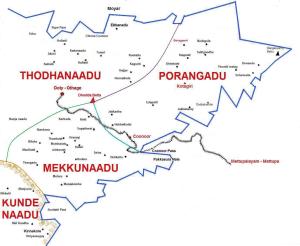
 Kodapamund  originally referred to a Toda mund at the boundary between the traditional  divisions of  Todanad and Mekunad. The Toda mund was abandoned sometime in mid-19thcentury, probably after the opening of Kotagiri-Ooty road.

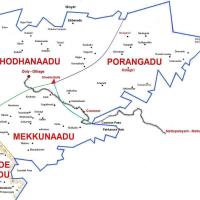
Map- Kodapamund in 1920s

During the British period it was the preferred residential area for top officials including Major Kelso, the first Commander of the Nilgiri hills.

Post independence,  it remained for long  a sleepy settlement  of hard working farmers, washer men and milk men. The Kodapamund reservoir  fed by streams originating from the Doddabetta ranges used to be perennial source of drinking water for the town.

Degradation of Doddabetta ranges in the 1970s  led to the 1978 landslides and floods which turned the life-giving Kodapamund reservoir  into a killer taking away more than 100 lives.

Since then, the Kodapamund  water channel has been major source of pollution and sewage in the town gradually choking up the Ooty lake.

The Kodapamund channel is the only source of water to the 20 ha lake and runs for a length of 5.5 km of which 3.06 km is within the Ooty town. According to a study, ‘the Channel  is converted into the dumping place of the different types of waters by small hotels, land encroachers, market, shop keepers etc., moreover it has been the outlet for the sewage of the unauthorized house owners and the rain water drains are utilized for this purpose’.

Hundreds of similar studies and crores of funds have been spent  in the name of cleaning up of  the Kodapamund channel and the lake but to no avail so far.

Kodapamund,  situated on the Dodabetta slopes, has become increasingly susceptible to  landslides in recent years. Slides on the Eastern flank of Kodapamund  near the grave yard and on the North east of  grave yard have been recorded. On the road side huge retaining walls reminds one of the vulnerability of the area which has become one of the heaviest  traffic area in the district.

Of late, the Kodapamund area has been allowed to grow into a major tourism area with facilities such as hotels, shops and entertainment centres mushrooming all over. Monstrous buildings are raised right on the road margin with total disregard for building rules, drainage or slope safety. Neither rules nor reason appears to slow down the roller coaster development of Kodapamund.

Severely high traffic, steep slopes, lack of drainage, high density of heavy constructions, excessive and indiscriminate tourist activities amidst   vegetable farming make  Kodapamund a prime spot for environmental  catastrophe.


Make Tribal Resource Centre unbiased

Call to make Tribal Resource Centre unbiased

Dharmalingam Venugopal  Nilgiri Documentation Centre. Kotagiri

badaga-5-tribes2

The Hon’ble Chief Minister of Tamil Nadu today inaugurated the Resource Centre for Tribal Culture at Ooty near the Botanical Gardens.

The Centre is expected to showcase the unique tribal culture of the Nilgiris which was based on mutual good will and interdependence, equal respect for each other and no violence. This exceptional culture is unparalleled in the mountain cultures of the world.

However, the display of the Nilgiris culture will be incomplete if any of the indigenous Nilgiri communities, particularly the Badagas, the largest social group, are excluded.

As a local cultural centre, it should not be exclusive to the Scheduled Tribes or the Primitive Tribes. It should depict the tribal culture of the Nilgiris as a whole.
Originally, the Nilgiri tribes recorded were the Todas, Kotas, Badagas, Irulas and Kurumbas. There is no record of how long these tribes have been in the mountains.

The first written record on these tribes was by Father Giacomo Fenicio who visited the hills in 1603. He was the author of “South Indian Religions” in Portuguese, published in 1609. During his two months stay on the hills he mentions only the Todas and Badagas. The former numbered about 300 and the latter about 500.

He saw in the Badaga village “hens, goats, rice and lentils, mustered, garlic and honey” and observed “ The Badagas are like the Malabars and they do business with the Todas selling rice and buying from them butter made of buffaloes’ milk for which they find a market at Manarghat”. Badagas spoke Kannada and some Malabar, he wrote.

There was no mention about any tribe coming from anywhere or how long they were on the hills.
The next written record on Nilgiris was after nearly two centuries in 1812 by William Keys, Assistant Revenue Surveyor sent by Coimbatore Collector W. Garrows.

The population of the hills as recorded by him was, ‘2516 individuals of which 1647 were Baddugars, 292 were Lingayats, 268 were Thoraiars, 179 were Todas and 130 were Kotas.

He was the first to mention that, “The Baddagurs, so called from their having settled on the mountains from the northward, speak the Cannady language and are the principal inhabitants as well as cultivators of the land”. It is not clear on what basis Keys made this statement.

In any case, according to the “Historical Records of The Survey of India 1800-15”, “Keys and McMahon were the first surveyors to enter the Nilgiri hills, and it is not surprising that their training at the observatory had not qualified them to make much of a success of the hill features”. Keys also described the Nilgiri climate at “inhospitable” with the result Collector Garrows took no further interest in the hills.

It was finally left to J.W.Breeks, the first Commissioner of Nilgiris, to make the distinction clear. Breeks distinguished the Todas, Kotas, Kurumbas and Irulas as “Jungle race” and documented them in his monumental work, “An Account of the Primitive Tribes and Monuments of the Nilgiris” in 1873. He categorically mentioned, “The Badagas cannot be called an aboriginal or a jungle race”.

Breeks however, included as a Frontispiece, the now famous photo of Five Hill Tribes which included the Badagas.

The authorities, should, therefore have no further reservations about depicting the cultures of all the Nilgiri people or tribes in the Resource Centre.

badaga-5tribes


International Women’s Day

HeForShe logo

Hennu Kannu! [Girls – our eyes]

Hendrilladhe, ama ketta, [Without a wife he suffers]

Hemmathi elladhe Mane ketta !! [Without a woman the home suffers]

Hemmakka ella dha, Ooru ketta !!! [Without women, the village suffers]

Giriji Madhi and Bela Madha – a Badaga ballad

How can Badagas celebrate the  Women’s Day on March 8?

Dharmalingam Venugopal, [Kotagiri]

By celebrating the quintessential Badaga women who have been the bedrock of the Badaga community for hundreds of years. It is the courage, hard work, determination and sacrifices of the humble Badaga women that Badaga society has survived and prospered over the centuries.

The worship of Ancestress Hette is nothing but the celebration of the sacrifice of the Badaga women in the interest of the family and community.

Ideally, the well known drama should be enacted in Young Badaga Association Building on Women’s Day for the benefit of our own younger generations and to the public.  But that is not to be.

I hope somewhere,  some Badagas will enact the Giriji Madhi-Bela Madha story to celebrate the International Women’s Day.

The Story of Giriji Madhi and Bela Madha

The Ballad Giriji Madhi and Bela Madha capture the core values and typical life style of the Badagas which have sustained the community over the years.

Giriji Madhi is the ideal Badaga wife- devoted to the husband and his family and painstaking to keep up the good name of her family and that of her husband.

They are married for 12 years but she never thought of going her parent’s village. When she finally wants to go far a festival in her village, her husband’s brother was reluctant to let her go. Because that was the Besege (hot) season and there was plenty of work at home and in the field.

Making haste, Giriji Madhi sets off from Kolecombai to her Kundah on her own. Hearing what has happened Madha rushes back from Emmatti and follows Madhi. At some point he catches up with her.

She reluctantly confides to Madha that it was her desire to see her parents and attend the festival after 12 years that made her leave alone. Madha understands and they travel the rest of the way enjoying themselves- the only time they have been together since marriage.

Tragedy strike Madha on the way. Unfortunately, those days every Badaga tragedy was attributed to some Kurumbas.  Anyway, Madhi realizes that end is near for Madha. Still she acts normal, visits her parents, attend the festival  and Madha even takes part in the festival games.

Madha desires that he should get back to his village before he dies. They both hurry back. Despite Madha’s desperate efforts to get back he collapses on the way. Madhi is grief -stricken  but she acts with great fortitude. She herself carries out the Badaga rites due to a dying man and also manages to send word to Madha’s brother.

Madha is given a traditional funeral.  A heart-broken Madhi pines over  Madha’s death and so after passes away.

_______________________________________

கிரிஜி மாதி கதை

டாக்டர் இரா.கு.ஹால்துரை

கொலக்கம்பை என்னும் ஊரில் அண்ணன் தம்பியர் இருவர் ஒற்றுமையுடன் வாழ்ந்து வந்தனர். அவர்கள் வாழ்வு வளமையானதாக இருந்தது. அண்ணன் கரியபெட்டன் மணியகாரப் பதவியைக் கொண்டிருந்தான். அக்காலத்தில் மதிப்புமிக்கதாகக் கருதப்பட்ட மணியகாரப் பதவி கொண்டிருத்தலே அக்குடும்பத்தின் மதிப்பைக் காட்டுகிறது. தம்பி பேலமாதன் தோட்டத் துரவுகளைப் பார்த்து வந்தான். அவர்களுக்குப் பெரிய அளவில் எருமை மந்தை இருந்தது. அண்ணன் மணியகாரப் பதவியைக் கொண்டிருந்ததனால் ஊர்ப் பொதுக் காரியங்களில் ஈடுபட்டு வந்தான். ஆகையால் எருமை மந்தையைக் கவனித்தல், தாங்கள் செய்யும் வேளாண் பணி போன்றவற்றில் தம்பி பேலமாதனே பெருமளவில் ஈடுபட்டு வர நேர்ந்தது. தம்பி பேலமாதனுக்குக் கீயெ குந்தையைச் சேர்ந்த சக்கெ அஜ்ஜனின் மகள் கிரிஜிமாதியை மணம் முடித்து வைத்தனர். கிரிஜிமாதி எல்லா வகையிலும் இக் குடும்பத்திற்கு உகந்த மருமகளாக விளங்கினாள்.

அக்காலத்தில் நல்ல மேய்ச்சலுக்காக எருமை மந்தைகளை ஓட்டிச் செல்பவர்கள் குறிப்பிட்ட இடங்களில் ’எம்மெயட்டி’ (எருமைப்பட்டி) எனப்படும் தங்கிடங்களை அமைத்து அங்கு இரண்டு மூன்று மாதங்கள் தங்கி எருமைகளைப் பார்த்து வந்துள்ளனர். இவ்வாறான சூழலில் வீட்டுப்பெண்களே வீட்டுப்பணியோடு வேளாண் பணி போன்றவற்றையும் செய்துவரும் கட்டாயம் இருந்தது. அக்காலச் சூழலுக்கு உகந்தற்போல் கிரிஜிமாதி இப்பணிகள் அனைத்தையும் முழு ஈடுபாட்டுடன் செய்து வந்தாள். அக்காலத்தில் உழவர் பொருளீட்டுதலைக் குறிக்கொள்ளாது, உணவு விளைத்தலையே குறிக்கொண்டு பணிசெய்து வந்துள்ளனர். ஆண்டுதோறும் பல்வகைப்பட்ட கூலங்களையும் அவரை போன்ற பயறுகளையும் விளைவித்து வந்துள்ளனர். எவ்வாறானாலும் வீட்டுத்தேவைக்கு வேண்டிய தவசங்களையும் பயறுகளையும் விளைவிக்க வேண்டிய கட்டாயம் இருந்தது. சாமை போன்ற தவசங்களைக் குற்றித் தவிட்டினை நீக்குவது, ராகி போன்றவற்றைத் திரிகை யிலிட்டு மாவரைத்தல் போன்ற பணிகள் அனைத்தையும் பெண்களே செய்து வந்தனர். வீட்டிற்கு வேண்டிய நீரை வெளியிலிருந்து கொண்டுவர வேண்டிய நிலை இருந்தது. இப்பணிகள் அனைத்தையும் செவ்வனே ஆற்றும் திறன் படைத்தவளாக கிரிஜிமாதி திகழ்ந்தாள்.

எவ்வகையான தனிப்பட்ட விருப்பு வெருப்புக்கு ஆளாகாமல் கிரிஜிமாதி இரவு பகல் பார்க்காமல் உழைத்து வந்தாள். தன் உழைப்பு முழுமையாகக் குடும்ப நலம் கொண்டதாக இருந்தது. உழைப்பின் மேல் கிரிஜிமாதி பெரும் மதிப்பு வைத்திருந்தாள். உழைப்பு உயர்வு தரும் என்பதில் உறுதியுடன் இருந்தாள். உழைப்பால் விளைந்த விளைவுகளை நினைத்து முழு மனநிறைவு அடைந்திருந்தாள். அவ்வப்போது கிடைக்கும் உழைப்பின் பயனைப் பார்த்த மட்டில் மென்மேலும் உழைக்க வேண்டும் என்னும் மனநிலை அவ்வம்மையாருக்கு உருவாகியது. இவ்வகையான நல்ல மனநிலையுடன் இருந்ததால் பல நேரங்களில் தன் சொந்த தேவைகளையும் பொருட்படுத்தாமல் இருக்க வேண்டிய கட்டாயம் ஏற்பட்டது. இருந்தாலும் அவற்றை எல்லாம் பொருட்படுத்தும் மனநிலை அவ் வம்மையாருக்கு இல்லை. அவ் வம்மையாரின் மனநிலை முழுவதுமாகத் தன் புகுந்த வீட்டின் மேம்பாட்டினை நோக்கியதாகவே இருந்தது.

அக்காலத்தில் எருமை மேய்ச்சலில் பெண்கள் பெரும் பங்கு எடுக்க வில்லை. என்றாலும் கன்றுகளைப் பார்க்கும் பணியைப் பெண்கள் ஆற்றி வந்துள்ளனர். அதேபோல் பால்கறக்கும் ஏனங்களைத் தூய்மைப் படுத்தல், பாலுக்கு உறைமோர் ஊற்றி உறைய வைத்தல், வெண்ணெய் உருக்குதல், மோர் உருவாக்குதல் போன்ற பணிகளைப் பெண்களே செய்ய வேண்டி இருந்தது. கால்நடை இருக்கும் வீட்டுப் பெண்களுக்குக் கூடுதல் பணி எப்பொழுதும் இருக்கும். இப்பணிகளை எல்லாம் கிரிஜிமாதி சிறப்பாக ஆற்றி வந்தாள். ஆக வீட்டுப்பணி, வேளாண்பணி, கன்றுகளைப் பார்க்கும் பணி என்பன போன்ற பணிகளைக் கிரிஜிமாதி செவ்வனே செய்துவந்தாள்.

கிரிஜிமாதி புகுந்த வீட்டிற்கு வந்தது முதல் அந்த வீட்டுப் பொருளாதாரம் நாளுக்கு நாள் உயர்வு கண்டு வந்தது. அதுவரை பயிர் செய்யாமல் தரிசாக விட்ட நிலங்கள் எல்லாம் கிரிஜிமாதியின் முயற்சியால் உழுது பயிர் விளைவிக்கும் நிலங்களாயின. இவ்வகையில் கூடுதலான விளைச்சல் கிடைத்தது. ஆண்டுக்கு ஆண்டு விளைச்சல் நன்றாகக் கிடைப்பதைப் பார்த்த கிரிஜிமாதி தானும் மேலும் மேலும் உற்சாகத்துடன் உழைத்து வந்தாள். தன் புகுந்த வீட்டின் மதிப்பைக் காப்பதிலும் பெரு முயற்சி எடுத்து வந்தாள். வீட்டிற்கு வரும் உறவினர்களுக்கும் பிறருக்கும் விருந்தோம்புவதில் சிறப்பாகக் கவனம் செலுத்தி வந்தாள். குடும்பத்தைக் காக்கும் பணி மிகப் பெரியது. அதில் சோர்வில்லாமல் கிரிஜிமாதி செயல்பட்டு வந்தாள். கிரிஜி மாதி தன்னைக் காத்துக் கொள்ளும் திறனுடன் விளங்கினாள். தன் கணவன் பெயருக்குச் சிறிய இழுக்கும் வராமல் பார்த்து வந்தாள். தன் கணவனுக்குக் கிரிஜிமாதியின் ஒழுக்கமும் செயல்பாடும் பெருமிதம் அளிப்பனவாக இருந்தன.

திருமணமான புதிதில் பெண்கள் இயல்பாக அவ்வப்போது பிறந்த வீட்டிற்குச் சென்று வருவர். புகுந்த வீட்டில் தொடர்ந்து செய்ய வேண்டிய வேலைச் சுமையிலிருந்து விடுபட பெண்கள் ஏதாவது சாக்கு போக்கு சொல்லி பிறந்த வீட்டிற்குச் சென்று குறைந்தது ஓரிரு நாள் ஓய்வு எடுத்துத் திரும்புவர். ஆனால் கிரிஜிமாதி இவ்வாறான இயல்புகளுக்கு எல்லாம் அப்பாற்பட்டவளாக விளங்கினாள். என்று திருமணம் ஆனதோ அன்றிலிருந்து தன் புகுந்த வீடுதான் தனக்கு எல்லாம் எனக் கொண்டாள். புகுந்த வீட்டில் தான் செய்ய வேண்டிய பணிகள் தொடர்ந்து இருப்பதை உணர்ந்து கொண்டாள். இச்சூழலில் பிறந்த வீட்டிற்கு அடிக்கடி சென்றால் புகுந்த வீட்டுப் பணிகள் தடைபடுவதை உணர்ந்து கொண்டாள். ஆகையால் தான் பிறந்த வீட்டிற்கு பல்லாண்டுகள் செல்லாமல் இங்கேயே இருந்தாள்.. இவ்வகையில் கடமைப் பொறுப்புள்ள மருமகளாக விளங்கிய கிரிஜிமாதி அஞ்சா நெஞ்சம் படைத்தவளாக விளங்கினாள். எதையும் எதிர்கொள்ளும் மனத்திடத்துடன் விளங்கினாள்.

ஒரு சமயம் பிறந்த ஊரில் திருவிழா நடப்பதை ஒட்டி அங்குச் சென்று வரலாம் என்று திட்டமிட்டாள். திருவிழாவைச் சாக்கிட்டு தன் பெற்றோர்களையும் பிறரையும் பார்த்து வரலாம் என நினைத்தாள். அச்சமயம் தன் கணவன் எருமை மேய்க்கும் பணியில் ஈடுபட்டிருந்தான். அதாவது அவர் எருமைப் பட்டிக்கு எருமைகளை ஓட்டிச் சென்று அங்கு அவற்றைப் பார்த்து வந்தார். ஆகையால் அவர் வீட்டில் இல்லை. தன் கணவனின் அண்ணனிடம் குந்தைக்குச் சென்றுவர இசைவு கேட்டாள். அவரோ வீட்டுப்பணி, எருமை மேய்க்கும் பணி, வேளாண்பணி ஆகியவற்றை மேற்கொள் வதற்கு ஆள்கள் இல்லாத நிலையில் நீ தாய்வீட்டிற்குச் செல்வது சரியாக இருக்குமா என்று கேட்டார். அதற்குக் கிரிஜி மாதி தான் பல்லாண்டுகளாகக் குந்தைக்குச் செல்லாமல் இருந்ததையும் தனக்குத் தன் பெற்றோர்களைப் பார்க்க ஆவல் மிக்கூர்ந்து இருப்பதையும் எடுத்துச் சொல்லித் தனக்கு இசைவு தரும்படி கேட்டுக் கொண்டாள்.

கரியபெட்டன், அவ்வாறானால் “உன் துணைக்கு ஆள் அனுப்புகிறேன் நீ சென்றுவா” என்று சொன்னார். இது கிரிஜி மாதிக்கு ஏற்புடையதாக வில்லை. “நான் இந்த வீட்டில் உணவுக்கும் உடைக்கும் (அடிமையாக) உழைக்க வந்தவளல்ல. இந்த வீட்டின் மதிப்பு மிக்க மருமகள். ஆகையால் நான் என் கணவனை அழைத்துக்கொண்டு செல்வதுதான் மதிப்பாக இருக்கும்” என்று சொன்னாள். அப்பொழுது தன் கணவன் மேய்ச்சல் காட்டில் எருமை மேய்க்கும் பணியில் ஈடுபட்டிருந்ததனால் அவரை அழைத்து வருவதற்குச் சிறிது தயக்கம் காட்டினார் கரியபெட்டன். அதாவது தம்பி தன் மனைவியுடன் சென்று விட்டால் மருமகள் செய்துவரும் பணிகளோடு தம்பி செய்துவரும் பணிகளும் முடங்கிப் போய்விடும். தம்பியை அனுப்ப வேண்டும் என்றால் தம்பி செய்த பணிகளைச் செய்ய மாற்று ஏற்பாடு செய்ய வேண்டும் இதனை நினைத்தே அண்ணன் சற்று தயக்கம் காட்டினார். ஆனால் கிரிஜிமாதியோ பிறந்த வீட்டிற்குச் செல்லும் ஆவலால் ஆள் துணை இல்லாமல் தனியாகவே செல்ல முடிவு செய்து புறப்பட்டுச் சென்றுவிட்டாள்.

கொலக்கம்பை யிலிருந்து குந்தைக்குச் செல்லும் வழி அக்காலத்தில் இடரார்ந்ததாக இருந்தது. வழியில் காட்டு விலங்குகள், பாம்பு போன்ற நச்சுயிரிகள் ஆகியவற்றின் தொல்லைகள் மிகுதியாக இருந்தன. காடும் மலையுமாக இருக்கும் அவ்வழியே தன்னந்தனியாக ஒருத்தி செல்வது உகந்தது அல்ல. ஆனால் கிரிஜிமாதி தனியே சென்றுவிட்டாள். இதை நினைத்து அச்சம் கொண்ட அண்ணன் கரியபெட்டன் தன் தம்பியை அழைத்துவர ஆள் அனுப்பினார். தம்பி பேலமாதனும் விரைந்து வந்து சூழலை அறிந்து கொண்டான். கரியபெட்டன் பேல மாதனைக் கிரிஜிமாதியுடன் குந்தைக்குச் சென்று விரைவாகத் திரும்பி வருமாறு கேட்டுக்கொண்டான். அதன்படி பேலமாதனும் உடனே புறப்பட்டுச் சென்றான். அதற்குள் கிரிஜிமாதி நெடுந் தொலைவு சென்று விட்டாள். அவளைப் பின் தொடர்ந்த பேலமாதன் மிக விரைவாக நடந்தான். என்றாலும் முன்னமே புறப்பட்டுச் சென்ற தன் மனைவியை எளிதில் அடைய முடியவில்லை. எப்படியோ மிகுதொலைவு சென்ற கிரிஜிமாதி நீண்ட நேரம் நடந்து வந்ததால் ஏற்பட்ட களைப்பை ஆற்ற சிறிது நேரம் உட்காரலாம் என நினைத்து ஓரிடத்தில் அமர்ந்து கொண்டாள். கிரிஜிமாதி அமர்ந்திருந்த நேரத்தில் தன் கணவன் பேலமாதன் வந்து சேர்ந்து விட்டான். கணவன் வந்ததைப் பார்த்து மிகவும் மகிழ்ந்து போனாள். கணவன் மனைவி இருவருமாகக் குந்தைக்குச் செல்வது மதிப்பாக இருக்கும் என நினைத்தாள். அவ்வகையில் மனநிறை வடைந்தாள்.

அதுவரை கிரிஜிமாதி குந்தையில் திருவிழா நடக்க இருப்பதைப் பேலமாதனுக்குத் தெரிவிக்க வில்லை. மிகு தொலைவி லிருந்து குந்தையைப் பார்க்கும்போது அங்கு பொது உணவு சமைப்பதால் எழுந்த புகையைப் பார்த்து அங்கு என்ன சிறப்பு என்று பேலமாதன் கேட்டான். பேலமாதனுக்கு இருக்கும் பொறுப்புகள் ஓய்வாகத் திருவிழா போன்றவற்றிற்குச் சென்று வருவதற்கு இடம் தரவில்லை. இந்நிலையில் அங்குத் திருவிழா நடக்கப் போகிறது என்று சொன்னால் திரும்பிப் போய்விடுவானோ என்னும் ஐயம் ஏற்பட்டது. இருந்தாலும் இவ்வளவு தொலைவு வந்த பின் இனி திரும்பிச் செல்ல மாட்டார் என்னும் நம்பிக்கையில் அங்குத் திருவிழா நடக்க இருப்பதையும் அதற்காகப் பொது உணவு சமைப்பதையும் சொன்னாள். பேலமாதனும் இந்நேரத்தில், தன் மனைவியின் விருப்பத்திற்கு மாறாக நடந்தால் நல்லதாக இருக்காது என நினைத்தார். ஆகையால் மனைவியுடன் இணக்கமாகச் செல்ல வேண்டும் எனக் கொண்டார். ஆகையால் அன்பாகப் பேசிக் கொண்டு இருவரும் நடந்தனர்.

வழியில் ஓர் அத்திமரம் இருந்தது. .அம்மரத்தில் பழங்கள் மிகுதியாக இருந்தன. இருவருக்கும் நடந்து வந்த களைப்பு. அதுவல்லாமல் இருவருக்கும் பசி. அப்பொழுது ஏதாவது சாப்பிட்டால் நல்லது என நினைத்தனர். அந்தச் சமயத்தில் கண்ணுக்குப்பட்ட அந்த அத்தி மரத்தினையும் அதில் பழங்கள் இருப்பதையும் காட்டினாள் கிரிஜிமாதி. பேலமாதனும் சிறிதும் தயங்காமல் மரத்தின் மேல் ஏறி பழங்களைப் பறித்தான். அவன் பறித்து எறிந்த பழங்களைக் கிரிஜிமாதி மரத்தடியில் நின்று தன் மடியில் பிடித்துக் கொண்டாள். பின்னர் பேலமாதன் மரத்திலிருந்து கீழே இறங்கினார். இருவரும் அப்பழங்களைச் சாப்பிட்டனர். அப்பழங்களும் மிகச் சுவையாக இருந்தன.

அந்நேரத்தில் அவ்வழியே வந்த மாயக்கலை அறிந்த குருமன் ஒருவன் பேலமாதனைப் பார்த்து விட்டான். அவன் பேலமாதனை மாயக்கலையால் கொன்றுவிடத் திட்டமிட்டான். வெளியே தடயம் எதுவும் தெரியாமல் அவனது குடலை எடுத்து விட்டான். இந்த மாயக்கலைக்கு ஆளான பேலமாதன் இன்னும் ஓரிரு நாள்தான் உயிரோடு இருப்பான் என்னும் நிலை உருவாகியது. அப்பொழுது முதலே பேலமாதனின் உடல்நிலை இயல்பல்லாமல் இருந்தது. இருந்தாலும் தொடர்ந்து அவனது பயணம் நடைபெற்றது.

வழியில் பேலமாதன் கிரிஜிமாதியைப் போல் அக்கம்பத்து ஊர்களைச் சேர்ந்த கணவன் மனைவி என்னும் வகையில் தம்பதியினர் சிலர் குந்தைத் திருவிழாவுக்குச் செல்லும் இவர்களுடன் இணைந்து கொண்டனர். எல்லோருமாகச் சேர்ந்து கொண்டு சென்றனர். குந்தைக்குச் சென்ற பேலமாதன் குளிக்க பெரிய மிடாவில் சுடு நீர் வைத்துக் கொடுத்தாள் கிரிஜிமாதி. கிரிஜிமாதி சில பெண்களுடன் ஓடைக்குச் சென்று குளித்து வந்தாள். திருவிழாவின் போது ஆடும் ’அகரு’ எனப்படும் பந்தாட்டத்தில் தன் கணவன் அணி வெற்றி பெற வேண்டும். அதேபோல் தன் கணவன் ஆட்டம் சிறப்பாக அமைய வேண்டும் என எண்ணினாள் கிரிஜி மாதி. இது எல்லா வகையிலும் தன் கணவன் சிறப்புற்றிருக்க வேண்டும் என நினைக்கும் ஒரு கற்புடை மனைவியின் மனநிலை அல்லாமல் வேறொன்று மில்லை.

திருவிழாவின் போது ’அகரு’ எனப்படும் ஒருவகைப் பந்தாட்டம் ஆடுவது அக்கால வழக்கம். அந்த ஆட்டத்தில் சிறு பள்ளத்தில் ஒரு சிறு பலகையைக் குழிக்கும் தரைக்குமாக இருக்குமாறு சாய்வாக வைத்து அப்பலகை தாழ்ந்திருக்கும் பகுதியின் மேல் ஒரு பந்தை வைப்பார்கள். ஒரு மட்டையைக் கொண்டு அச்சிறு பலகையின் மேல் நுனியைத் தட்ட வேண்டும். அப்பொழுது மேலே எம்பும் பந்தை மட்டை கொண்டு அடிக்க வேண்டும். மட்டை கொண்டு அடிப்பவர் பந்து மிகுந்த தொலைவு செல்லுமாறு மிக வேகமாக அடிப்பார். எதிர் அணியினர் அப்பந்தைப் பிடித்து விட்டால் மட்டையால் அடித்தவர் ஆட்டத்திலிருந்து விலகிவிட வேண்டும். இரண்டு அணியினராகத் திரண்டு இந்த ஆட்டத்தை ஆடுவார்கள். பொதுவாகத் திருவிழா நாள்களில் பகல் முழுவதும் இந்த விளையாட்டு இருக்கும். ஊரினரும் விருந்தினரும் என்று ஆண்களும் பெண்களுமாகப் பெரிய கூட்டத்தினர் இந்த ஆட்டத்தினைக் கண்டு களிப்பதற்குக் கூடுவார்கள். ஆட்டத்தில் ஆண்களே பங்கு பெறுவார்கள். ஊரினர் அவ்வூர் மருமகன்கள் அக்கம்பக்கத்து ஊரினர் என்று பலரும் இந்த ஆட்டத்தில் பங்கு பெறுவார்கள். ஆட்டம் மிகவும் விருவிருப்பாக இருக்கும். மட்டையால் அடிக்கும் பந்தை எதிரணியினர் பிடிக்கும் போது அல்லது பிடிக்க முயன்று தவரும் போது ஆட்டம் ஆடுபவர்களும் பார்வையாளருமாகச் சேர்ந்து பெரும் ஆரவாரம் செய்வார்கள். அதேபோல் பந்து மட்டையால் அடிப்பவரின் வலுவினைக் காட்டும் வகையில் ஆட்ட எல்லையைத் தாண்டி விட்டாலும் பெரும் ஆரவாரம் இருக்கும்.

அன்றைய ஆட்டத்தில் பேல மாதன் அணி வெற்றி பெற்றது. பேலமாதனின் ஆட்டமும் சிறப்பாக இருந்தது. ஆட்டத்தில் பேல மாதன் சிறப்பிடம் பெற்றதைப் பார்த்து மிகவும் மனநிறைவு அடைந்தாள் கிரிஜிமாதி. பேலமாதனுக்கு விருந்துணவு படைத்தாள். அதே நேரத்தில் பேலமாதனுக்கு விளைந்துள்ள இன்னலையும் அறிந்து கொண்டாள். அதனால் அன்று படுக்கைக்குச் செல்லும்போது ஒருவரது வாழ்வின் இறுதியில் வாய்க்குப் போடும் பொன் பணம், வெண்ணெய் ஆகியவற்றை எடுத்துச் சென்றாள். விடியும் வரை பார்த்தாள். பேலமாதன் உடல் தேறுவதற்கான அறிகுறி எதுவும் தென்படவில்லை. இனி குந்தையில் இருந்தால் சரிபட்டு வராது என நினைத்த கிரிஜிமாதி தன் பெற்றோருக்குத் தங்கள் ஊரில் கவனிக்க வேண்டிய அவசரப் பணி இருப்பதாகச் சொல்லிவிட்டு பேலமாதனை அழைத்துக்கொண்டு புறப்பட்டாள்.

வழியில் செல்லச் செல்ல பேலமாதனின் உடல் நிலை சிறிது சிறிதாகச் சரிவடைந்து வந்தது. ஒரு நிலையில் பேலமாதனால் இயல்பாக நடக்க முடியால் ஆனது. கிரிஜிமாதி பேலமாதனைப் பிடித்துக்கொண்டு நடந்தாள். எப்படியும் வீடு சேர்ந்து விடவேண்டும் என முயன்றாள். ஆனால் முடியவில்லை. ஒரு கட்டத்தில் பேலமாதன் முடியாமல் கீழே விழுந்து விட்டான். அப் பொழுது அவ்வம்மையார் மிகவும் மனமுடைந்து போனாள். யாரும் துணைக்கு இல்லாத நடுவழியில் செய்வது அறியாமல் திகைத்து நின்றாள். என்றாலும் மனத்தைத் தேற்றிக்கொண்டு இறுதியாக நிறைவேற்றும் சடங்காகப் பொன் காசையும் வெண்ணெயையும் வாயில் போட்டாள். பேலமாதனின் உயிர் பிரிந்து விட்டது. அழுது புலம்பினாள். அரற்றினாள்.

இப்பொழுது பேலமாதனின் இறப்புச் செய்தியை ஊருக்குத் தெரிவிக்க வேண்டும். ஆனால் அந்த இடமோ ஆள் அரவம் இல்லாத காட்டுப்பகுதி. கணவன் உடலை விட்டுச் செல்வதற்கும் மனம் வரவில்லை. செய்வது அறியாமல் அழுது அரற்றிக் கொண்டிருக்கும் நேரத்தில் அங்குக் காணி குருமன் ஒருவன் மரக்கிளையில் அமர்ந்திருப்பதைக் கண்டாள். அவனைத் தன் கணவன் இறப்புச் செய்தியை ஊருக்குத் தெரிவிக்குமாறு கேட்டுக் கொண்டாள். அவனும் தனக்கு எதாவது பொருள் கொடுத்தாலொழிய அப்பணியைச் செய்ய மாட்டேன் என்று சொல்லி விட்டான். தான் அணிந்திருந்த அணிகலனைத் தருவதாகச் சொன்னாள். அவனும் உடன் பட்டு ஊருக்குச் சென்று இறப்புச் செய்தியைக் கரியபெட்டனுக்குத் தெரிவித்தான். கரியபெட்டனும் பிறரும் வந்து பேலமாதனின் உடலை எடுத்துச் சென்று இறுதிச் சடங்குகளை நடத்தினர்.

பேலமாதன் இல்லாமல் தனக்கு இந்த உலகத்தில் வாழ்வில்லை என முடிவெடுத்துக் கொண்டாள் கிரிஜிமாதி. வாழ்க்கையில் பேலமாதனுடன் இதுவரை ஒன்றி இருந்த கிரிஜிமாதி இறப்பிலும் கணவனுடன் கைகோத்துக்கொண்டு செல்வதே சிறந்தது எனக் கொண்டாள். இறுதிச் சடங்குகள் முடிந்தவுடன் அங்கு ஒரு மரத்தடியில் இருந்த நீரில் பேலமாதன் உருவத்தைக் கண்டாள். அந்த உருவத்துடன் ஒன்றுவதே சாலச் சிறந்தது எனக் கொண்டு அந்த நீரில் இறங்கினாள். தானும் மறைந்து விட்டாள். தான் மறைந்தாலும் தன் கற்பின் மாண்பினைக் காட்டும் வகையில் வாழ்ந்து காட்டியதால் அவள் புகழ் மங்காமல் நிலைத்து நிற்பதாகியது.

மனையறத்திற்குரிய நற்குணங்கள் நற் செய்கைகள் ஆகியவற்றுடன் இருந்தாள் கிரிஜிமாதி. தொழில் நிலையில் கணவனுக்கு எல்லா வகையிலும் உதவியாக இருந்தாள். உழைப்பின் மேன்மையை உலகுக்குக் காட்டும் வகையில் நன்கு உழைத்து வந்தாள். குடும்ப மதிப்பு உயருவதற்காக ஒழுக்கத்துடன் இயங்கினாள். இல்லறத்தில் கற்புள்ள மனைவியாக இருந்து கணவன் பெருமையை உயர்த்தி வந்தாள். கணவன் மேம்பாட்டில் கண்ணும் கருத்துமாக இருந்தாள். கணவனைத் தொழும் பண்புடையவளாக விளங்கினாள். இவற்றை எல்லாம் சிறப்பாகக் காட்டும் வகையில் இவ்வுலக வாழ்க்கையைக் கணவனுடன் இணைத்தே முடித்துக் கொண்டாள்.

Living it up on the wild side

from –   Feb 24, 2017

Living it up on the wild side

Sibi Arasu 

With access only through Sathyamangalam Tiger Reserve, a village in the Nilgiris has redefined peaceful man-animal coexistence

Soon after India’s Independence, the Badaga people of the Nilgiris were invited by the State to set up a farming cooperative on the foothills of the mountain range, alongside the Moyar river. This region, adjacent to the Moyar valley, is right in the heart of tiger and elephant country. There was no human inhabitation apart from the handful of Irular families that had lived here for centuries.

The Badagas took the plunge, putting to good use the 65 acres they were provided with to set up their habitat and another 500 acres of farmland. Growing a variety of crops — ragi, corn and pearl millets to begin with — as well as taking care of livestock, the tribe members developed a sustainable village in the middle of the forest.

Today, Thengumarahada has 700 families and the crop varieties have expanded to include banana, marigold and other cash crops. Human-wildlife conflict, especially due to droughts, extreme weather and the spread of invasive plants in the forests are a cause for concern but Thengumarahada has made the best of what it has.

While some old-timers still live here, the young are moving to the cities for education and livelihood. JKS Madhu, 49, whose family shifted here in his grandfather’s time, says, “Yes, many people are leaving. But this is great land. As they say, land is forever. I think the young will return when they see that what our village offers is more valuable than what you find outside the forests.”

How the Nilgiri natives coped with the Spring heat

Dharmalingam Venugopal

As Nilgiris real under heat and dust and acute water shortage, it may be useful to recall how the natives managed situation in the distant past. Besege, meaning surging heat , denotes the period between February and April in the local parlance. The period was so dry that a proverb states cynically, ‘If there is drop of rain in February-March, there will be no rain for six months’.

The Todas, Badagas and Kotas were well aware of the seasonal extremities and adopted themselves to the situation. The worst consequence of the heat was the drying up of the grasslands leaving the cattle without fodder. But the natives did not try to divert the streams or springs into the grasslands. Nor did they try to sink wells.

Adopting to climatic changes, they established emmaties (buffalo hamlets) on the slopes of the Nilgiris where, sheltered from the monsoon, grazing was temporarily available. Leaving the women and children in the villages, the men will drive the cattle to the emmaties and camp there for three months till the rains arrive. A 1871 survey map gives a list of such emmaties as ‘cattle pen’.  Most of such camping sites were abandoned by the early 20th century when the dependence of cattle declined.

The administration would do well to consider a temporary shutdown for hotels and other lodging places for a month or two so that the local population could adopt to the sweltering heat as best as they could. It will also help the administration to manage the summer rush which follows the heat.


Badaga – a minor language of South India

Minor Languages of South India

– Dr.R.K.Haldorai

haldorai

According to Dr.Caldwell, the well known Dravidian linguist, the two minor languages of the South India, Toda and Kota are uncultivated languages. He included the minor languages, Tulu and Kodagu into cultivated group. He mentioned very little about the Badaga language which is also a remarkable minor language of South India. Besides these languages Kurumba, Irula, Kasaba etc., are the minor languages spoken in South India. However, among these languages Tulu, Kodagu, and Badaga are the languages which have more number of speakers. The rest tend to be spoken by rather small group (in almost all the cases less than ten thousand speakers) of tribes often in isolated areas.

Tulu, Kodagu and Badaga are non tribal languages but not literary. These three languages are also ancient languages of South India and important members of the Dravidian group of languages. Including these three all the minor languages of south India have no scripts of their own.

Tulu is spoken in the region called Tulu Nadu lying on the west coast of South India, comprising the major sector of the district of South Kannara situated in the Karnataka State and the people whose mother tongue is Tulu are called Tuluvas. Kodagu is spoken in the hilly region of Kodagu district of Karnataka state and the people whose mother tongue is Kodagu are called Kodagas or Kodavas. Badaga is spoken in the hilly Nilgiris district of Tamil Nadu and the people whose mother tongue is Badaga are called Badagas.

Badagas identify their living place, Nilgiris district as “naakku betta” i.e. (surrounded by) four hills, these groups are identified with their respective mother tongues. Speakers of these minor languages are seen in urban centers in South India. Sizeable speakers of these languages have migrated to the nearby places, especially cites of South India.

These languages themselves are interesting to study and the study of such languages is also important from the point of view of the culture, habits and the social attitudes. It is a matter of regret to note that most the speakers of minor languages do not know much about their own languages. Of course, their ability to talk is unquestionable. The need of the hour is, we should devise a mechanism that can induce these speakers to know about their own languages. These people feel that their languages are poor versions, as they have no written forms.

If there is a priority between written and spoken language, it is the spoken form which comes first and not the written form of language. It is to be kept in mind that spoken language precedes the written language historically. The written languages were once vogue in spoken forms only. Even the speakers of a written language learn to speak long before they learn to write. Linguists made it clear that unlettered language is no way inferior to any lettered language. The speakers of these languages should know that their language has still not attained the written form because of lack of their own enthusiasm.

Fortunately, these languages (Tulu, Kodagu and Badaga) are best described by linguists and others. Now, linguists are able to cope up with any language in the world, whether or not it has ever been written down. Indeed, this is one of the most beneficial aspects of modern linguistics. Therefore, it is wise to utilize the service of these scholars for the development of their own languages.

Most of the speakers of the minor languages are bilingual. Besides their home language, they speak the local official language pretty well. The official language of Tulu and Kodagu speakers is Kannada and Tamil is the official language of Badagas. Some time these people identify themselves with the speakers of official language, especially during meeting with outsiders. However, there is hardly any chance of them conversing in other language with their own men.

Kodagu speakers are surrounded by Kannada, a literary language and Tulu is surrounded by two major literary languages viz. Kannada and Malayalam. But the peculiarity is seen with the Badaga speakers, they are surrounded by three major literary languages viz. Tamil, Kannada and Malayalam. Their habitation, the Nilgiris is situated in the place where these three languages are meeting. Fortunately, the official languages of these groups belong to the family of language (Dravidian) which their own languages belong. Hence, these people learn the official language with ease.

Most of the people think that spoken language has no grammar and they restrict grammar for the written language. But from the linguistics point of view, spoken language certainly has a grammar. It is to be noted that the foreign and Indian scholars produced good descriptive grammar of these languages and they have translates some of their songs, folk-stories, ballads, proverbs etc. Most of the scholars use Roman script with diacritical marks wherever found necessary for writing these languages. The modern linguistics devices alphabets for languages. In fact, it appears as a pretty good aid in combating illiteracy.

To our dismay, these activities are helping to the scholars and others as reference materials, but not properly utilized by the speakers of these languages. In many cases, the speakers of these languages do not know about these studies and its importance. However, it is well and good when these people evince interest in utilizing these studies.

More or less all these three languages are highly developed with rich vocabularies. Among these languages, Tulu is more refined and it is capable of expressing the most subtle shades of meaning in appropriate terms. The antiquity of Tulu goes back to the Sangam age of Tamil literature. Tulu has produced a good many number of dictionaries. Some books have been printed in Kannada script. In Kodagu too, there is some activity of writing by adopting the Kannada script. But in the case of Badaga, it is a matter of regret to note that almost there is no activity of writing so far. Unlike Tulu and Kodagu, Badaga speakers rarely use to write their mother tongue. Mostly they use Tamil for external connection.

For a longer period Badags was maintained under ambiguous status between a language and a dialect. Badaga was relegated by few scholars to the position of dialect of Kannada, a dominant literary language in the vicinity. The multi-lingual Nilgiri hills fascinated many eminent scholars. But due to the relegation to the position of a dialect might have left the Badaga language in lurch as the other languages like Toda Kota caught attention of many linguistic and anthropological scholars. Somehow, of late the Badaga is studied by international acclaimed scholars. At the same time few indigenous scholars too studied Badaga language and produced few reference materials.

In fact, Badaga is an independent language with antiquity matching if not surpassing the other literary languages. Earlier scholars expressed their views superficially on Badaga language with their little collected materials. However during the recent past, especially during the closing decades of 20th century scholars studied the Badaga language thoroughly and exposed its status as independent language.

Even a cursory study of the vocabularies of these languages will tell us that these languages have been languages of highly civilized communities from the earliest time. Kodagu and Badaga languages have a small number of Sanskrit words comparing with Tulu. The primitive indigenous words can present a vivid picture of the simple life of these ancient people. In fact, these languages preserved more of their archaic features and intensive study of them will certainly clarify several issues in their linguistic pre-history.

The importance of the study of non-literary language cannot be minimized. There is a vast amount of literature seen in Tulu and Kodagu. All these minor languages have got traditional oral literature which has to be collected and studied. In fact, the importance of the oral literature is great. Collection of folklore and the folk songs is an urgent task. The rapidly changing scenario will engulf all these things without leaving any trace if they are not documented in time.

The study of minor languages of the South India has spanned a period of nearly two centuries. But what has been done is meager and much remains to be done. Mostly missionaries and foreign scholars had written grammars and associated materials. Dravidian linguists, mostly university scholars collected vocabularies and other linguistic materials and they paved the way for writing down these languages. Among these minor languages only Badaga has to adopt a script to elevate its position as a lettered one. Good many Badaga dramas and songs were written in Tamil script during the last few decades. With this one can assume that attempt to make Badaga as a lettered language is already begun and resuming that will make it as a literary language.