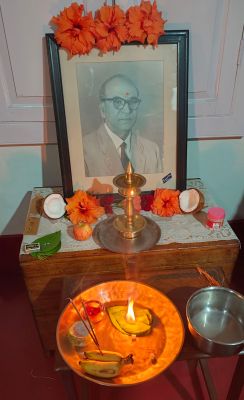
Paying Homage to Rao Bahadur HB Ari Gowder on the 55th death Anniversary !

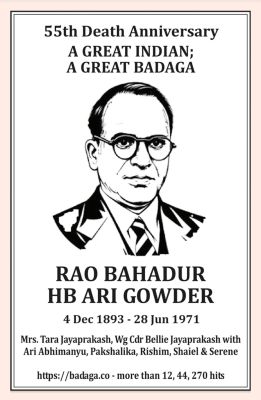
In the News Papers
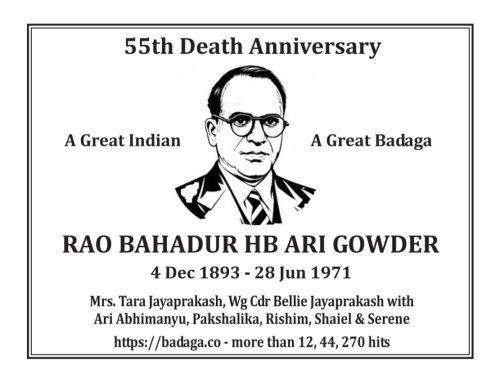


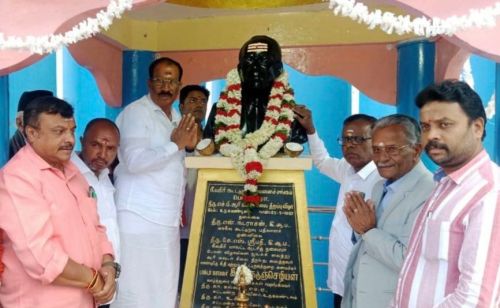


In the News Papers
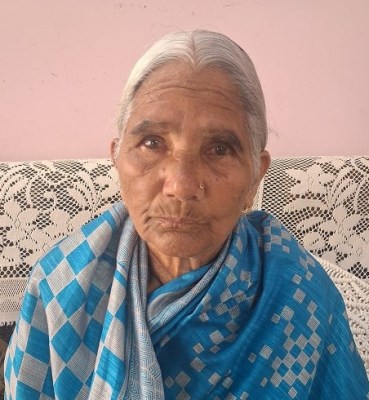
Deva Hennu
Deva Hennu, Devaru Kotta Bala
Nanjaiyya Rama, Nundhuva
தேவெண்ணுந தேவரு கொட்ட பல
– நஞ்ஜய்ய ராம, நுந்துவ
முந்தநவக்க, எடெயோ அடுவவெ எல்லாவ உந்தி தள்ளீண்டு ஓப்பநெங்கெ பப்ப அள்ளவ ’உந்துவ’ எந்து எசரு பீத்திதாரெ. இந்தெ, அத்தவ அள்ள பப்ப எடெயவு உந்துவ எந்து ஏகி பந்துதாரெ. உந்துவ எம்பது இந்தாடு ’நுந்துவ’ எந்து ஆகிட்டு அடதெ. எந்தலெ நுந்துவநொ அடுவ ஆக்கடெ ஈக்கடெ பெட்டுநோ ஊவ மே நீரு எல்லா ஆசக ஒந்து பெசெயோகெத்தா பந்தர. இத்தெ மாக்கெ உந்தி தள்ளீண்டு ஓப்பநெங்கெ பப்ப அள்ளவ தமிளுநோ ’உந்தி’ எந்து ஏகியார. உந்தி எம்பது, எரடு சாவிரபருசகு முந்தெ அட்ட குறுந்தொகை எம்ப இலக்கியதோ பந்தடதெ. [உந்தி : வெள்ளம், ஆறு (குறுந்.361:3) ; எதிர்பட்ட பொருள்களை உந்திச் செல்வதால் ஆறு அல்லது வெள்ளம் இப்பெயர் பெற்றுள்ளது.] இத்தெ உந்துவ அள்ள பப்ப ஏணுதோகெத்தா ஹெத்தெ கேரு அடதெ. ஆ எத்தெ கேரு நுந்துவ அட்டிக எப்பாயிலு மாக்கெ அட்டிக முந்தாடே அடதெ.
ஒலகக ஒள்ளித்த தந்து பப்ப ஈர மாசி ஹெத்தெ உட்டித அட்டி நுந்துவ. நாக்கு பெட்டதொ, ஜெநக ஒந்து லெக்க நுந்துவக எசரு எத்தூண்டு அடதெ. ஹெத்தெய கேந மாடி பப்பதுக ஜெநக ஒந்து லெக்க நுந்துவ அட்டி காரரு எடெமாடி பந்தூண்டு இத்0தாரெ. எத்தெ ஆலெயு ஹெத்தெய நெலெ நுந்துவநொ அடதெ. அத்தெ ஆததெந்த நுந்துவ அட்டி மண்ணுக ஆசக ஒந்து பெருமெ. ஹெத்தெ உட்டித அட்டிய எசர கேத்தலெ ஒந்து புண்ணிய. நுந்துவ அட்டிய மெட்டிலெ ஒந்து புண்ணிய. நுந்துவ அட்டியொ உட்டிலெ ஒந்து புண்ணிய. நுந்துவநொ உட்டித ஹெத்தெய கேந மாடி பந்தலெ கோடி புண்ணிய.
புண்ணிய தும்பித நுந்துவ ஹெட்டியொ சொயிக்க நஞ்ஜய்ய எம்ப அய்யநவக்க ஒப்ப இத்தரு. ஆ நஞ்ஜய்ய மஞ்ஜூரூந்த மிச்சி எம்பவக்கர மதுவெ மாடி 0பந்தரு. அவக்கக ஆல, போசு குண்ட, தேவெண்ணு எம்ப மூரு குந்நவெ. தொட்0ட அண்ண ஆல பள்ளி கத்து பாத்தியாரு கெலச மாடிதரு. போசு குண்ட அண்ணநவக்கரு பள்ளி கத்து அரமநெ (அரசாங்க) கெலசக ஓதரு.
தேவெண்ணு அக்கநு பள்ளிகூட்டுக ஓகி ஒள்ளங்கெ பள்ளி கத்து பந்தரு. குந்ந ஜெநாந்த இவக்க சாரெ பேரெயவக்கர சாரெ இல்லாத தெரமெ அட்டத்து. தேவரு தநக ஆசக ஒந்து கலிக்கெ கொட்டித்தாரெ. பள்ளீட்டுதோகெ ஒள்ளங்கெ பாடவ ஓதி பந்த. தேவெண்ணு அக்கநவக்க ஆசக ஒந்து பசந்தாகி உட்டிதாரெ. தந்ந பசந்த நோடி கெக்கட்டி அட்டியொ இத்த ஜோகி எம்ப மம்மநவக்க எண்ணு கேப்பதுக பந்தரு. அவக்க அரவங்காடு மத்து (வெடிமருந்து) பாக்டரியோ கெலச மாடி 0பந்தரு. ஆ காலதொ நங்கவக்க ஏகிதாரெ ”ஆரு காசுந சம்புவ ஆலெயு அரெமநெய கெலச” எந்து. பந்த எடெக இல்லெ எந்ந பேடா எந்துட்டு நங்க நஞ்ஜய்யநவக்க பள்ளீட்டு கத்தூண்டு இத்த தேவெண்ணு அக்கந கெக்கட்டி ஜோகி மம்மக மதுவெ கேகி புட்டரு.
தேவெண்ணு அக்கநவக்க சாரெ ஒள்ளிய ராக அடதெ. அத்தெ அடுவநெ குந்ந ஜெந எந்தவே ஒள்ளங்கெ கதெ ஏகியார. குடியோ ஏகுவ சோமி கதெ, நாடங்கெ கதெ, சாவுநொ ஏகுவ துக்க கதெ, கோலாட்ட கதெ, ஒக்கலிக்குவநெ ஏகுவ கதெ, இட்டெ ஊவநெ ஏகுவ கதெ, கஞ்ஜெ சச்சுவநெ ஏகுவ கதெ எந்து எல்லாவ ஒள்ளிய ராகதொ ஏகியார. ஏகுவவோ குந்ந ஜெநதொ ஓருட்ட கதெ, பாமெ எல்லாவ இந்நூ கேந புடாதெ பீத்துண்டு இத்0தாரெ. ஏசக கதெ? ஏசக பாமெ? ஏசக ராக? அவ்வே! அவெ எல்லாக லெக்காச்சார ஏநூ இல்லெ. இவெ எல்லாவ இந்நூ கேந புடாதெ பீத்தூண்டு இத்தாரெ. அத்தெ அடுவநெ இது பேரெ ஏநூ அல்ல. இது, தேவெண்ணு அவக்கக தேவரு கொட்ட ஒந்து பல அல்லதெ பேரெ ஏந?
அத்தெ அடுவநெத்தா நங்க தேவெண்ணு அக்கந ஒத்தேகெ, செந்நெ எந்து இத்தெ மாக்கெ எடெ எல்லாதோகெ அடுவ டி.வி. ஸ்டேஷநுக கொரசி ஓகிதாரெ. அல்லி எல்லா ஓகி தந்ந சாரெ அடுவ தேவரு கொட்ட பலவ தோரி 0பந்துதாரெ. இவக்க இத்தெ ஒராசுந எடெக ஓகி கதெ ஏகிதது எந்த நுந்துவநவக்க, கெக்கட்டி யவக்க, ஆக்கடெ ஈக்கடெ அட்டியோ இப்பவக்க அல்லாதெ நாக்கு பெட்டநவக்கவு இந்தெ பேரெ ஆ எல்லாவு தந்ந கதெய கேப்பதுக முடிதத்து. இவக்கர கதெகோவ கேப்பவக்க எல்லா இவக்க ஒள்ளிய ராகதோகெ கதெ ஏகுவதுந நோடி இவக்கர மெச்சாதெ இரார்ரு. எந்தலெ இவக்கர தநி அத்தவ ஒந்து சிங்கரவாத தநி, இவக்க ஏகுவ கதெகோவு ஒள்ளிய கதெகோ. அத்தெ அட்டது எந்த இவக்கர கதெகோவ ஒந்து திருக்கு கேப்பவக்க எல்லாகு இந்நூ கேப்பநா எம்ப ஆசெ பந்தர.
தேவெண்ணு அவக்கர கண்டு அவக்கர கதெகோவ பரவது எந்து எங்க அப்பர காலாந்த கணாந்தூண்டு இத்தியோ. அதுக இந்ந கெட்ட ஒரு சரியாந ஜாம சிக்குலெ. ஈ பருச தேவரு அதுக ஒந்து ஜாமவ தோரித்து.
’நெலிகோலு அறக்கட்டளெயோ’ இந்நகெட்ட எங்க அதிமூரு பொக்கு ஆக்கிதெயோ. படகரு மாத்து, பண்பாடு, அப்ப ஆடி, அய்ய ஹெத்தெ, ஒள்ளித்து ஒல்ல எம்பவெ எல்லாவ பரெது பீப்பது எந்து ஈ கெலசவ மாடீண்டு பந்நநியொ. கீயெ கவ்வட்டி டாக்டர் ஆலுதொரெ எம்பவக்க ஒந்து ஒள்ளிய பரெகாரரு. அவக்கக தேவரு ஒள்ளங்கெ பரவ தெரமெய கொட்டுதாரெ. அவக்கரு கஷ்ட நஷ்ட நோடாதெ அகலு இரு எந்நாதே ஏகூ ஈ கெலசவ மாடி பந்தூண்டு இத்தாரெ. எங்க பரெவ பொக்குகோவ பெவர அரிப தொட்டவக்க குந்நவக்க எல்லாவ கண்டு அவக்க ஏகுவதுந கேத்துத்தா பரெது பந்நநியொ.
ஈ திருகு ’படகர்’ (BADAGAR) எம்ப ஒந்து பொக்க பரெதிதியோ. அதுந ஜூலை 3 ஆந் தேதியோ (03-07-2016) ஒத்தேகெயொ அடுவ YBA மண்டபதோ ஒந்து ஒசகெ பீத்து எல்லா அதுந நோடுவநெ எங்கெ ஒராசு புட்டியொ. ஆ பொக்கு ஒராசு புடுவ ஒசகெக கெக்கட்டி தருமந எண்டரு சரோஜநவக்க தேவெண்ணுந கூட்டி பந்தரு. ஆ ஒசகெ முடித மேலெ தேவெண்ணு ’கோலி திப்பெ’ பாமெய அத்தெ ஒந்து ஒள்ளங்கெ ஏகிதரு. அதுக எரடு மூரு கதெகோவு ஏகிதரு. அவக்க ஏகிததுந எங்க பரெது புட்டியோ. அது அத்தெ ஒந்து ஒள்ளங்கெ அடதெ. தேவெண்ணுநவக்க கோலி திப்பெ பாமெ ஏகி பப்பநெ அல்லி இத்த எங்க எல்லாக கண்ண நீரு பந்து புட்ட. அது நங்க மநச இகப்பநெங்கெ அடுவ அத்தவ ஒந்து ஒள்ளிய பாமெ. அதே மாக்கெ உடுகு ஜோகி நாடங்கெயவு ஏகிதரு.
இத்தெ மாக்கெ நங்க கொலவ பத்தி அரிதிப்0பவக்க ஏசகோ ஆ இத்தாரெ. அவக்கர அரிசி காம்பதுகத்தா கஷ்ட. இதுந நோடுவவக்க, தங்க அரத பெவர அரிதிப்பவக்கவ எங்கக தோரிசிவி. நிங்க அரப ஜோலிகோ, குந்நது ஆலெயு புடாதெ ஏகிவி. ’நெலிகோலு அறக்கட்டளை’ மாடுவ கெலச எல்லா ஒந்துகூடி மாடுவ ஒந்து தொட்ட கெலச. அத்தெ அட்டது எந்த நிங்க எல்லா ஈ கெலசக ஒத்தாசெ தப்பது எந்து கேத்தூண்டு இத்தெயொ.
ஒந்து சேபோ, ஒள்ளித்து மாடுவோ
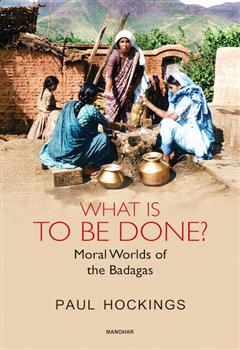

What is to be Done? explores a subject not usually examined in social anthropology namely – the moral choices that members of a community make as they go about their daily lives. Rather than seeking this information from what selected key informants among the Badagas have to say about the matter, Dr Hockings analyzes the contents of a vast collection of their proverbs, along with a few prayers. He sees these two sources as traditional advice on what Badagas should do or not do in various personal circumstances. An earlier collection of their proverbs, made in the 1850s by a German, reveals how little this advice has changed in modern times. Dr Hockings shows how moral values can be categorised, some of them being very broad, like anger or industriousness, while others relate to quite specific objects, like ploughs and salt. Personal behaviour is conditioned by directives like taboos, rules of etiquette, time-honoured customs, even blessings and curses. The final chapter of the book looks at the lifestyle of well-to-do professional Badagas working in big cities. This raises questions about urban behaviour in the future, indeed whether the Badaga language will survive into the distant future.
About the Author
Paul Hockings is a British anthropologist and Professor Emeritus of Anthropology at the University of Illinois. He has studied anthropology, archaeology and linguistics at the universities of Sydney, Toronto, Chicago, Stanford and California (Berkeley).
Among his two dozen books are fourteen on the Nilgiri area in south India, most of them dealing with the Badaga community.
This book can be ordered online – https://www.manoharbooks.com/BookDetails/219487/What-is-to-be-Done-Moral-Worlds-of-the-Badagas
Posted in badaga
Dr. Supriya is from KIL THORIHATTI, daughter of Raman Subramani and Padmavathi. She is a Lecturer in Bioethics, Faculty of Medicine and Health at the University of Sydney, Australia. She is M A., Ph.D and her bio reads very interesting (https://profiles.sydney.edu.au/supriya.subramani ). Badagas are spread all around the globe and in in many specialised fields and subjects. She is an inspiration and motivation to Badagas in general and women in particular,
We are proud of you, Supriya – Wg Cdr JP
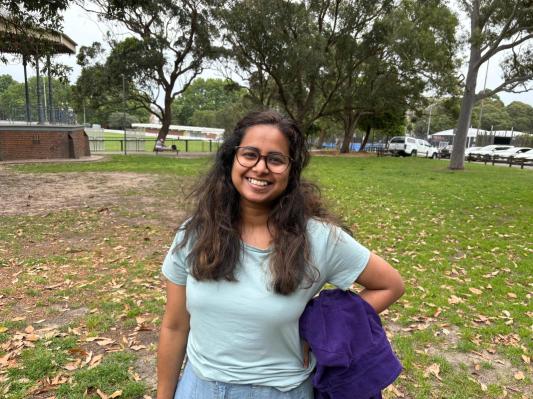
Supriya Subramani grew up in Kadabagere and did her schooling in rural Bangalore. She later completed her master’s in Rajiv Ghandi National Institute of Youth Development and doctoral studies in IIT Madras. Her life and work have been shaped by many experiences, including growing up through phases of poverty, living within patriarchal norms, facing discrimination, and carrying her Indigenous Badaga identity.
Supriya is deeply curious about how people think, feel, act, and make sense of life. Her work asks important questions: What does it mean to be treated with respect? How do people feel when they are humiliated or ignored? How do we build relationships, communities, and belonging? How do injustice and discrimination shape how we see ourselves and others?
Currently, she is a Lecturer/Asst Professor in Ethics and Critical Theory at Sydney Health Ethics, School of Public Health, University of Sydney, Australia. Her research focuses on moral emotions, interpersonal relationships, self-respect, respect for others, othering, and belonging. She uses critical philosophical, ethnographic, and phenomenological approaches to understand people’s lived experiences, especially in health, illness, migration, chronic pain, and community life.
Many people, cultures, and communities have already shown us different ways of seeing, knowing, and living in the world. Her first book, Passive Patient Culture in India: Disrespect in Law and Medicine, looks at how patients in India are often expected to remain passive in medical and legal spaces. The book explores how disrespect becomes normalised, especially for people who are already marginalised by caste, class, gender, poverty, and other social structures. The book has received recognition from scholars across different disciplines. But at its heart, it speaks about dignity, self-respect, and the need to challenge cultures of silence and disrespect.
Across her research, teaching, writing, and community conversations, Supriya is trying her best to learn, unlearn, and relearn. She hopes her work can contribute, to a world with more courage, respect, and belonging.
In her current work, Supriya is working with communities in the Nilgiris to understand their perspectives on health and the intersections of structural injustice. This work continues her commitment to listening carefully to people’s lived experiences and learning from community knowledge.
AWARDS & Fellowships
March-April 2026: Tema T Fellowship, Linköping University, Sweden
Dec 2025: Dean’s Citations for Teaching Excellence, Faculty of Medicine and Health, University of Sydney
Sep 2025: SHI Mildred Blaxter New Writer’s Prize
March 2025: Fellow of the Higher Education Academy (FHEA). Awarded in recognition of attainment against the UK Professional Standards Framework (UKPSF) for teaching and learning support in higher education.
Feb-March 2023: Writing Residency Fellowship at the Brocher Foundation, Geneva
Sep 2020 – March 2021/Aug- Dec 2022: Stehr-Boldt Fellowship Award, University of Zurich
2019 – 2020: Swiss Government Excellence Post-Doctoral Scholarship, Switzerland
July 2019: Asian Bioethics Review Young Scholar Award, National University of Singapore (NUS) and Springer Nature
2019: Institute Research Award for Best Doctoral Thesis, Indian Institute of Technology Madras, Chennai
2015 – 2018: Senior Research Fellowship, University Grants Commission (UGC),India
Sept – Nov 2016: Junior Research Fellowship, Centre for Advanced Study inBioethics, University of Munster, Germany (Project funded by German Research Foundation, DAAD project)
May – Jun 2015 Junior Research Fellowship, Centre for Advanced Study in Bioethics, University of Munster, Germany (Project funded by German Research Foundation, DAAD project)
2013 – 2015 Junior Research Fellowship, University Grants Commission (UGC), India
2012 First Rank Holder, M.A., Rajiv Gandhi National Institute of Youth Development, Sriperumbudur, India
2010 – 2012 Merit Scholarship awarded by Rajiv Gandhi National Institute of Youth Development, Sriperumbudur, India
For more details about her work, visit: https://profiles.sydney.edu.au/supriya.subramani or www.supriyasubramani.com

Now you can access our website www.badaga.co on your smart phone.
Remember to access many multi media posts like Badaga Songs and Dance.
 Enjoy! Your feedback is most welcome!!

What we know about Badaga, both language and people, is less than what we DO NOT KNOW ABOUT THEM

my mother, Mrs.Idyammal Bellie Gowder,

my uncle Rao Bahadur HB Ari Gowder and

my grand parents Rao Bahadur HJ Bellie Gowder and Nanji Ammal
Barivi, Nodivi, Oridivi, Odhivi !
Now you can access our website www.badaga.co on your smart phone.
Remember to access many multi media posts like Badaga Songs and Dance.
Enjoy! Your feedback is most welcome!!
 | Mahesh Joghee Gowder on Proud of you DEVA HENNU ! |
 | Supriya Subramani on Tribal Status of the Bada… |
 | inventive71d7cc920c on Seemae [See’may] & M… |
| Riya on Seemae [See’may] & M… |
 | sekaran on History of Beragani Hethe |
 | Krish on Marriages between hattis from… |
 | Joghee Raman on Ari Gowda – 132nd Birth… |
 | Must Visit to know a… on © Copyright |
 | Gokul Gowder on Lt. Meera, First Badaga Lady N… |
 | Elisabeth Jensen on Nice to see these ladies with… |
 | Meghna on Learn Badaga |
 | Gokul on Seemae [See’may] & M… |
| Mahesh Joghee Gowder on Indrani Radhakrishnan at Cambr… |
 | freemortally2a5fac29… on Hethey Habba at Hubbathal… |
 Proud to be an Indian : Proud to be a Badaga
~~~~~~~~~~~~
This website is Designed, developed and maintained by Wing Commander Bellie Jayaprakash ~~~~~~~~ |
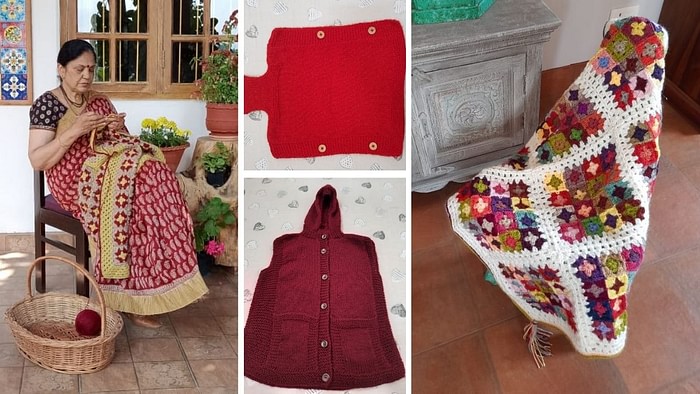
Tara's Creations
Namaskara – Greetings [Namasthe – Vanakkam],
Ollengay Iddhaya? – How are you?,
Ninna Hesaru A’ena? – What is your name?,
Maduvay aagi buttava? – Are you married?,
Nee a’ hattigha koodidhe? – You are married to [the boy/girl from] which village?,
Appara Santhosha – Thank you very much.
Aakkaday – That side,
Eekkaday – This side,
Horasu – Outside,
Baa – Come,
Bannay – [I] will come,
HOnay – Will go,
Hadadha’ya – Is it there?
KaaNay – Missing
>>
More than 1028,000 visitors
################################

::::::::::::::::::::::::::::::::::::::::::::::::::::::::::::::::::::::::
Aakkaday - That side, Eekkaday - This side, Horasu - Outside, Baa - Come, Bannay - [I] will come, HOnay - Will go, Hadadha'ya - Is it there? KaaNay - Missing
<><><><><><>><><>><><>
More than 1026,000+ visitors
################################
:::::::::::::::::::::::::::::::::::::::::::::::::::::::::::::::::::::::::::::::::::::
Now you can access our website www.badaga.co on your smart phone.
Remember to access many multi media posts like Badaga Songs and Dance.
Enjoy! Your feedback is most welcome!!
 In Badaga, MOON is ‘THINGUVA’, Full Moon is “HUNNAWAY” & New Moon is “MUTTU”
☂ ☂☂☂☂☂ ☂
|
|
Do you feel very strongly about any issue concerning Badaga Community? Have the urge to pour your heart out ? Feel free to express yourself without any inhibition and send them to bjaypee@gmail.com


Tiger is HULI in Badaga Lanuage

Here's a question that was posed to the Dalai Lama:
"What thing about humanity surprises you the most?"
His answer is : "MAN - Because he sacrifices his health in order to make money. Then he sacrifices his money to recuperate his health. And then he is so anxious about the future that he doesn't enjoy the present,
And as a result he doesn't live in the present or the future. And he lives as if he's never going to die and then he dies having never really lived".
Donate Your Eyes
 ==
==




![Seemae [See'may] & Morae [Mo'ray] (relationship)](https://i0.wp.com/badaga.wordpress.com/files/2008/11/nakku-betta1.jpg?resize=200%2C200)


 Mookuthi
  Chinna