Category Archives: badaga

Happy Deepavali !

Wishing you all a very happy Deepavali !

https://i0.wp.com/www.arrowtimesmedia.com/wp-content/uploads/2012/11/Deepvali1126.jpg

On this festival of lights, may happiness fill our hearts and the darkness of jealousy (uri in Badaga) be driven away !!

Though Deepavali is not one of the traditional festivals (habbas) of Badagas, it is celebrated in some hattis, especially in Kundah Seemay as a habba.

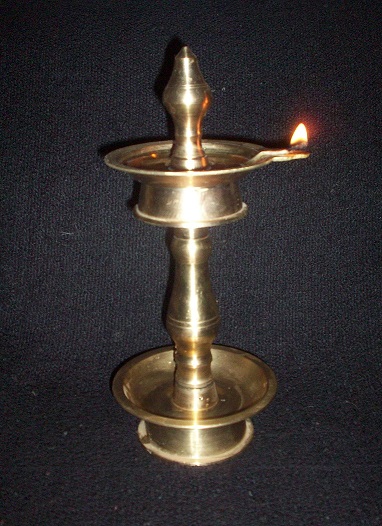
By the way, Deepavali is ‘lighting’ of oil lamps. Badagas have a great tradition of ‘lighting’ the DEVIGE (lamp) everyday in the evening. Badaga Devige is slightly different from the traditional south Indian lamp (kuthu Villakku). It is shorter.

100_9015

In good old days, this lamp was made out of tree bark and called ‘kattey devige’. The oil used was THUPPA – pure ghee (clarified butter). This lamp is placed on the ‘madillu’ – the arch opening connecting the idha mane and ogha mane (inner and outer rooms).

[more on this in a future post]

Henry Marriott (Australia) – comments
Genomic studies have shown that the haplogroup to which the Badagas belong is R1a1 which is shared by the Vikings and also people from East and Central Europe and by Punjabis. Ages ago there might have been a diaspora from Europe through Afghanistan to Karnataka and eventually to the Nilgiris. This haplogroup is shared by the Kodava. Who knows? It is a plausible hypothesis.

‘Morey’ and marriages….

Sangeetha  Sir, can we get married from Kundhae semae to Ketti.Both are entirely different semmae and its so strange about this restriction. Please can I know more about this?

There are a lot of emails I get from youngsters wanting clarity on Morey and its ‘unjustified restrictions’ on marriages. While we see the alarming trend of many Badagas getting married to outsiders, atleast, some of these ‘naadu jana madhuvey’ is due to the confusion and complications created about Morey. With the changing times, it is high time, we give a serious thought to this system. What was intended by our fore fathers to be scientific restriction to stop ‘in breeding’ among close relatives, has unfortunately, gone a bit too far – unreasonable restriction by the un/semi informed.

If at all, there are important ‘reforms/reinventions’ to be done about certain traditions and customs, ‘Morey restrictions’ should come on top.

An informal assembly of informed and educated Badagas from all the four Seemays that includes both MEN and WOMEN should deliberate, discuss and decide on this issue on high priority.

Million dollar question is – who will bell the cat?

Hello there…

In our constant efforts to make this website a great one, we try our best to get the most suitable theme with widget options !

You, the regular visitors, numbering more than 150 per day, are the true motivation.

Your visit gives me the Vitamins. Humbled but honoured!

The problem is, I do not know how to thank you !

****************

11 October 2014 – The International day of the girl

Badagas are no exception in treating girls as NOT equal(s) to boys.

Let us change that perception !

Did you know?

  • Roughly 1.65 billion women and girls around the world are officially classed as “poor”. This is double the amount of men in the same category.
  • 35% of women worldwide have been subjected to either physical and/or sexual intimate partner violence or non-partner sexual violence.
  • One in three girls in low and middle income countries will marry before the age of 18 and one in nine will marry before they reach their 15th birthday.
  • Pregnancy and childbirth complications kill more 15-19 year old girls around the world than any other cause.
  • Half of all sexual assaults are against girls aged 15 and under.
  • Every year 47,000 women and girls die from unsafe abortions.

Remember ….Empowering a girl is empowering the whoe family and society!

IPPF - From choice a world of possibilites

visit – http://www.ippf.org/International-Day-Girl

You can also sign I DECIDE MY FUTURE petition that will be sent to UN Secretary General Ban Ki Moon in the summer of 2015 with a million signatures!

______________

Child Labour

Dharmalingam Venugopal

1960 Child labour in match factoryPicture courtesy: Nilgiri Documentation Centre

It is said a picture is worth a thousand words. This picture was taken in the 1960s at a match factory in Sivakasi by Late Philo Hiruthayanath to highlight the plight of child labour. 
 
Hiruthayanath is no more but the child may be around, about  the same age as Kailash Satyarthi, the Nobel laureate who has been recognized for fighting child labour world wide. Perhaps it was a sight like this which inspired him.

___________

Flora and Fauna

[Reproduced]

The Badagas have attached a lot of importance to flora and fauna for thousands of years.

In fact most of the names of Badaga Hattis (Villages) are based on ‘Nature’.

For example , the name ‘ Hubbathalai ‘ ( a village near Aravankadu Railway Station) is based on a plant ‘HUBBE THALE ‘. ‘ Bikka mora hatti’ (another village) gets the name after the tree BIKKE (a kind of olive) MORA (tree)

****************************************

Thumbay Hoo – Thumbay Flower

Wild Leucas aspera (Badaga:Thumbay Hoo,Tamil: தும்பை tumpai). Thi...

Image via Wikipedia

This flower finds a a lot of importance/mention in Badaga Festivals and rituals.


~~~~~~~~~~~~~~~~~~~~~~~~~~~~~~~~~

Bird or Flower ??

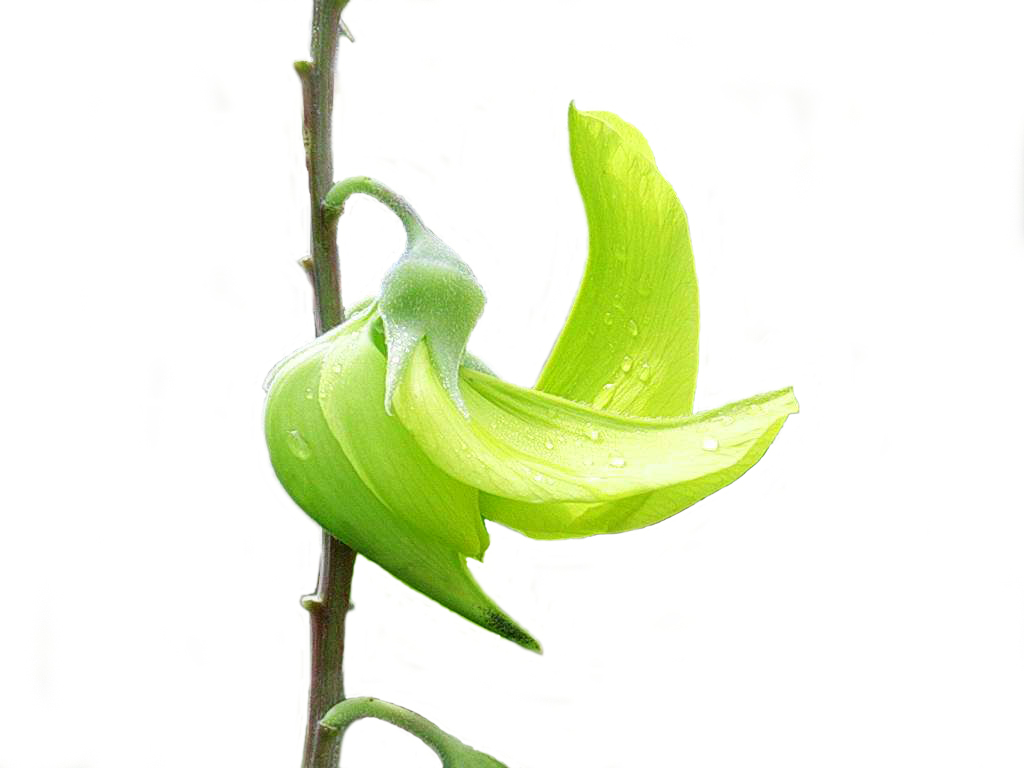
bpinwhitebg.jpg

The beautiful flower bird

Badaga folklore is full of glory about Nature. The Nilgiri Hills are endowed with rich flora and fauna, a true gift of mother NATURE. Of the many wild flowers, this particular one which grows on a short wild tree near many villages, has always fascinated me, where it appears that mother Nature created a bird as a flower….or is it a flower as a bird ? !

*************************************************************

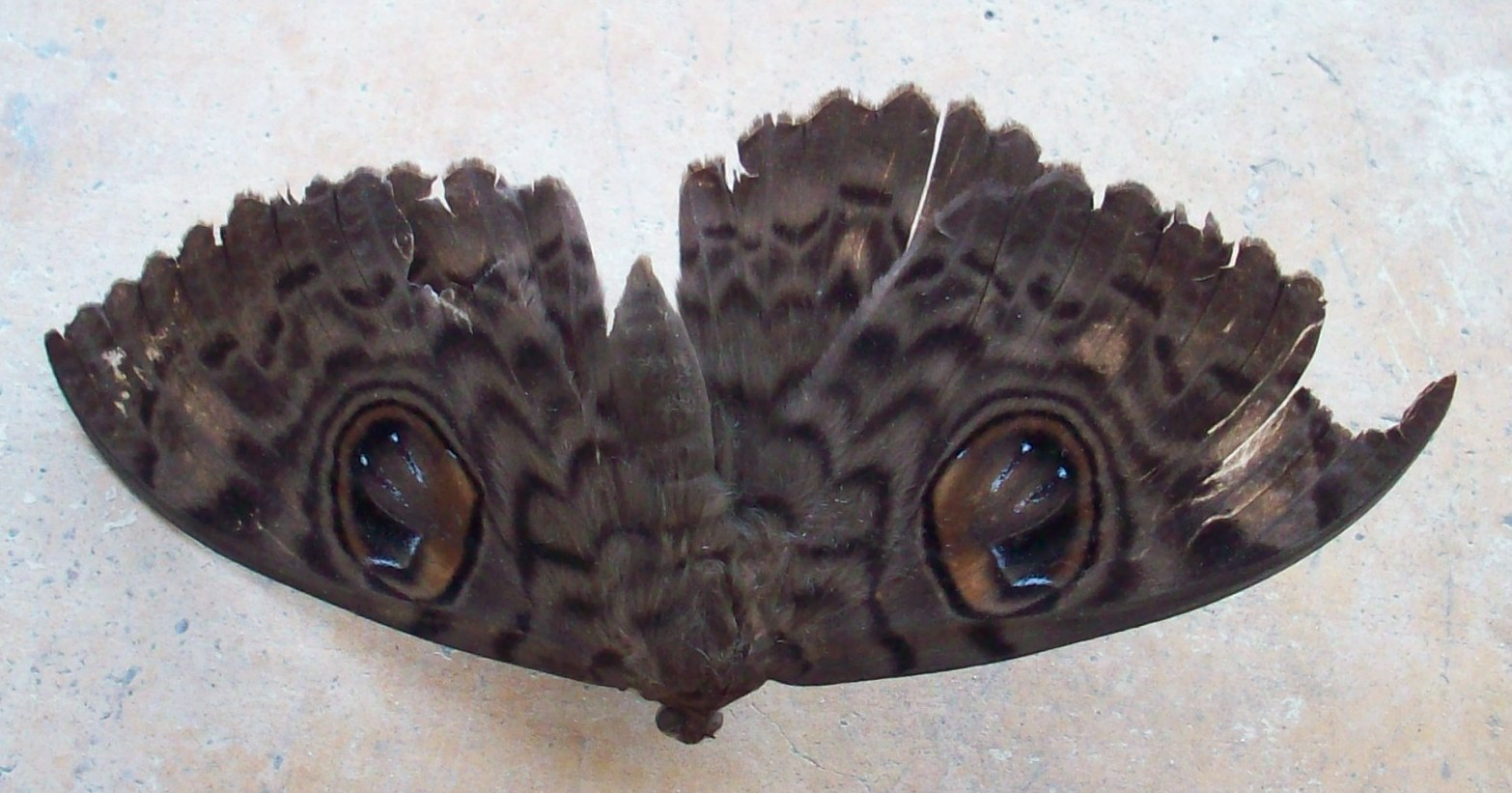
copy.JPG

A miniature pet ??? “.

Another instance of Nature at its best. A ‘Kambli Poochi’ at our residence at Coonoor.  The day after I took this snap, I was desperately trying to locate it again, but……it has just vanished !! Any insect is called ‘hoo’ in Badaga. Incidentally, ‘hoo’ also means flower.

XXXXXXXXXXXXXXXXXXXXXXXXXXXX

Seen this animal somewhere?

4a

004

Oh..yes..it is a butterfly..’bendu’ in Badaga

~~~~~~~~~~~~~~~~~~~~~~~~~~~~~~~~~~~~~~~~~~~~~~~~~~~~~~~~~~~~

Also, see the beautiful blue mountains here – the-picturesque-nilgiris

Creative Alliance for Nilgiris- CAN

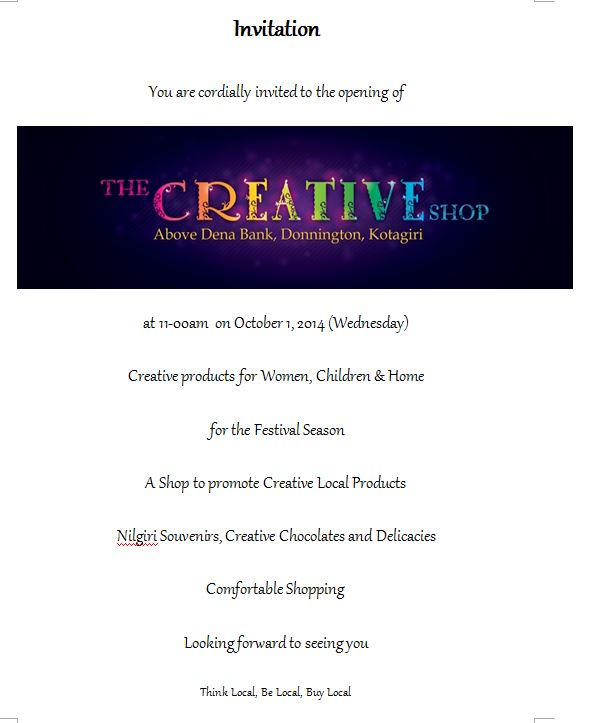
The Creative Shop (Creative Alliance for Nilgiris- CAN)

DV Shop Dharmalingam Venugopal [Honorary Director, Nilgiri Documentation Centre, Kotagiri, The Nilgiris, Cell #9444365360] writes : I have great pleasure in welcoming you to the opening of The Creative Shop at Kotagiri, The Nilgiris on Oct 1, 2014 A  note on what  The Creative Shop is all about follows. You are aware that Financial Inclusion is being implemented in the country with great vigor and vitality both by the previous Congress government and the present Modiji’s government. Mountainous regions of the country pose special challenges to inclusion because of their terrain, communication and transport difficulties and tribal or indigenous nature of their population. In 2012, while working as the Economist of Indian Overseas Bank, I suggested to my good and respected friend, the then Deputy Governor of Reserve Bank of India, Dr. K.C.Chakrabarty, who was spearheading the financial inclusion movement in the country, that I would try a pilot experiment in the Nilgiris among the Todas. He readily agreed and Dr. M.Narendra, the Chairman and Managing Director of Indian Overseas Bank was only too eager to join. Normally, the lead bank of the district, Canara Bank in the case of Nilgiris, should take the lead. But an exception was made in my case. When some reporters asked why restrict the project to just one tribe, Dr. Narendra promptly extended the project to all the Primitive Tribes of Nilgiris. When, later, Dr. Chakrabarty came to inaugurate the project, he was so impressed with the project that he announced an exclusive Rural Self Employment and Training Institute (Rseti) for the Primitive Tribes of Nilgiris to be set up at Kotagiri by Indian Overseas Bank. Normally, the Lead Bank of the district runs such institutes at the district headquarters, Ooty in this case. The Nilgiris is, perhaps, the only case where there are two such institutes. Under the Financial Inclusion of the Primitive Tribes of Nilgiris, more than Rs.4 crores loans have been given. Seven Banking Correspondents, mostly tribals, have been appointed. In the last two years, the  Kotagiri Rseti run by Indian Overseas Bank has trained a number of candidates in a variety of self-employment opportunities. Then, a question was asked. How will these trainees, mostly women, be able to market their products viably? We then came up with the idea of forming a Creative Alliance for Nilgiris (CAN) to impart confidence to the trainees that anybody ‘CAN’ do it. The Creative Shop is the first initiative under CAN. The Creative Shop will promote all kinds of local products and services. It will also bring creative products from all over India so that local producers can learn how creative products are made in other parts of country. To start with we have ordered all racks from the Lantana Furniture produced by the Eco-development and Sustainable Livelihood Society at Moyar. We hope to leverage the extensive network of the branches of Indian Overseas Bank through interested employees and retirees to identify creative products in different parts of the country. They will also be encouraged to launch similar Creative Shops so that eventually there can be network of such shops promoting the products produced by the trainees of Rsetis throughout the country. For  details contact scindiababu@gmail.com or 9487071793

We appeal : To the Press and Media for extensive publicity to our endeavour. To the Corporates and Banks to consider supporting us through their Corporate Social Responsibility To the Government and administration to support us through any of the social development projects. To the IOBians, past and present, to support this sincere initiative.

VenugopalDharmalingam Venugopal is a great and committed Badaga who ‘looks beyond what you see’. His tireless efforts to make Nilgiri Documentation Centre a source of information have brought laurels from all over the globe and has become a ‘must see’ for the informed tourists. I take great pleasure in wishing him the very best in his new endevour and have no doubts that ‘CAN’ will be a great success. Yes, we CAN – Wg Cdr JP

Make Madison Square as MODIson square!

Update 3-10-14:- Prime Minister Modi’s USA visit was a grand success. At Madison square, the treatment he received was simply great. How many Badagas in USA attended the meeting…?

Indian Americans – Badaga Indians The surprising but highly satisfying fact is that out of 334,000 + visits to this website on and of Badagas, a large number is from USA. Next only to the number of visitors from India. Needless to say, a majority of them are YOUNG BADAGAS. Like many other  Indian American communities, these Badagas have done exceptionally well for themselves, to America (the country they have chosen to be citizens of) and to India (the country of their origin). One guesses that there are more than 300 hundred Badaga families spread around many states of USA. Some of them are settled there for decades and are more Americans than Indians. Sadly, a minuscule minority among this ABC (American Badaga Community) are ashamed to call themselves Indians let alone Badagas. These ‘doreys and dorasaanis’ do not speak Badaga nor follow any of our customs. They have, cut off their connections with the ‘roots’. But, lo and behold, whenever they pay a ‘royal’ visit to their hattis and families, they involve in petty politics and are more concerned with creating confusion and ill will among the relatives than bringing peace and unity. Being truly materialistic, their only motive is money. Fortunately, and one hopes feverishly, they form only a very small group. But the majority of  American Badagas are ‘proud Indians’ and ‘prouder Badagas’. They have made the rest of us, proud of them. Now a small appeal to all of ABC. Prime Minsiter of India Narendra Modi is visiting USA from 25th Sep 2014. He is there for five days. He is not another Indian PM visiting the USA. He is simply different. Have no doubts that he will change the perception of India. Specially to the Indians in America. Hopefully the American Badagas.

700,000 डॉलर में मोदी के लिए बुक मैडिसन स्‍क्‍वॉयर गार्डन

So, please be at Madison Square to attend Modi’s rally and make it a MODIson square. Meet, mingle and make merry with other Badagas. Exchange a few pleasantries in your mother tongue. If possible make ‘avare and koi udhakka in typical Badaga style ( see our page for these recipes).

 Eat, enjoy, dance and celebrate.

Make India proud! Make Badagas proud!!

Indian Prime Minister Modi’s Madison Square Garden Event Sold Out

Badaga Recipes

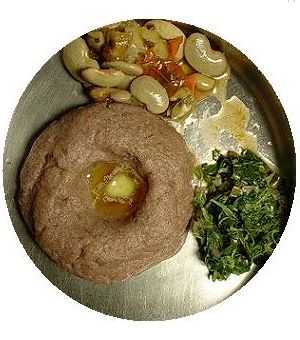
ErigittuErigittu with Thuppa, Avare Udhakka and Keere Soppu

 https://badaga.co/wp-content/uploads/2007/03/misc7307-001.jpg

Thuppadha hittu or Enne Hittu

Badagas usually grow vegetables in their small patch(es) of land called ‘HOLA’ (see photo) for their regular use apart from other commercial crops like potato, cabbage, carrot and cauliflower etc. These would also include many varities of beans, peas, greens, corn etc. Every variety of avere(bean) has a specific (sometimes unique) badaga name. No Badaga wedding meal is complete without ‘Avare & Gaasu udakka’ [beans & potato curry]. Incidentally, Badagas do not serve non-vegetarian (meat) dishes on the wedding day , main meal is called – ‘maduve hittu‘. Another great trait among these simple peasant people is called ‘nattu‘ – a sort of gift (again mainly the home grown vegetables & grains) given to relatives, friends and guests.
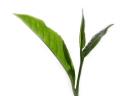
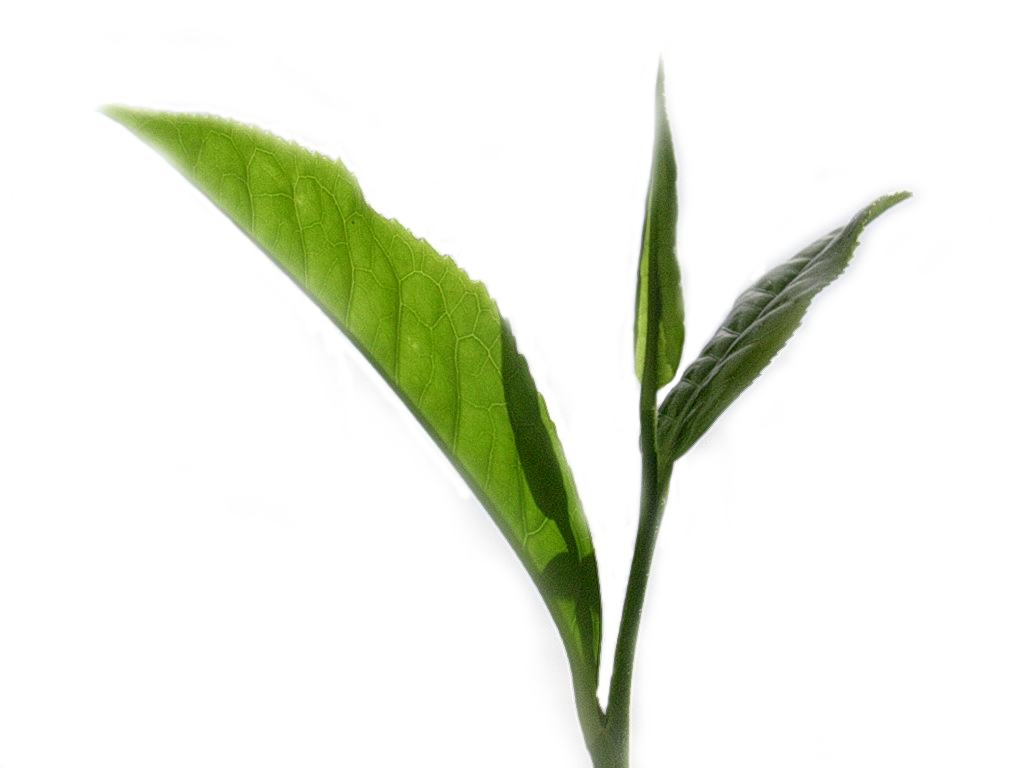
Tea >>Tea Leaves… the crop on which Badaga ‘economy’ depends so much..

The agricultural produce, food, dishes, eating habits and some interesting recipes of Badagas.
Apart from badaga.org, I am thankful to N.Bellie, R.Ramachandran (Kekkatty) and others for their imputs. A lot of info is from Prof.Paul Hockings’s books.
I have tried to discuss and describe, not only of authentic recipes on Badaga dishes but also on their agricultural produce, known in Badaga language as BAE – like for example Badagas used to grow wheat, barley, millet – GHODUME, GANJE, ERAGI, BATHA –etc but have almost completely stopped now.

The food, eating habits, preparations of some dishes as well as the ingredients used are covered. along with the methods used in cooking (like in a mud pot known as MADAKE in traditional fire place – OLE)

It must be mentioned that though many masala powders are available in the market, the Badagas use a specially prepared curry powder known as ‘ BADAGARU MAASU HUDI’ in their preparations.

I remember my childhood days when the dried GANJE / GHODUME (barley/wheat) used to be spread in the fore court of the houses called KERI (street) , between two groups of Hatti HEMMAKKA (ladies) squatted opposite to each other with GANJE DHADIS (sticks of about four feet long and an inch thick) systematically & alternatively beating to remove the chaff. The rhythmic ‘tak tak’ noise would be accompanied by some folk lore Badaga songs. This is known as GANJE SACHODHU.

How can anyone forget the GANJE that would be HURUTHU fied (fried) in a HURI MADDAKKE (mud pot with a hole on its side) through which a HURI KOL (a short stick with cloth tied at one end as a ball) would be inserted and the contents stirred constantly for uniform frying?

Huri Maddakke >

The fried ganje called GANJIKKE would be taken with BELLA (jaggery) and THENKE (coconut). The taste of this would increase if hurutha keerai is added. Used to be a very common snack during the “kodai” season when no one can venture out on account of severe wind and rain.

This ganjikke would be powdered in a ‘ BEESA GALLU ‘ or ‘BEESARAN KALLU’ ( grinding stone ‘flour mill’) that was a permanent feature in the EDHA or NADU MANE and stored for furture use. People who go on long journeys (in olden days travel was by foot only) took this powder along with them, a very handy and healthy meal. This powder would be mixed with hot water to make a gruel. Salt and jaggery could be added to taste.

[ Also see BADAGA RECIPES]

[Illustration by Bellie Jayaprakash]

Edha Mane (notice the Beesa Gallu (Grinding Stone-mill) at the right bottom corner. The corner is called GOTTU MOOLE)

(Buttermilk) MAJJIGE [ also known as – Pay’ray’] KADANJODHU or HAALU SORAKKODU( milk churning ) used to be a routine job and great fun for the children in trying their hands. The BENNE (butter) and THUPPA (ghee or clarified butter) are very healthy. When taken with ERAGI HITTU (wheat ball in the size of cricket/hockey ball), it is very tasty.

EEGAVE THIMBUDHUGA AASE BANDHARAVA ? (don’t you feel like eating now)?

POTHITTU (wheat dosai) has to be an all time favourite of Badagas. During SAKKALATHI HABBA (the last festival before HETHAI HABBA ) POTHITTU with THENKE NEERU (coconut water) is the main dish.

What about dishes like OTTU KUDI UDAKKA (bamboo shoot curry) which can put any BAADU UDAKKA (non veg curry) to shame?And KOONU (mushroom) preparations?

There are many side dishes like SOPPU, BARRATHA AVARE , GAASU SANDEGE Then the question of how to ERAGI HITTU HOKKUDU (make wheat ball?) or make HABBA (festival) specials like BADE (vadai) KAL KAL (sweets made out of maida) etc etc.

Talking about chutney – GAASU SANDEGE , when GAASU (potato) is cooked in KENDA (ember) – SUTTA GAASU – and mixed with UPPU & OLLIYA MAASU (salt & pepper) it really tastes great ……umm…really mouth watering.

Incidentally, a DODDARU SHULOKA (Badaga Proverb) goes like this ; GHANDA (GHANDU) ILLADHA MANE HOLLA, GAASU ILLADHA UDAKKA HOLLA” meaning : -” without a man(husband), house is bad ; without potato, curry is bad”

I was pleasantly surprised to know that Taj Garden Retreat hotel in Coonoor (in the Nilgiris) serves some exclusive Badaga specials like THUPPADITTU & OTTU KUDI curry.

“Since the British lived here for long, there was a mix of the English food with the local ingredients – mostly, the native Badaga food. Thuppathittu, is an example. That makes it different from the typical English food…..For vegetarians, … Ottakudi Gassu poriyal ( a typical Badaga food of potatoes, spices and bamboo shoots), …. Avarai Uthaka (traditional Badaga speciality), Khuni khichri (spice preparation) and Gassu Dhotti (boiled potato preparation)”

http://www.expresshospitality.com/20050808/viewpoint02.shtml

Rasam is called MAASU NEERU ( milagu thanni in Tamil that has found its way into dictionaries).BATHA HOKKUDHU was done by elephants in ancient period, and till a few decades ago, by 50 to 60 bulls and cows brought from the plains (mainly Avinashi near Coimbatore) to the villages and mostly done during night time. One of the methods/processes in storing/pruning our farm produce ERAGI (millet) is known as ” ERAGI METTODHU ” (Stamping).

This is done on the green ERAGI stems freshly harvested from the fields. A bunch of this is put indoors on the floor and squeezed by bare feet . This is done mainly in the night in the EDHA MANE (middle room) and stored in the DHARSAE PETTI / BALLA (storage basket) which is located on top of the HAGALAE (permanentally fixed long wooden plank from wall to wall that also served as a huge cot) in the EDA MANE . See the illustration above.

BALLA or BALLA PETTI is a big cylindrical basket for storage and fixed to the wall/floor by cow dung. There would be hole at the bottom to take out the grain. The hole is sealed with cow dung and removed whenever required. Smaller storage basket is called KUKKE. Depending on the usage they are known as BENNE KUKKE (butter basket), HUYIGAL KUKKE (multi utility basket), DODDA KUKKE (big basket) with a handle to carry mud to clean the temples before puja in the olden days and of course, the GANJIKE KUKKE with smaller baskets attached to a central bigger one used in SAVU (funeral) rites. MAKKIRI was a larger basket used to carry food items to fields (HOLA) and on long journeys.

BESAKATTI is a large flat basket, used for drying grains, hung above the fire place/ hearth ( OLE ) in the inner room (OGE MANE) of a Badaga Home during earlier days.The basket is suspended from the beam with wire rods /ropes (KANNI).

There are a lot of DODDARU SHULOKAs on BALLA (storage container for grains). A couple of them are listed here :

Ballada hattale siri, Kukkeya hattale uri” ,

Baavava balla ethone getta, badava baathu satha

visit Badaga Recipes for more

Continue reading

Nilgiri poetry day

Dharmalingam Venugopal

[Nilgiri Documentation Centre, (Camp) Ahmedabad]

A Nilgiri poetry day will be celebrated as part of the Ootacamund Day on September 13 at the Book Club of Nilgiri Library jointly with the Nilgiri Documentation Centre, Kotagiri. The day will mark the centenary of Nobel prize winning Mexican writer Octovia Paz who wrote a memorable poem on Ootacamund when he was the Ambassador of Mexico in India. The Blue Mountains have inspired poetries of several kinds for hundreds of years. The rich content and melodies of Toda, Kota and Badaga songs are living testimonies of this. The Nilgiri mountains have also inspired the  visitors to pen many memorable poetry. Lord Tennyson mentioned the sweet Nilgiri air in this poem , ‘Brook’. Lord Macaulay is said to have got his ideas for some of his epic poems while his sojourn in Ooty. Later Percy Macqueen, Collector of Nilgiris, collected many folk songs, and donated his manuscript to the Madras University Library. Tamil scholar Ki.Va.Ja. edited the collection, which was published by Saraswathi Mahal Library in 1958. Ki.Va.Ja gave the collection the title ‘Malaiaruvi’. Justifying the title, he compares folk songs to the untrammelled gushing of a waterfall. A folk song, he writes, is like a flower that blooms on an untended plant in a jungle, in contrast to the structured verses of poets, which can be compared to a carefully nurtured jasmine creeper. Macqueen also wrote published  a book Todaland, a collection of his  poems on Nilgiris. Hilton Brown was an ICS officer and Collector of Nilgiris in the 1940s, who wrote a history of Parry & Co, Parry’s of Madras, in 1954. A prolific writer between the 1930s and the 1950s, he wrote a dozen novels, including, Dictators LimitedSusannaLocust FoodThat State of Life and Asylum Island, two collections of short stories, Potter’s Clay and Maya, three collections of verse, including Both Sides of Suez and The Gold and the Grey, two critical biographies — of Rudyard Kipling and Robert Burns — and an anthology titled The Sahibs that he edited and a non-fiction memoir, The Civilian’s South India. Brown wrote several poems on Nilgiris. Beyond the Jungle, a Tale of South India which was published by the Edinburgh publishers William Blackwood  in 1968  was supposed to have been written by  a Sita Rathnamal  who was believed to be a Irula girl from Kil Kotagiri. It seems she was adopted and given  a English education and later she  became a nurse, marrying a Naval officer and wrote a competent autobiography in English which seems to have become a standard book for literature students all over India. She is said to have returned to her small village amidst the jungle and that there is no evidence whether she stepped out of the jungle after this return. Her identity is not still known.

For details of the Poetry Day, pl contact Mrs. Kamala (9442322218)

Badaga Poetry by Wg Cdr JP [Reproduced]

One of the enchanting aspects of Badaga Language is its disarming simplicity. But though the sentences are swathed in sweetness of simple words, it can contain deep expressions of emotions conveyed in the proper usage of rhymes [holla – alla] or pair words [huttu – nattu] apart from other attributes. When the sweetness of this language is combined to carry the human expressions in the form of a poetry, it is a great pleasure to indulge oneself in a world of sheer bliss.
When I came across the following poem, my first reaction was, ‘how beautifully the love of a mother has been brought out’. That set me thinking that there may be many other ‘unsung’ poets among ourselves. How nice if their poems in BADAGA could find a wider audience? I am not talking about some KAVITHAI in Tamil or a poetry in English. BUT ONLY BADAGA POEMS. By the way what is the word in Badaga for poem & poetry? I am sure it is not kavithai or kavi . Cannot be kadhe (song) too. Then……..??
This poem titled ‘My Mother’ by Mohan (hope he reads this and sends more of his creations) beautifully describes the filial bond and eternal love a mother has for her son even in very adverse, trying and difficult situations. She could not find any fault nor found anything demeaning, in the one whom she had brought into this world,nurtured, carried on her hips, cared for and brought up even when the rest of world rejected and rediculed him. I have attempted an English translation and hope I have captured the essence of the deep feelings expressed in the poem.The author has really ‘ played’ with the rhyming Badaga words and forcefully brought out not only the sadness and silent suffering of a son but also the uncompromised love of a mother.
Enna Awai by B.Mohan [of Kunna Bikkatti]
(From ‘Mandhadha Maathu’ – Published by Badaga Welfare Association, Madras, issue dated 1-4-93 (Hannu 3,- Hoo 10)

Kettu Muridhu Naa Kerio Kulibaneyu Huttu Nattu Enna Hollandhu Hegoneyu Hethu Thathi Saakidha Awai Enna Hollandhu Hegule Maathi Allandhu thallule Goonu bhuddu Naa Cooli Geevaneyu Huttu Kettu Naa Maasi Kulibaneyu Pattu Beetha Batte Ekkoneyu Kettandhu Hegule Awai Enna Mattandhu Thallule Kottage Huggi Naa Geria Baakoneyu Araya Kulidu Naa Danava Mesoneyu Horia Thookki Naa Hotte Kaibeneyu Kore Ondhu Hegule Awai Ondhu Ariandhu Nudivile

English Translation of the above poem by Bellie Jayaprakash
My Mother
Even when I was down with poverty and sat at the front court yard, Even when the near and dear ones despised and deserted, My mother who cared for and carried me as a baby, Did not blame me as bad and did not reject me,
Even when I toiled as a Cooli with a bent back, Even when I sat down with my looks dulled and dirty Even when I wore patched up old clothes My mother never gave up nor rejected me as gone !
Even when I swept the stables to clean the droppings, Even when I sat on the rock to tender the cows, Even when I lifted loads so as to suppress the hunger with the earning, My mother never found any fault ; never scolded me as ignorant.

Nilgiri Mountain Railway and Badaga connection

Do you know that there are two Badagas who were very closely involved in the construction and maintenance of the unique Nilgiri Mountain Railways from Mettupalayam to Ooty – Rao Bahadur Hubbathalai J.Bellie Gowder and his son Rao Bahadur Ari Gowder?

In the picture below,Rao Bahadur Bellie Gowder with British Engineers and workers at Bridge No.33 between Coonoor & Mettupalayam. Bellie Gowder was involved in laying the Nilgiri Mountain Raiway, now WORLD HERITAGE, a hundred years ago. He was conferred with the title RAO BAHADUR for carrying out the excellent but challenging contract work of building this unique railway system in inhospitable forest area that also involved in cutting tunnels through rocky hills as well as building many bridges with sheer guts. He employed human power to lift the racks & rails and remove the rocks and boulders. Many of his workers were BADAGAS who addressed Bellie Gowder as BELLIE MAISTRY.

Ari Gowder was also  honoured with the title Rao Bahadur and was given the railway contracts after his father, from 1935 till his death in1971.

hjbgat-bridge33.jpg

This short video is a tribute to them.

________________

———-

****