Dr.Sundaradevan, the First Badaga IAS officer writes….

Dr. Sundaradevan Nanjiah  IAS

I am a regular visitor to your website for more than a year now.  Please accept my congratulations for a splendid job.  I can appreciate the enormous efforts put in by you single-handedly in gathering so much information and in creating such an interesting website.

I have quite a few materials myself, mostly written during the British era, on the Nilgiris and its inhabitants,  from google books and openlibrary.org….. (…keep in mind that Nilgiris was variously spelt as Neilgherries, Neelagiri and Neilgherry Hills during those times).

Regarding Civil Services Coaching, I have made an offer to the Badaga Associations at Chennai, Coimbatore, Ooty and Bangalore and it is the Coimbatore Association which has taken the lead.  I hope others will follow suit.
I will only be too willing to visit all these places and guide our youngsters to the best of my ability, if only a few of them come forward to take the Civil Services Exams seriously, which I am sure is well within the reach of many of them.Yours sincerely,
Sundaradevan Nanjiah+++++++++++++++

Let us seek the blessings of Elders ‘Doddavakka…

Let us seek the blessings of Elders, ‘Doddavakka Harichili’

One of the wonderful and deeply meaning ful customs of Badagas, is the seeking of the blessings of elders. That is, whenever any person meets/visits an elder, he or she seeks the blessings of the elderly person [elderly does not mean aged/old but only elder by age] by bowing the head and requesting “Harachu (bless me)”. If any headgear like cap/turban is worn, the same is removed. Also, on social occasions, like when the’earmarked’/ selected devotees proceed towards the Hethay mane or at certain festivals the village elders bless the others who prostrate in front of them. Similarly, when the newly weds seek the blessings – ‘adda bubbadhu’, these blessings are given, though at times it is a shorter version that is used.badaga-blessing1

ondhu, ompaththu aagali,
[ondhu – one, ombaththu – nine, aagali – happen]
ondhu, saavira aagali,
[saavira – thousand]

harachchava kodali, sogava kodali,
[haracha – health, soga – happiness, kodali – given]
baNda hechchali, badhukku hechchali,
[banda – cattle, badhakku – wealth/prosperity, hechchali – increase]
bE hechchali, haalu hechchali, haNNu hechchali,
[bay/be – crops, haalu – milk, hannu – fruits)

manE katti, maaru kattili,
[mane – house, katti – build, maaru – marriage]
ondhu manE, saavira manE aagali,
[ondhu – one, mane – house, saavira – thousand]

beNNE bettu aagali, thuppa theppa aagali,
[benne – butter, betta – mountain, thuppa – ghei, theppa – well]
hulla muttilE hoo aagali, kalla muttilE kaai aagali,
[hullu – grass, hoo – flower, kallu – stone, kaai – (unripened) fruit]
honna muttilE sinna aagali,
[honnu – iron, sinna – gold]

bettadhudhu bandhalEyu, beraluga adangali,
[bettadhadhu – (like a big) mountain/lots, beralu – small finger]
attudhadhu bandhalEyu, aangai adangali,
[attudhadhu – (lile a deep) valley, aangai – palm/fist]

Kattidhadhu karEyali, biththidhadhu bEyali,
[Kattidhadhu – tied (cow), karyali – yield (milk)
aanaiya balava kodali, ariyaa siriyaa  kodali,
[aanai – elephant, bala – strengh, kodali – given, ariya – a lot, siri – happiness]
budhdhi bevarava kodali,
[budhdhi – intelligence, bevara – wisdom]

uri hOgi, siri barali, siri sippaaththi agali,
[uri -envy, hogi -(be) gone, siri – happiness, sippaththi – plenty]
HOppa edE, bappa edE ellaa, oLLiththE barali,
[Hoppa -going/ travel, ede – place, bappa – coming, ella – all, olliththe – only good things]

nooru thumbi, naadu jaradhu, dheera pooraNa aagi,
[nooru – hundred, thumbi – filled, naadu – nation, jaradu – envious, dheera – wise, poorna – full]
OLLiththa Eththi, Hollava ThaLLi, olagodho ellaava Gedhdhu,
[olliththa – good deeds, eththi – taken, holla – bad, thalli – reject, olaga – world, ellava – complete, gedhdhu – win]

sangatta salippu illaadhe,
[Sngatta – illness, salippu – problems/hinderance]
hoppa dhaari, Bappa Dhaari yo, edinjilu iLLaadhe,
[dhaari – path, edinjilu – blockades]
padippEri mundhuga hesareththi,
[paddippu – education, mundhuga – forward, hesaretthi – name and fame]

kumbE kudi haradha engE, angaalu muLLu muriyaadhE,
[Kumba kudi – pumpkin, haradhu – spread, aangaalu – foot/sole, mullu – thorn]
kO endhu korachchi, bO endhu bokki,
[korachi – calling, bokki – overflow]
ManE thumba makka hutti, gOttu thumba sosE kondu,
[ mane – house, makka – children, hutti – born, gottu – corner, sose – daughters in law]

paava pariya nOdi, olagadha hesaru eththi
[paava – dear, paria – near ones, nodi – look after, olagadha -whole world, hesaru – name and fame, eththi – get]
badhukki baa[Badhukki – prosperity].

Go to next page for English Translation

‘Badaga Community’- படுக சமுதாயம் by Sivaji Raman

During the present visit to the Nilgiris (Jan,2010) I came across another book on Badaga by Jakkanaarai SIVAJI RAMAN. The book is in Tamil and titled ‘படுக சமுதாயம் [Badaga Samudhayam]’ – Badaga Community. It appears to be a private publication with a forward by Rev.Malli (Originally of Kerbetta Village).

One of the most interesting information Sivaji Raman conveys in his book is that Badaga language finds extensive mention in old – purana – Tamil literature like  ” Tholkaeppiam” where it is  clearly mentioned that Badaga was a separate language spoken in a northernnation to Tamil nadu called ‘VADAGAM [Badaga]’, the other ‘countries’ being Karnadagam [Kannada], Konganam [Konkani], Kudagam [Coorgi], Thuluvam [Thulu], Telingam [Telugu] and  Kalingam [Oriya]. He goes on to quote a few verses where ‘vadaga’ is mentioned. He is of the opinion that Badaga can be traced back to 2300 years.
Sivaji Raman laments :
படுக மொழி தற்பொழுது படிப்பு, தொழில் ஆகியவற்றில் தமிழ் மற்றும் ஆங்கில்லத்தின் தாக்கம் காரணமாக மிகவும் மாறுபட்டு பேசப்படுகிறது. தூய படுகு தெரிந்தவர்களே இல்லை என்றாகிவிட்டது. இது படுக மொழியில் சொல் பஞ்ச்சத்தால் ஏற்பட்டதன்று. படுக மொழியின் ஏராளமான சொற்கள் மறக்கப்பட்டு மறைந்து விட்டன. இதற்கு காரணம் படுகு மொழிக்கு வரிவடிவம் இல்லாததேயாகும் (Badaga is spoken very differently due to the influence  by Tamil and English on education and profession. It appears that there are none who know ‘PURE’ Badaga. This is not due to lack of words in Badaga. Lot of Badaga words have been forgotten [due to the influence of Tamil and English] and hence become extinct. The reason for this is that BADAGA language DOES NOT HAVE A SCRIPT).

I totally agree with him.

There is a lot of information on Badaga Habbas like ‘Dhodda Habba, Biththu Ikkuva Habba, Uppu Attuva Habba, Sakkalaaththi’ etc apart from a variety of topics on and of Badaga.

Another laudable effort by a Badaga on Badaga. Very interesting book. Hope to write more on this book soon.

Badaga months


Badaga Months

1) Koodalu, 2) Aalaani 3) Nallaani  4) Aani 5) Aadire  6) Aadi 7) Aavaani  8 ) Perattaadhi 9) Dhodda Devige 10) Kiru Devige 11) Thai 12) Hemmatti

The more I listen to the song ‘Kappu Uttileyu‘, the more fascinated I become. All the 12 Badaga months starting with Koodalu [given in Capital Letters] are beautifully integrated within the song.

The lyrics of the song go like this :-

Kappu huttileyu neppuna sundari,
Oppi hegileyu dhirachiya mundari
Kappu huttile naa hathuna notta dha,
Keppu na huttile ondhuna notta tha

Thatti beetha sileyu nee edhega,
Kottu beetha hennu naa edhaga
Muthu muthu mookathiga sokki hodhane, netti niddane
Sothu pathu neetha endhu kaathundhu endhe dha, matha hegu dha, madhuvaya matha hegudha,

KOODALU thinguvana koodile singarene ,
AALAANI thinguvatha aa aagi varasha mamma ,
NALLANI go kollaandhu hega beda, ,
AANI huttidha mele badhila hegine baa mamma ,

AADHIRE jena nodi bae thumbi maathaadu ,
AADI mudidha mele ododi bannane mamma,
AAVANI thinguvadhoge dhaavani singarava ,
Arattu perattu aara PERATTASI thinguvadha,

DODDA DIVIGEYA dodda kiru edhega ,
KIRU DIVIGEYA siri devi aagi banne ,
THAI mae thalaiga thatti kai yoda aatta paatta.
HEMMATTI ebbaneyu aemaathithindhu hoga beda ,

Thatti beetha sileyu nee edhaga ,
Kottu beetha hennu naa edhega

கப்பு ஹுட்டிலெயு நெப்புன சுந்தரி,
ஓப்பி ஹெகிலெயு திரசிய முந்தரி
கப்பு ஹுட்டிலே நா ஹத்துன நோட்ட த,
கெப்பு ந ஹுட்டிலே ஒந்துன நோட்ட த

தட்டி பீத்த செலெயு நீ எதெக,
கொட்டு பீத்த ஹெண்ணு நா எதக
முத்து முத்து மூக்கத்திக சொக்கி ஹொதனே, நெட்டி நித்தனெ
ஸொத்து பத்து நீத்த எந்து காத்துண்டு இந்தெ த, மாத்த ஹேகு த, மதுவய மத்த ஹேகு த,

கூடலு திங்குவன கூடிலே சிங்காரெனெ ,
ஆலாணி திங்குவத ஆ ஆகி வரஷ மம்ம ,
நல்லானி கொ கொள்ளாந்து ஹேக பேட, ,
ஆணீ ஹுட்டித மேலே பதில ஹெகினே பா மம்ம ,

ஆதிரே ஜென நோடி பே தும்பி மாத்தாடு ,
ஆடி முடித மேலே ஓடோடி பன்னனே மம்ம,
ஆவாணி திங்குவதொகே தாவணி சிங்கரவ ,
அரட்டு பெரட்டு ஆர பெரட்டாதி திங்குவத,

தொட்ட தீவிகியொ தொட்ட கிரு எதெக ,
கிரு தீவிகியொ சிரி தேவி ஆகி பன்னே ,
தை மே தலைக தட்டி கை யோட ஆட்ட பாட்ட.
எம்மாட்டி எப்பனேயு ஏமாத்திண்டு ஹோக பேட ,

தட்டி பீத்த சிலெயு நீ எதக ,
கொட்டு பீத்த ஹெண்ணு  நா எதெக

Go here  and scroll down on the side bar ->to listen to the song

Badaga Script

It has always been felt that for a language to survive, it should have its own script. It cannot remain only as a spoken language for long. But of course, the script need not be peculiar and specific one pertaining to that particular language.

So too is the necessity of a script for Badaga. Many have attempted to achieve this objective with various degrees of success. But unfortunately, to my knowledge, no records exists, if any. I am no expert on phonetics or languages or much less innovating an unique script. But the urge to have a separate script has convinced me that it is very much possible to ‘ADOPT’ an existing script and ‘ADAPT’ it to Badaga language.

To know more about the BADAGA SCRIPT or rather the need for one go here

Miracle of Hethai

Bharath Kamaraj fromPuduhatty (near Nanjanad) now living abroad had sent in this very interesting info.

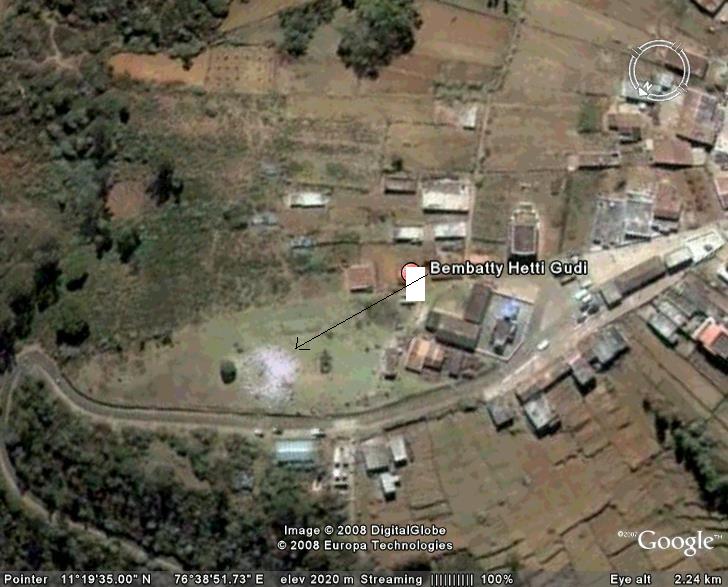
It’s everyone’s pleasure to write about their hatty. And first, I like to show you a miracle. Hope you have heard about Bembatty village (my Iyyana hatty) and there they celebrate Hettai habba during January of every year. Here with I have attached a pic from google earth of Bembatty village(2008). What the miracle I’m talking about is that the Google satellite has captured the earth on the day of Bembatty Hettai habba. I was really amazed to see this for the first time a year back and I shared with all around me. Now it’s time to share with everybody with your website. I made a arrow mark against the people sitting in white dress surrounding the Temple’s tree.

Incidentally, this year (Beraganni/Peduva) Hethai Habba will be celebrated on the 4th Jan, 2010

Badaga Origin – New Facts

Badaga Origin

Is Badaga one of the ancient Dravidian languages and predated ‘halaya’ Kannada? Is it a separate language all by itself? By inference, are Badagas one of the oldest ‘tribes’?

Arunan from Cannada has given some very interesting links which suggest Badaga language existed with old Kannada and equates it with Sangam or purana Tamil period.

“…..Some of the Kanarese too seem to have been called Vadugar. In consequence of the Andhras and the Kanarese having been called by the common name of Vadugar in the days of the Sangam, it has been surmised that they were then one race and that their language too must have been known as Vadugu and that it is only later that Kanarese must have branched off into a separate language. But llam-Ko-Adigal, the great epic-poet of the Sangam age, mentions distinctly those who speak the Kanarese language as Karunadar, and other classical writers make mention separately of the lands where Kanarese and Telugu were respectively spoken. The northern portion of the Mysore state and parts of the districts of Bellary and Anantapur seem to be known even now as Badaga-nadu and the Kanarese of those areas are known as Badaga-varu and Badaga-natti-varu. A poem of the Sangam mentions an Erumai as a ‘Vadugar chief’ in whose land flowed the river Ayiri. This is evidently the Agiri which falls into the Tungabhadra. It is this country which was probably the extreme southern limit of the Asokan empire as is evidenced from inscriptions found in the vicinity.
Read more about Badaga Origin

Badaga Origin Arunan from Cannada has gi…

Badaga Origin

Arunan from Cannada has given some very interesting links which predated badaga language to Kannada and equates it with Sangam or purana Tamil. Here is the link http://yabaluri.org/TRIVENI/CDWEB/TheTamilsandtheAndhras.htm
” Some of the Kanarese too seem to have been called Vadugar.7 In consequence of the Andhras and the Kanarese having been called by the common name of Vadugar in the days of the Sangam, it has been surmised that they were then one race and that their language too must have been known as Vadugu and that it is only later that Kanarese must have branched off into a separate language.8 But llam-Ko-Adigal, the great epic-poet of the Sangam age, mentions distinctly those who speak the Kanarese language as Karunadar,9 and other classical writers make mention separately of the lands where Kanarese and Telugu were respectively spoken.10 The northern portion of the Mysore state and parts of the districts of Bellary and Anantapur seem to be known even now as Badaga-nadu and the Kanarese of those areas are known as Badaga-varu and Badaga-natti-varu. A poem of the Sangam mentions an Erumai as a ‘Vadugar chief’ in whose land flowed the river Ayiri.11 This is evidently the Agiri which falls into the Tungabhadra. It is this country which was probably the extreme southern limit of the Asokan empire as is evidenced from inscriptions found in the vicinity.

If these be so, it follows that the Telugus who were to the north, and the Badaga Kannadas who were to the west, of the Tamils were known generically as the Vadugar. The poet, Ma-mulanar, says that it is beyond the lands of a chief of the name of Katti that the language changed into that of the Vadugar.12 Perhaps the chiefs well-known as Katti-Mudaliyars in the days of the Vijayanagar empire and later belonged to the lineage of this Katti.13 It is worthy of note that these Katti-Mudaliyars occupied those portions of the Tamil country which Ma-mulanar assigned to Katti. There are reasons to hold that the land called Vadugar-munai and placed beyond the lands of this Katti is identical with the Badaga-nadu we have already mentioned.14 It is these Badagas that seem to be referred to by St. Sundara in one of his psalms on a shrine in the Kongu country.15

Badaga Language in WiKi

A laudable and great initiative that needs our attention

BADAGA in WIKI

Arunan, a Srilankan Tamil now in Canada, writes  to say “Why not start a wiki project in Badaga language”. Its absolutely free and I see most Badugas are very good in Computer and Internets… So please let us start a wiki project in Badaga language and start writing articles in Badaga language……

(20 Nov 2009) Great News

Badaga language is  eligible language by Wikipedia … http://meta.wikimedia.org/wiki/Requests_for_new_languages

JP adds : let us add our might for this Pioneering Project

~~~~~~~~~~~

The rains that never stopped

I was at Coonoor when it started. I thought it was one of those passing showers. But then, it never stopped…never…not even for a few minutes. It appeared as if the rain Goddess had lost some body very very close, and she never stopped pouring her heart out…for three consecutive days. The damage…well…when the Nature starts..nothing can stop it. It is her way of leveling things out. The following pictures should convey a tiny bit of the result of her fury….The fallen trees…blocked roads..trees on the rail track near Wellington Railway station…the washed away rail track just before Aravankadu Railway station…the roads between Ootupattarai and Hubbathai toatally blocked…..

The fallen trees11112009(002)11112009(003)11112009(005)11112009(009)11112009(013)

Photos by JP. Click on the pix for enlargement

“Eay, Ah How” – Badaga ‘Athikkodhu’

The beauty about Badaga community is not only the unique customs specific to the community but the steadfast belief with which atleast some of them are followed by Badagas with fervour. one of them is the loud chanting of ‘Athikkodhu – saaying of  EAY AH HOW – on certain but specific occasions.

Three occasions come to mind immediately,

1)During “hethay Habba’ – both when from every village the devotees go to Hethay temples at Beragani and Peddhuva as well as when the Hethay deity is taken to ‘Madi Halla -river’ for change into new dress once a year [and also whenever is a temple deity is taken on procession during habbas in hattis],

2)During weddings when the bride and groom are brought to the ‘Madhuvay Mane – wedding house,and the newly weds are taken to the temple and

3)On funerals when the widow is brought for ‘olay Kattodhu’ and the ‘akki eththuva ‘ procession starts from the ‘dhodda Mane’ to ‘saavu hanay ‘ where the corpse/body is kept before being taken for burial.

This loud ‘cry’ is made from the bottom of the stomach by a few leading the procession and repeated by the rest following them.

Listen to ‘Saavu Aathikkodhu’ recorded live in Ketchigatti here

Listen to ‘Maduvay Aathikkodhu’ recorded live in Thambatty here