Category Archives: badaga

Let us welcome ‘them’

Kavitha Dineshkumar [Chennai] writes :- “I love Badaga community but I’m not a Badaga. My ganda (husband) is a Badaga. I am very proud to join this community. I will do something good for our community. Be proud of Badagas”.

Kavitha, we welcome your sentiments and hope, you are accepted into Badaga community with all joy and happiness. Though, there is some resistance among a section of Badagas for marriages from outside the community, personally, I feel after marriage the girl, if willing, should be accepted into community without any reservation. When I say, [the girl] willing, I mean, the girl should be prepared to accept all  the customs and traditions of Badagas and be a good ‘sosay’ [daughter in law]. As mlle.Sumathi Halan mentioned somewhere else, ‘Let us accept that the society is changing and for us [Badagas] to progress, we have to be part of that change’  – Wg Cdr JP

Updates – 2

I know that a lot of posts need updating, or…. rather, more material and info need to be added.

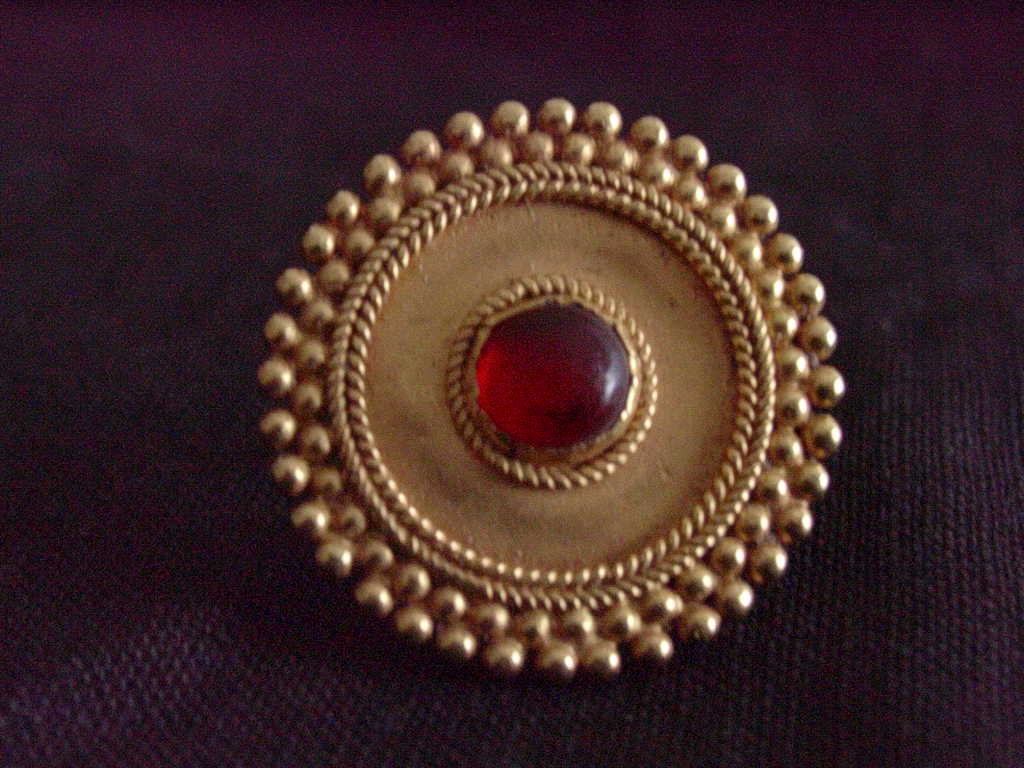
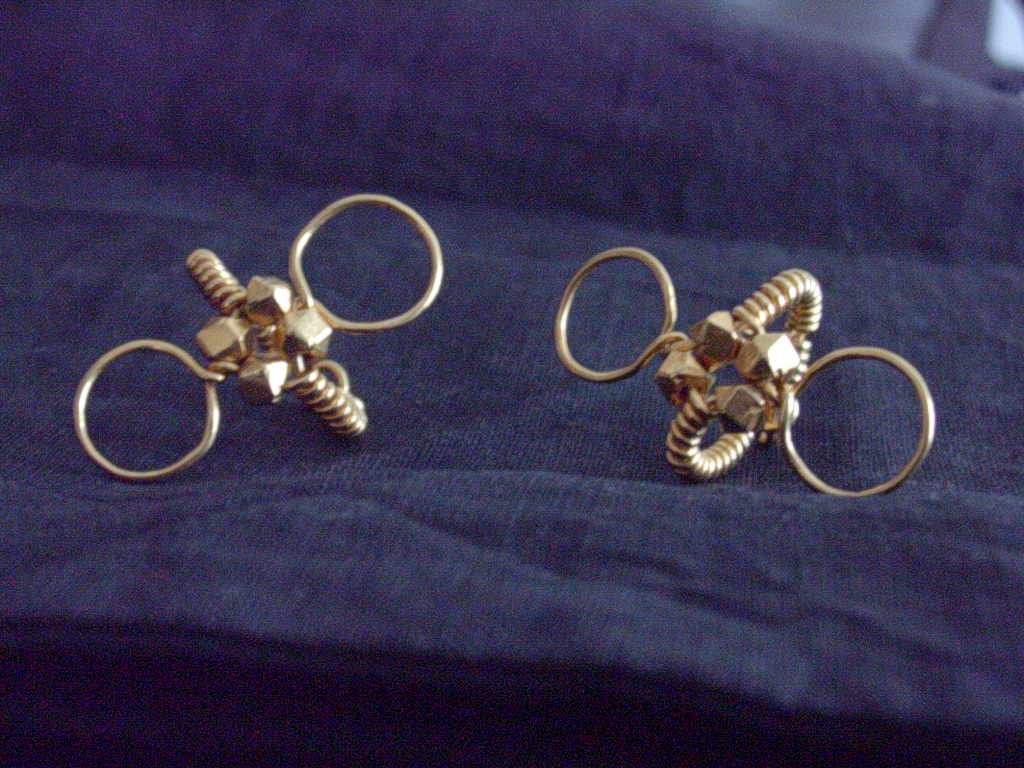
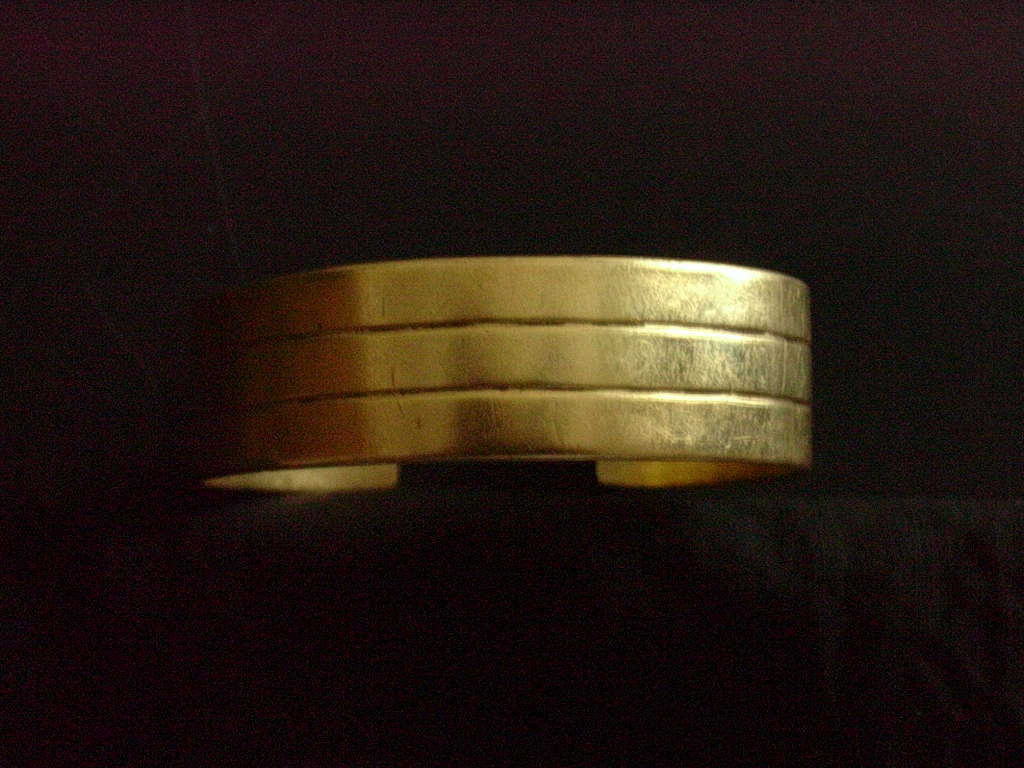
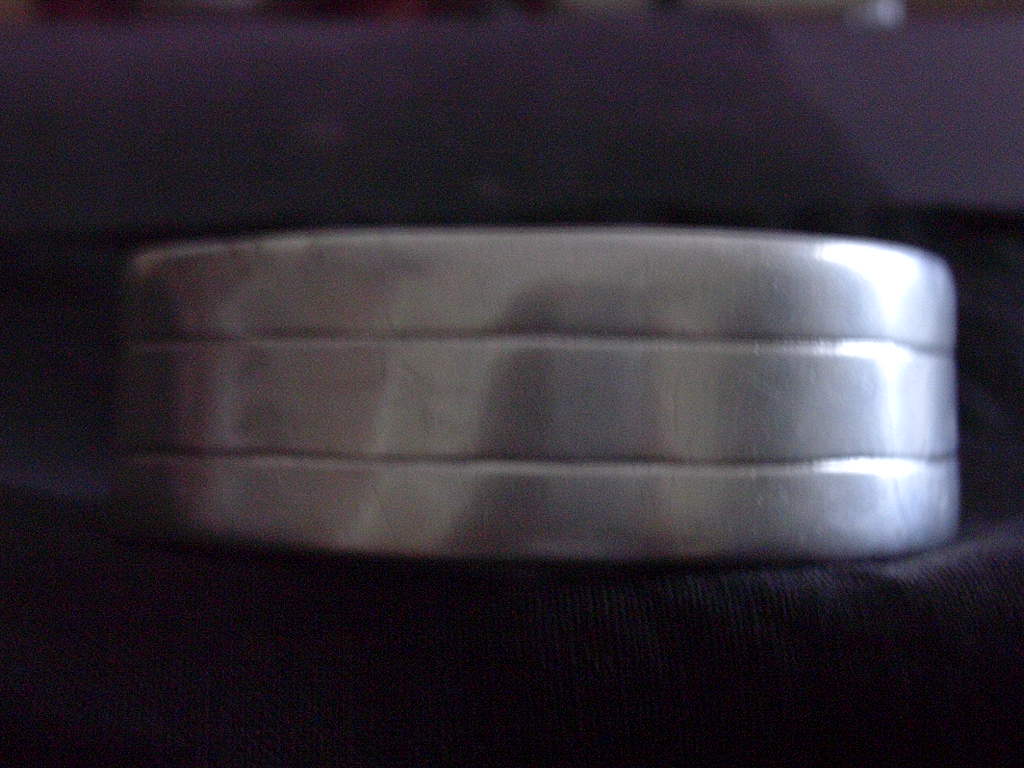
Here is more pictures of Badaga Jewellery from my wife’s collection who went hunting for original Badaga Bangara in Ooty and Kotagiri recently.

The surprise is that you can get Badaga Jewellery with some exclusive designers in Bangalore, also [made to order].

This slideshow requires JavaScript.

Kivi Chinna -Ear Ring worn by men
Mookkuthi
Mookkuthi – Nose Ring
Chinna -ear rings
Kadaga -Bangle
Designs on the Bangles

Bae – Silver

Crossed the 100,000 visitors mark on 8-3-2010

A hundred thousand thanks !
Any event in our life is generally valued in terms of numbers. First birthday, tenth year, Silver (25) / golden (50) / platinum (75) Jubilees, a century in cricket, thousand pillars in a temple, Lachathipathi (a lac) etc etc.
Similarly, to a website, the importance or rather the encouragement is in terms of the number of visitors to that site. In that sense, the number, a hundred thousand, 100,000 is very significant. To achieve that land mark for a website that focuses on a small tribal community with great traditions, confined within the four geographical boundaries called ‘Seemay/ Naadu’ in the beautiful blue mountains [the Nilgiris], also known as  ‘four’ mountains [Naakku Betta] in Badaga, is a matter of great pride and honour.
A few years back, when you were craving for a website on or about Badaga, the only one was USA based Rabin’s http://www.badaga.com . The website made me wonder why not start a website or rather a blog on, of and about the Badagas of the Blue Mountains. To give more info on Badaga, the language and people.
What started as a hobby and urge to give accurate, authentic and unknown information as a ‘pay back’ to the community I belong to and be proud of, has grown into an ambition and obsession. The more I dig into our history, origin, customs, culture, language and traditions the more is the motivation and the determination to give gleamed information to the youth of the community in particular and to the public in general.
Needless to say the journey is one heck of an unknown but highly interesting and satisfying one. The motivation and encouragement comes from the constant stream of comments that I receive every day.
More than anything else, the ‘nasha’ comes when I look at the number of visitors. More than a hundred visitors for so many days, months and years! Simply AMAZING !! There must be something right and interesting in what appears in my website www.badaga.in or rather, my weblog www.badaga.wordpress.com if I can boast of a hundred thousand visitors, nay honourable guests and friends so far. Special thanks to badaga.com for being the original trigger of the ambition that has been largely fulfilled.
All I can say, with hands folded and head bowed, THANK YOU ALL from the bottom of my heart.
Wing Commander Bellie Jayaprakash
~~~~~~~~~~~~~

‘Cricket’ played by the ancient Badagas?

These are the cricket crazy days. Life comes to a standstill when a ‘live’ match comes on the TV, that too when a twenty 20 match involving India is played everything else is forgotten.
But do you know that ancient Badagas played this game in a slightly different format called ‘Sendu Hoovadhu [Hitting the ball]’?
One of the important festivals in olden days was “Dodda Habba [Big Festival]” which was celebrated as a homage to and in remembrance of the ancestors. An important item of the festival was ‘Sendu Hoovadhu’ or hitting the ball. A ball made out of old cloth or the hay/husk is tossed up and hit by a ‘flatish’ stick by a ‘batter’ towards the ‘fielders’ a little distance away. If the ball is caught, he is ‘out’ and the ‘catcher’ gets to ‘bat’. Something akin to the ‘catching practice’ of these days.
Before the ball is hit, the ‘batter’ asks the filders ‘Haakkaakka [shall I hit?]’ and the fielders reply in unison ‘Haakku [hit]’. The honour of starting the game as the ‘opening batsman’ goes to the Poojari [priest] of the village temple followed by the Gowda [headman] and an elder.[info from Sivaji Raman’s ‘Badaga Samudhayam‘]
Kerban Bella Gowder has immortalised this ‘game’ in one of the songs of Berada Bellie ballad as ” Appa hoodha sendu, endu halla maduna buddhu hadadhay [the ball hit by father has fallen on the bank of the river]”
######################
By the way, a visitor Martin Parker (mlp9870817@yahoo.com), from the USA, writes : –
I was wondering someone might be able to tell me how one would say “I love you” in Badaga
.
I am clean bowled. That is an interesting question. The exact translation for ‘love’ is a little tricky, it could be ‘gava’ [ more of a context for loving the children, elders , relatives etc. ‘priya’ is more for liking than I suppose for loving.
If you have to tell your lover, it could be, in my opinion, ‘Na ninna Virumbinay – I like you ‘, ‘Nee enaga hidithra – you are liked by me’.
Closest could be, ‘Naa ninna PRIYA maadinay‘ [Naa – I, Ninna – You, Priya – love, Maadinay – doing] – Wg Cdr JP
Martin Parker replies :-
Thank you very much for your reply.
I am from the United States, but I have long been fascinated by how many different languages there are around the world, and I enjoy collecting phrases and trying to understand how different languages are put together, so your explanations were very interesting. Thanks again…Martin

Updates..3

Badaga Community

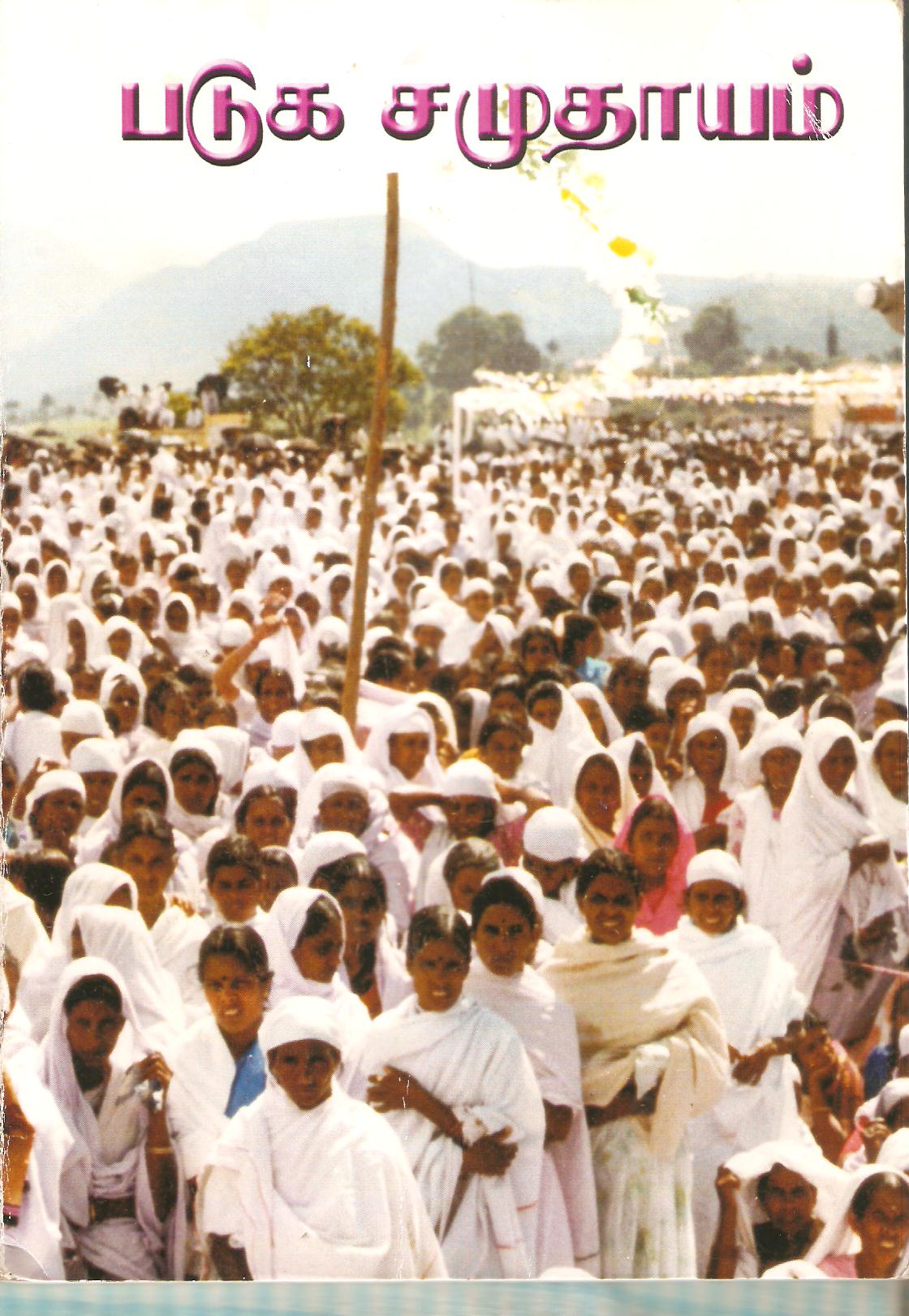
I had mentioned about Jakkanare Sivaji Raman’s book on Badaga Community called ‘Badaga Samudhaayam’.Sivaji Raman No price is mentioned for this book but you may get it in Kotagiri.
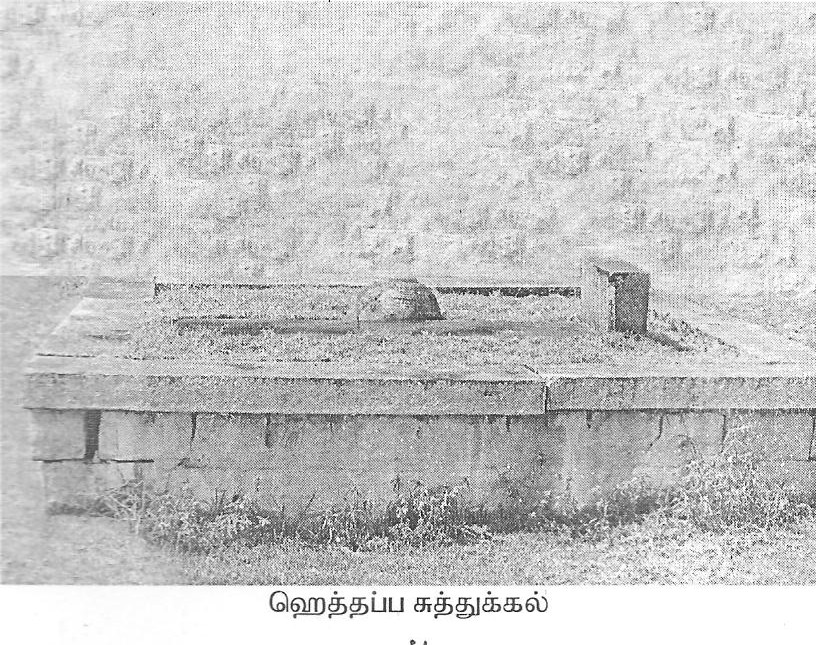
There are a lot of interesting nuggets of new information that many of us are not even aware of. Here is a sample of ‘rare’ pictorial pickings. [All the pictures are from the book]
When a village was [hatti] was formed, a ‘Hethappa [Ancestor] Kallu [Stone]’ was created and then a ‘Devva Mane [God’s House – Temple]’ was built.

‘Hebbaiyilu’ [First /Big Threshold]’ is the entrance to a village [Akka Bakka?]. It consists of two vertical stone pillars with a central horizontal stone containing carvings.

Hebbaiyilu

Hethappa Suththukal

Devva Mane

Dr.Sundaradevan, the First Badaga IAS officer writes….

Dr. Sundaradevan Nanjiah  IAS

I am a regular visitor to your website for more than a year now.  Please accept my congratulations for a splendid job.  I can appreciate the enormous efforts put in by you single-handedly in gathering so much information and in creating such an interesting website.

I have quite a few materials myself, mostly written during the British era, on the Nilgiris and its inhabitants,  from google books and openlibrary.org….. (…keep in mind that Nilgiris was variously spelt as Neilgherries, Neelagiri and Neilgherry Hills during those times).

Regarding Civil Services Coaching, I have made an offer to the Badaga Associations at Chennai, Coimbatore, Ooty and Bangalore and it is the Coimbatore Association which has taken the lead.  I hope others will follow suit.
I will only be too willing to visit all these places and guide our youngsters to the best of my ability, if only a few of them come forward to take the Civil Services Exams seriously, which I am sure is well within the reach of many of them.Yours sincerely,
Sundaradevan Nanjiah+++++++++++++++

Let us seek the blessings of Elders ‘Doddavakka…

Let us seek the blessings of Elders, ‘Doddavakka Harichili’

One of the wonderful and deeply meaning ful customs of Badagas, is the seeking of the blessings of elders. That is, whenever any person meets/visits an elder, he or she seeks the blessings of the elderly person [elderly does not mean aged/old but only elder by age] by bowing the head and requesting “Harachu (bless me)”. If any headgear like cap/turban is worn, the same is removed. Also, on social occasions, like when the’earmarked’/ selected devotees proceed towards the Hethay mane or at certain festivals the village elders bless the others who prostrate in front of them. Similarly, when the newly weds seek the blessings – ‘adda bubbadhu’, these blessings are given, though at times it is a shorter version that is used.badaga-blessing1

ondhu, ompaththu aagali,
[ondhu – one, ombaththu – nine, aagali – happen]
ondhu, saavira aagali,
[saavira – thousand]

harachchava kodali, sogava kodali,
[haracha – health, soga – happiness, kodali – given]
baNda hechchali, badhukku hechchali,
[banda – cattle, badhakku – wealth/prosperity, hechchali – increase]
bE hechchali, haalu hechchali, haNNu hechchali,
[bay/be – crops, haalu – milk, hannu – fruits)

manE katti, maaru kattili,
[mane – house, katti – build, maaru – marriage]
ondhu manE, saavira manE aagali,
[ondhu – one, mane – house, saavira – thousand]

beNNE bettu aagali, thuppa theppa aagali,
[benne – butter, betta – mountain, thuppa – ghei, theppa – well]
hulla muttilE hoo aagali, kalla muttilE kaai aagali,
[hullu – grass, hoo – flower, kallu – stone, kaai – (unripened) fruit]
honna muttilE sinna aagali,
[honnu – iron, sinna – gold]

bettadhudhu bandhalEyu, beraluga adangali,
[bettadhadhu – (like a big) mountain/lots, beralu – small finger]
attudhadhu bandhalEyu, aangai adangali,
[attudhadhu – (lile a deep) valley, aangai – palm/fist]

Kattidhadhu karEyali, biththidhadhu bEyali,
[Kattidhadhu – tied (cow), karyali – yield (milk)
aanaiya balava kodali, ariyaa siriyaa  kodali,
[aanai – elephant, bala – strengh, kodali – given, ariya – a lot, siri – happiness]
budhdhi bevarava kodali,
[budhdhi – intelligence, bevara – wisdom]

uri hOgi, siri barali, siri sippaaththi agali,
[uri -envy, hogi -(be) gone, siri – happiness, sippaththi – plenty]
HOppa edE, bappa edE ellaa, oLLiththE barali,
[Hoppa -going/ travel, ede – place, bappa – coming, ella – all, olliththe – only good things]

nooru thumbi, naadu jaradhu, dheera pooraNa aagi,
[nooru – hundred, thumbi – filled, naadu – nation, jaradu – envious, dheera – wise, poorna – full]
OLLiththa Eththi, Hollava ThaLLi, olagodho ellaava Gedhdhu,
[olliththa – good deeds, eththi – taken, holla – bad, thalli – reject, olaga – world, ellava – complete, gedhdhu – win]

sangatta salippu illaadhe,
[Sngatta – illness, salippu – problems/hinderance]
hoppa dhaari, Bappa Dhaari yo, edinjilu iLLaadhe,
[dhaari – path, edinjilu – blockades]
padippEri mundhuga hesareththi,
[paddippu – education, mundhuga – forward, hesaretthi – name and fame]

kumbE kudi haradha engE, angaalu muLLu muriyaadhE,
[Kumba kudi – pumpkin, haradhu – spread, aangaalu – foot/sole, mullu – thorn]
kO endhu korachchi, bO endhu bokki,
[korachi – calling, bokki – overflow]
ManE thumba makka hutti, gOttu thumba sosE kondu,
[ mane – house, makka – children, hutti – born, gottu – corner, sose – daughters in law]

paava pariya nOdi, olagadha hesaru eththi
[paava – dear, paria – near ones, nodi – look after, olagadha -whole world, hesaru – name and fame, eththi – get]
badhukki baa[Badhukki – prosperity].

Go to next page for English Translation

‘Badaga Community’- படுக சமுதாயம் by Sivaji Raman

During the present visit to the Nilgiris (Jan,2010) I came across another book on Badaga by Jakkanaarai SIVAJI RAMAN. The book is in Tamil and titled ‘படுக சமுதாயம் [Badaga Samudhayam]’ – Badaga Community. It appears to be a private publication with a forward by Rev.Malli (Originally of Kerbetta Village).

One of the most interesting information Sivaji Raman conveys in his book is that Badaga language finds extensive mention in old – purana – Tamil literature like  ” Tholkaeppiam” where it is  clearly mentioned that Badaga was a separate language spoken in a northernnation to Tamil nadu called ‘VADAGAM [Badaga]’, the other ‘countries’ being Karnadagam [Kannada], Konganam [Konkani], Kudagam [Coorgi], Thuluvam [Thulu], Telingam [Telugu] and  Kalingam [Oriya]. He goes on to quote a few verses where ‘vadaga’ is mentioned. He is of the opinion that Badaga can be traced back to 2300 years.
Sivaji Raman laments :
படுக மொழி தற்பொழுது படிப்பு, தொழில் ஆகியவற்றில் தமிழ் மற்றும் ஆங்கில்லத்தின் தாக்கம் காரணமாக மிகவும் மாறுபட்டு பேசப்படுகிறது. தூய படுகு தெரிந்தவர்களே இல்லை என்றாகிவிட்டது. இது படுக மொழியில் சொல் பஞ்ச்சத்தால் ஏற்பட்டதன்று. படுக மொழியின் ஏராளமான சொற்கள் மறக்கப்பட்டு மறைந்து விட்டன. இதற்கு காரணம் படுகு மொழிக்கு வரிவடிவம் இல்லாததேயாகும் (Badaga is spoken very differently due to the influence  by Tamil and English on education and profession. It appears that there are none who know ‘PURE’ Badaga. This is not due to lack of words in Badaga. Lot of Badaga words have been forgotten [due to the influence of Tamil and English] and hence become extinct. The reason for this is that BADAGA language DOES NOT HAVE A SCRIPT).

I totally agree with him.

There is a lot of information on Badaga Habbas like ‘Dhodda Habba, Biththu Ikkuva Habba, Uppu Attuva Habba, Sakkalaaththi’ etc apart from a variety of topics on and of Badaga.

Another laudable effort by a Badaga on Badaga. Very interesting book. Hope to write more on this book soon.

Badaga months


Badaga Months

1) Koodalu, 2) Aalaani 3) Nallaani  4) Aani 5) Aadire  6) Aadi 7) Aavaani  8 ) Perattaadhi 9) Dhodda Devige 10) Kiru Devige 11) Thai 12) Hemmatti

The more I listen to the song ‘Kappu Uttileyu‘, the more fascinated I become. All the 12 Badaga months starting with Koodalu [given in Capital Letters] are beautifully integrated within the song.

The lyrics of the song go like this :-

Kappu huttileyu neppuna sundari,
Oppi hegileyu dhirachiya mundari
Kappu huttile naa hathuna notta dha,
Keppu na huttile ondhuna notta tha

Thatti beetha sileyu nee edhega,
Kottu beetha hennu naa edhaga
Muthu muthu mookathiga sokki hodhane, netti niddane
Sothu pathu neetha endhu kaathundhu endhe dha, matha hegu dha, madhuvaya matha hegudha,

KOODALU thinguvana koodile singarene ,
AALAANI thinguvatha aa aagi varasha mamma ,
NALLANI go kollaandhu hega beda, ,
AANI huttidha mele badhila hegine baa mamma ,

AADHIRE jena nodi bae thumbi maathaadu ,
AADI mudidha mele ododi bannane mamma,
AAVANI thinguvadhoge dhaavani singarava ,
Arattu perattu aara PERATTASI thinguvadha,

DODDA DIVIGEYA dodda kiru edhega ,
KIRU DIVIGEYA siri devi aagi banne ,
THAI mae thalaiga thatti kai yoda aatta paatta.
HEMMATTI ebbaneyu aemaathithindhu hoga beda ,

Thatti beetha sileyu nee edhaga ,
Kottu beetha hennu naa edhega

கப்பு ஹுட்டிலெயு நெப்புன சுந்தரி,
ஓப்பி ஹெகிலெயு திரசிய முந்தரி
கப்பு ஹுட்டிலே நா ஹத்துன நோட்ட த,
கெப்பு ந ஹுட்டிலே ஒந்துன நோட்ட த

தட்டி பீத்த செலெயு நீ எதெக,
கொட்டு பீத்த ஹெண்ணு நா எதக
முத்து முத்து மூக்கத்திக சொக்கி ஹொதனே, நெட்டி நித்தனெ
ஸொத்து பத்து நீத்த எந்து காத்துண்டு இந்தெ த, மாத்த ஹேகு த, மதுவய மத்த ஹேகு த,

கூடலு திங்குவன கூடிலே சிங்காரெனெ ,
ஆலாணி திங்குவத ஆ ஆகி வரஷ மம்ம ,
நல்லானி கொ கொள்ளாந்து ஹேக பேட, ,
ஆணீ ஹுட்டித மேலே பதில ஹெகினே பா மம்ம ,

ஆதிரே ஜென நோடி பே தும்பி மாத்தாடு ,
ஆடி முடித மேலே ஓடோடி பன்னனே மம்ம,
ஆவாணி திங்குவதொகே தாவணி சிங்கரவ ,
அரட்டு பெரட்டு ஆர பெரட்டாதி திங்குவத,

தொட்ட தீவிகியொ தொட்ட கிரு எதெக ,
கிரு தீவிகியொ சிரி தேவி ஆகி பன்னே ,
தை மே தலைக தட்டி கை யோட ஆட்ட பாட்ட.
எம்மாட்டி எப்பனேயு ஏமாத்திண்டு ஹோக பேட ,

தட்டி பீத்த சிலெயு நீ எதக ,
கொட்டு பீத்த ஹெண்ணு  நா எதெக

Go here  and scroll down on the side bar ->to listen to the song

Badaga Script

It has always been felt that for a language to survive, it should have its own script. It cannot remain only as a spoken language for long. But of course, the script need not be peculiar and specific one pertaining to that particular language.

So too is the necessity of a script for Badaga. Many have attempted to achieve this objective with various degrees of success. But unfortunately, to my knowledge, no records exists, if any. I am no expert on phonetics or languages or much less innovating an unique script. But the urge to have a separate script has convinced me that it is very much possible to ‘ADOPT’ an existing script and ‘ADAPT’ it to Badaga language.

To know more about the BADAGA SCRIPT or rather the need for one go here